Spanish Rice Guide: Types of Rice Used in Spanish Cooking (and What is Bomba Rice?)
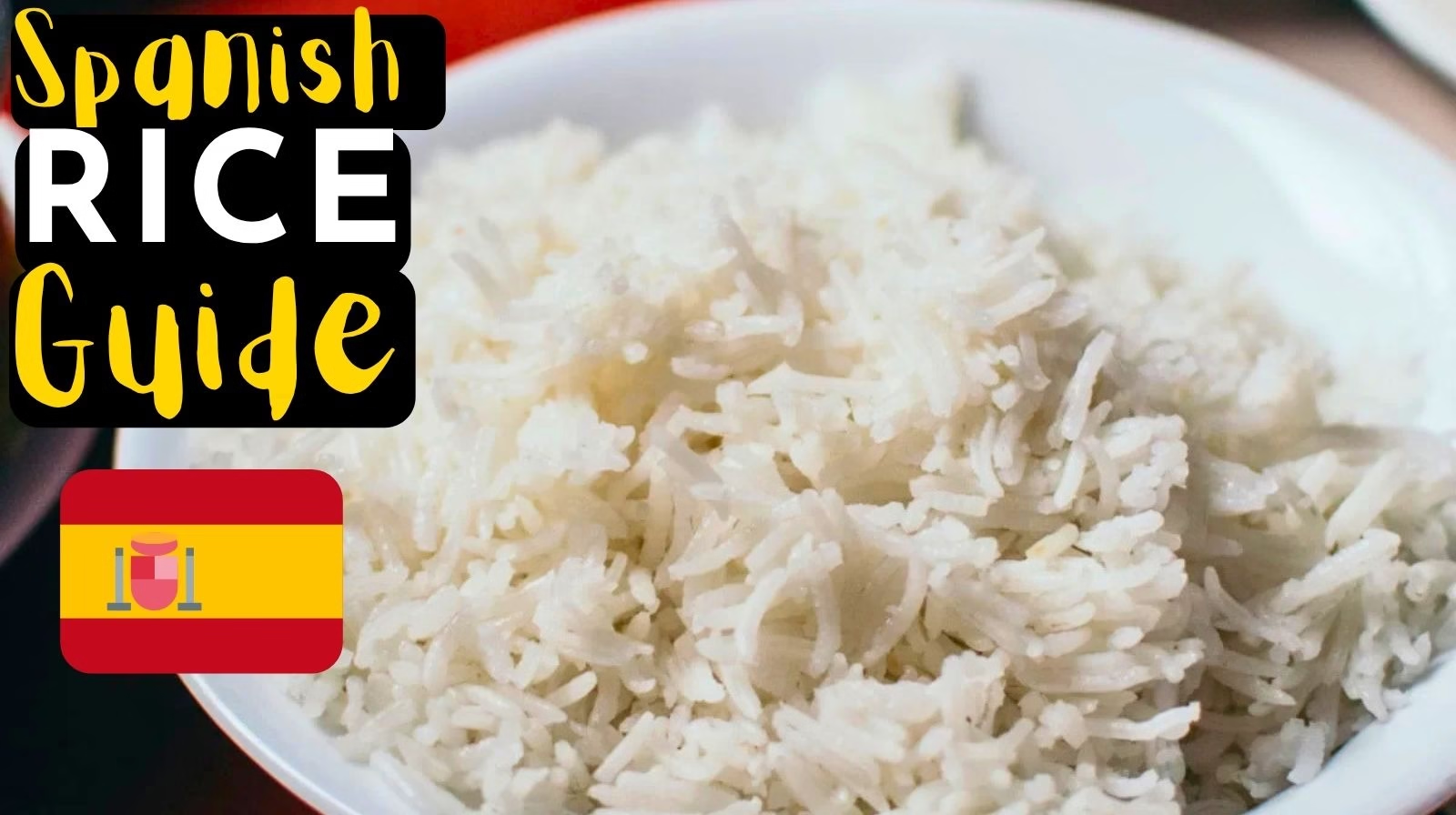
Spain is a rice-loving nation—but choosing the right rice for paella and Spanish cooking can be the difference between a good dish and an unforgettable one.
From the iconic paella of Valencia to rich, brothy arroz dishes, each recipe relies on specific Spanish rice varieties designed to absorb flavour while holding their texture.
In this guide, we’ll break down the main types of Spanish rice, how they’re used, and why Bomba rice is considered the gold standard for many dishes. We’ll also cover what rice is used in paella—and why it matters for perfect results!
Great Spanish rice dishes start with the right rice, so let’s explore the most important Spanish rice varieties.
Quick Tips for Cooking Paella
What is the Best Rice for Paella?
Bomba rice is widely considered the best rice for paella thanks to its ability to absorb up to three times its volume in liquid while remaining firm and separate.
Other good options include Calasparra and Senia rice, though they require slightly more attention when cooking.
⚠️ Common Mistakes When Cooking Paella
- Stirring the rice (don’t do it!)
- Using long-grain rice
- Adding too much liquid
- Skipping the resting stage
Types of Spanish Rice
In Spain, rice cultivation is concentrated in regions like Valencia and Murcia, where climate and irrigation create ideal growing conditions.
1. Bomba Rice (The King of Paella)
What is Bomba Rice?
Bomba rice is a premium short-grain rice grown primarily in eastern Spain, particularly around Valencia and the wetlands of Calasparra.
What makes Bomba rice special is its exceptional absorption capacity. It can absorb up to 3 times its volume in liquid while still maintaining its shape and texture.
Unlike other rice varieties, Bomba expands in width rather than length, which helps the grains stay separate instead of becoming sticky.
If you want to see Bomba rice in action, try our 👉 Paella & Spanish Rice Recipes Collection where you’ll find authentic, easy-to-follow dishes.
Why is Bomba Rice so good for paella?
- Absorbs more flavor from stock and saffron
- Remains firm and separate (never mushy)
- Forgiving to cook (less risk of overcooking)
- Ideal for achieving the perfect socarrat
Key characteristics:
- Short-grain
- Pearly white appearance
- High absorption (up to 3x liquid)
- Non-sticky texture
👉 If you’re serious about making authentic paella, Bomba rice is the best choice.

2. Calasparra Rice (D.O. Protected)
Calasparra rice is grown in Murcia and holds Denominación de Origen (D.O.) status, meaning it’s protected for quality and origin.
It behaves similarly to Bomba but is slightly less expensive while still forgiving to cook with.
Best for:
- Paella
- Arroz al horno
- Rice stews
3. Senia Rice (Creamy & Absorbent)
Senia rice is widely used in Valencia and is known for its high starch content, which gives dishes a creamier texture.
It absorbs flavour well but requires more attention while cooking.
Best for:
- Creamier rice dishes
- Seafood arroz
- Arroz meloso (slightly soupy rice dishes)
4. Bahia Rice (Everyday Spanish Rice)
Bahia rice is often blended with Senia and is one of the most commonly used everyday rice varieties in Spain.
It’s affordable and widely available but slightly less refined than Bomba.
Best for:
- Everyday paella
- Home cooking
- Budget-friendly recipes
5. Long-Grain Rice (Less Traditional)
While long-grain rice (like basmati) is used globally, it’s not traditional in Spanish cooking.
It doesn’t absorb flavour in the same way and won’t give you authentic results for paella.
Best avoided for:
- Traditional Spanish rice dishes

What Rice is Used in Paella?
Traditional paella is made with short-grain Spanish rice, specifically varieties like Bomba, Calasparra, or Senia.
These rice types are essential because they:
- Absorb large amounts of liquid
- Hold their shape during cooking
- Create the perfect balance between tenderness and bite
Using long-grain rice (like basmati) will not produce authentic results, as it doesn’t absorb flavour in the same way.
👉 For best results, always choose a short-grain Spanish rice designed for paella.
🥘 Why Rice Choice Matters in Spanish Cooking
Spanish rice dishes rely on absorption, not stirring (unlike risotto). That means:
- The rice must soak up stock without breaking
- Grains should stay separate
- Texture is everything
Using the wrong rice can result in:
- Mushy or sticky paella
- Uneven cooking
- Lack of flavor absorption
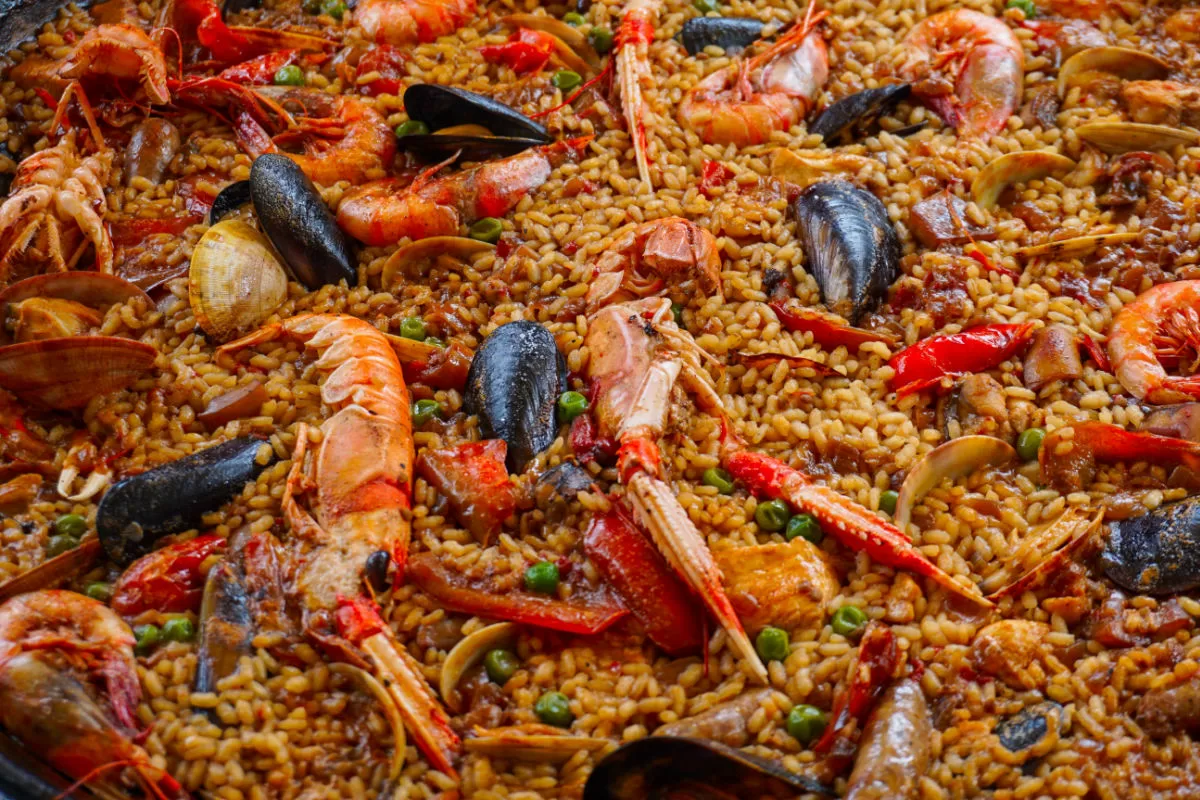
Choosing the right rice is essential for dishes like 👉Spanish Seafood Paella – Paella de Marisco, where texture and flavor absorption are everything.
Bomba Rice vs Other Rice (Quick Comparison)
Here’s a quick comparison of the most popular Spanish rice varieties and how they perform in cooking:
| Feature | Bomba Rice | Calasparra | Senia | Bahia |
| Absorption | ⭐⭐⭐⭐⭐ | ⭐⭐⭐⭐ | ⭐⭐⭐⭐ | ⭐⭐⭐ |
| Texture | Firm | Firm | Creamy | Soft |
| Difficulty | Easy | Easy | Medium | Easy |
| Price | High | Medium | Low | Low |
| Best Use | Paella | Paella | Creamy rice | Everyday dishes |
Quick Summary:
Best rice for paella is Bomba rice or Calasparra rice.
Where to Buy Spanish Rice
Finding authentic Spanish rice is easier than ever, whether you’re in Spain or shopping internationally. Here are the best places to buy it:
🇪🇸In Spain (Best Option)
If you’re in Spain, you’ll find high-quality rice in most supermarkets like Mercadona, Carrefour, and El Corte Inglés. Look for clearly labelled varieties such as Bomba, Calasparra (D.O.), or Senia in the rice or international foods aisle.
🍚Local Markets & Specialty Shops
Traditional food markets and gourmet shops often stock premium-quality rice, especially D.O. protected varieties like Calasparra. These are great places to find artisanal or small-producer options with excellent flavour.
🌎 Online (Spain & International)
Spanish rice is widely available online through retailers like Amazon, as well as specialist Spanish food stores. This is often the easiest way to source Bomba rice if you’re outside Spain.
Links where to buy Spanish Rice:
- La Perla | Paella Rice
- Tartana Bomba Rice D.O.P.
- Matiz Valenciano Paella Rice from Spain
- Gourmanity Spanish Paella Rice, Rey del Arroz
- D.O.P. Calasparra Rice
What to Look For
When buying Spanish rice, check for:
- “Bomba” or “Calasparra” on the label
- D.O. (Denominación de Origen) certification for quality
- Short-grain rice (avoid long-grain varieties for paella)
👉 Pro tip: If you’re serious about paella, it’s worth spending a little more on authentic Spanish rice—the difference in texture and flavour is immediately noticeable.
Spanish Rice Recipes
Spanish cuisine is packed with incredible rice dishes, each showcasing how different rice varieties—especially short-grain types like Bomba—absorb flavour and create unique textures.
Here are some must-try Spanish rice recipes, all rooted in tradition and perfect for home cooks:
🦐 Seafood Paella (Paella de Marisco)
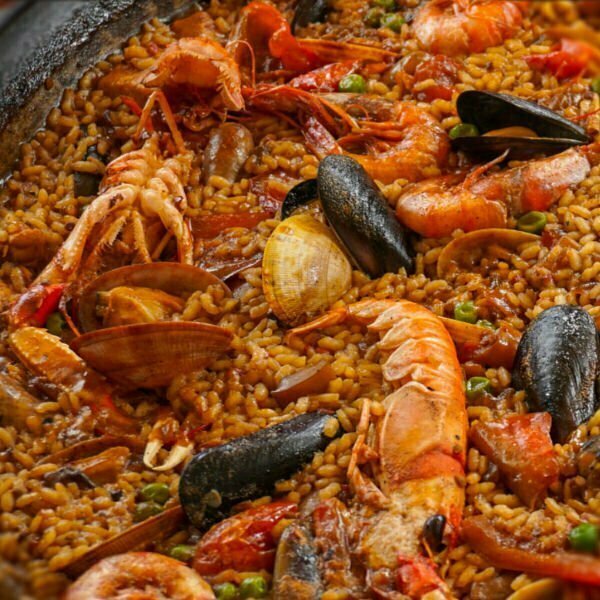
A coastal classic loaded with prawns, mussels, and squid, all cooked in a rich saffron-infused broth. This dish is all about bold Mediterranean flavours and perfectly cooked rice that soaks up every drop of seafood goodness.
👉 Try this authentic seafood paella recipe (Paella de Marisco)
🍗 Paella Valenciana
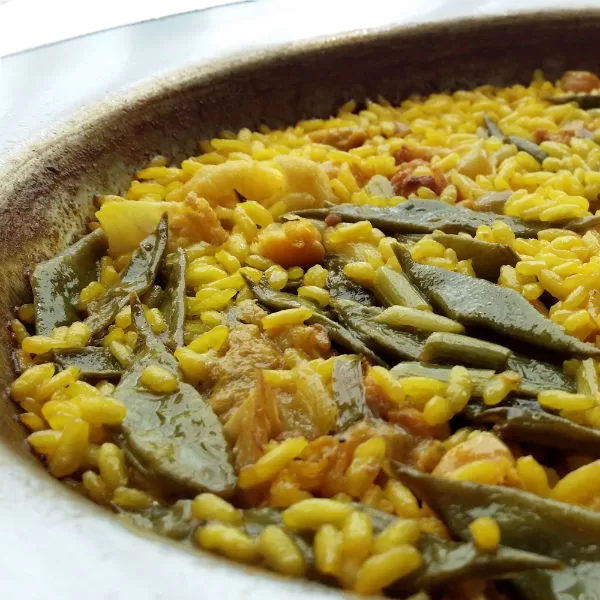
Paella Valenciana is the original and most traditional version of paella, hailing from the region of Valencia. Unlike seafood or mixed versions, this authentic recipe is made with chicken, rabbit, green beans, and large white beans (garrofón), all cooked with short-grain rice, saffron, and olive oil.
What sets Paella Valenciana apart is its simplicity and respect for tradition. The ingredients are humble, but when cooked correctly—ideally over an open flame—they create deeply rich, savoury flavours with perfectly cooked rice and that prized crispy base, socarrat.
👉 Traditional Paella Valenciana Recipe

🥘 Arroz al Horno (Oven-Baked Rice)
A hearty, oven-baked rice dish from Valencia made with pork, chickpeas, garlic, and warming spices. It’s rustic, comforting, and perfect for cooler months.
👉 Make this easy arroz al horno (oven-baked rice) recipe
Fideuà (Paella with Noodles)
Fideuà is one of Valencia’s most iconic dishes—and while it looks similar to paella, there’s one key difference: it’s made with noodles instead of rice.
Originating from the coastal town of Gandía, fideuà was created by fishermen as a variation of traditional rice dishes, using short, thin pasta (fideos) cooked in a rich seafood broth.
Think of it as paella’s closest cousin—just swapping rice for pasta.
👉 Here’s our Spanish Fideua with Seafood (Fideuà de Marisco Recipe)
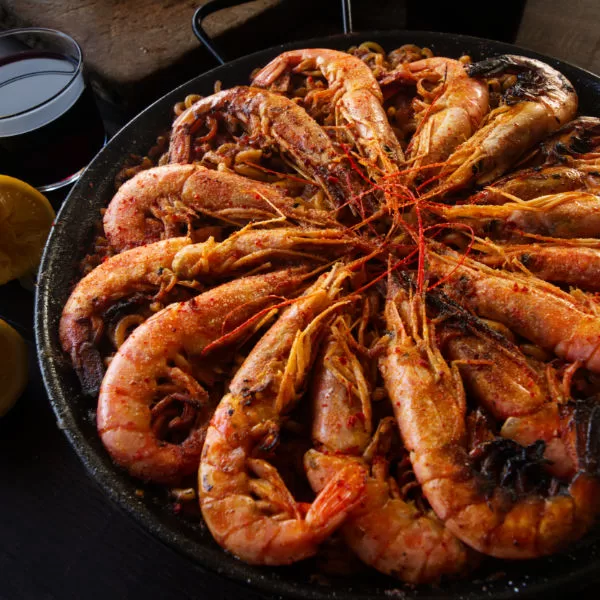

Fideua Negra With Seafood – (Fideuà Negra Con Mariscos)
Indulge in the captivating flavors of the Mediterranean with this exquisite rendition of Fideua Negra with seafood. Hailing from the Valencia region, Fideuà Negra (also known as Seafood Fideuà Negra or Black Squid Ink Fideuà) is a classic Spanish dish that combines seafood with thin pasta (similar to vermicelli) cooked in a squid ink-infused broth.
👉 Check out our Fideua Negra recipe here.
Arroz a Banda
Arroz a Banda originates from the Valencia region and is an iconic recipe built around two essential elements: 1) Seafood such as shrimp, white fish, and squid, and 2) Valencian Bomba rice cooked in a rich aromatic broth.
The authentic rice dish is appreciated for its rich seafood flavor, aromatic saffron-infused rice, and the contrast between the separate components that come together beautifully in each bite.
👉 Our Arroz a Banda recipe serves 6-8 and comes together in under an hour.

Orchard Paella – Paella Huertana
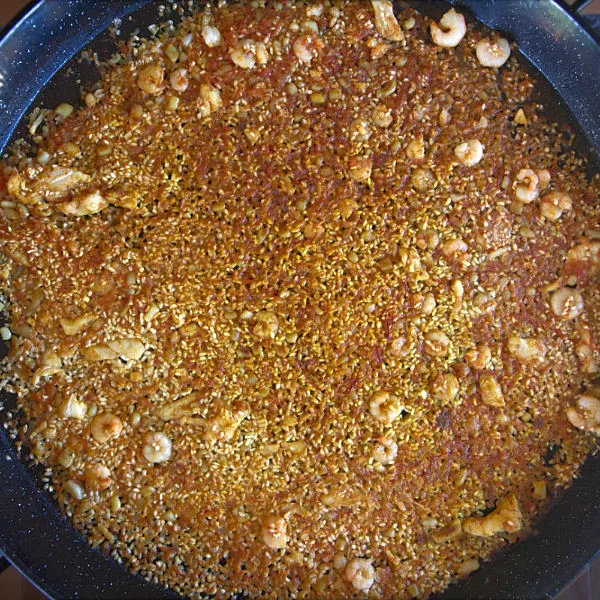
The orchard paella is known as the Paella huertana and ‘huertana’ literally translates to ‘Orchard’ or ‘vegetable garden’ in Spanish.
The Orchard Paella is something of a mystery for most visitors to Spain. Unlike the authentic paella recipes such as Paella Valenciana or the Paella Marisco, the Orchard Paella can be made with pretty much any locally grown vegetables, and occasionally uses local snails.
👉Check out our Orchard Paella Recipe here.
🥘 Why Fideuà and Arroz a Banda Matter
Both fideuà and arroz a banda show just how diverse Spanish “rice culture” really is:
- Fideuà → swaps rice for noodles but keeps the technique
- Arroz a banda → focuses on deep seafood flavour and simplicity
Together with paella, they form the backbone of Valencian Mediterranean cooking—where technique, stock, and the right base ingredient (rice or pasta) make all the difference.
Whether you’re cooking over an open flame or in your kitchen at home, these dishes highlight why choosing the right rice—like Bomba or Calasparra—makes all the difference.
FAQs About Spanish Rice
Is Bomba rice worth it?
Yes—if you want authentic paella with perfect texture and flavor absorption, Bomba rice is absolutely worth the investment.
Can I substitute Bomba rice?
Yes. Calasparra is the best substitute, followed by Senia or Bahia.
Why is my paella rice mushy?
This usually happens from:
- Using the wrong rice
- Adding too much liquid
- Stirring during cooking
What rice do Spanish people use at home?
Most home cooks use Senia or Bahia blends for everyday cooking, reserving Bomba for special occasions.
What is the difference between Bomba and Calasparra rice?
Bomba rice absorbs more liquid and is more forgiving to cook, while Calasparra rice offers similar flavor absorption but requires slightly more precise timing.
Final Thoughts
When it comes to Spanish cooking, rice isn’t just an ingredient—it’s the foundation of the dish.
Whether you’re making a traditional paella Valenciana, a rich arroz a banda, or experimenting with fideuà, choosing the right rice is essential for achieving authentic flavour and texture.
👉 If you’re aiming for the best results, Bomba rice remains the top choice—but mastering the technique is just as important as choosing the right rice.