
Classic Spanish Fabada with Chorizo and White Beans (with Homemade Iberico Pork Bone Broth)
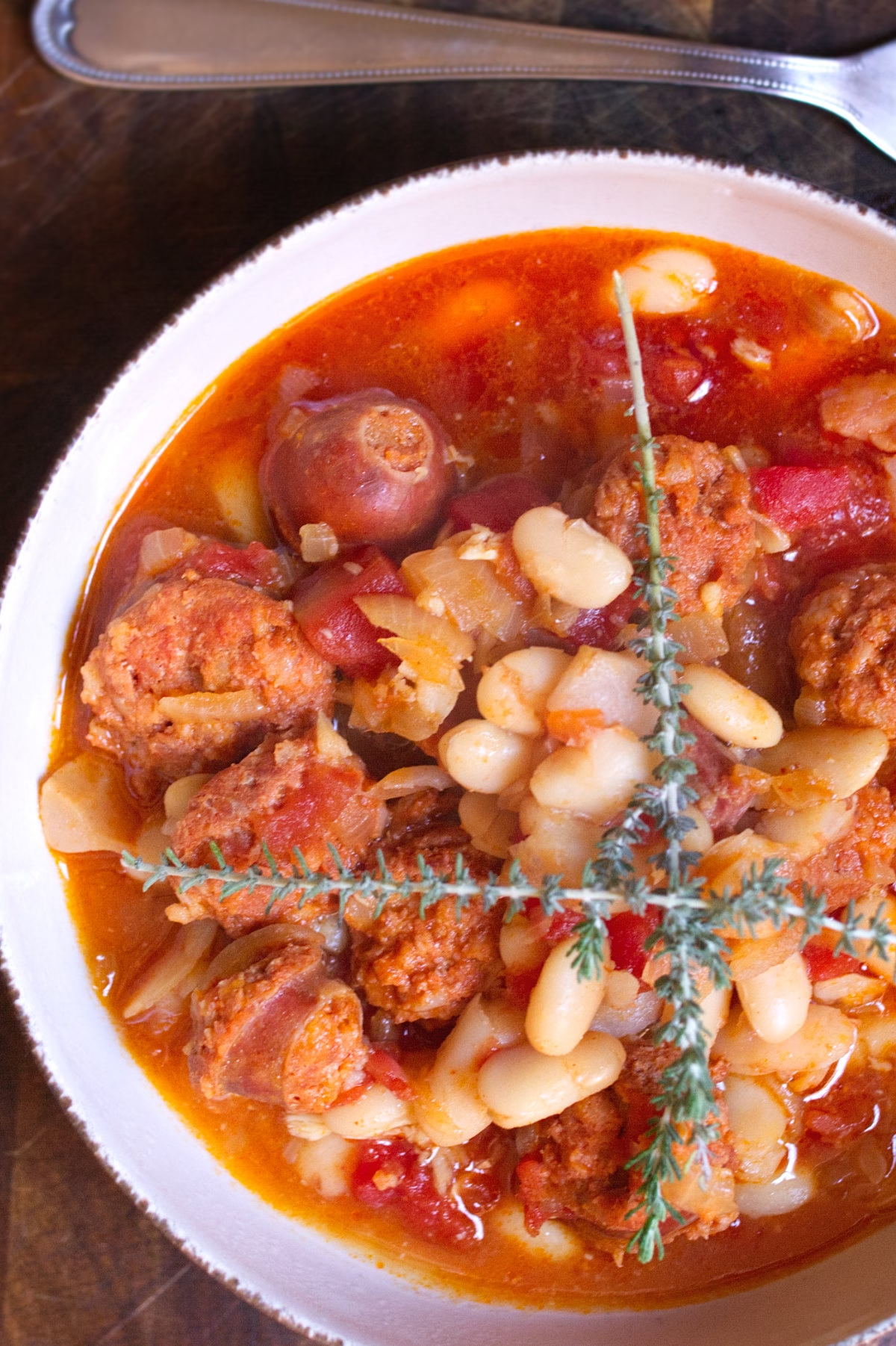
This classic Spanish Fabada is a rich, warming stew from Asturias, made even more special with a deeply flavorful homemade Iberico pork bone broth.
Tender white beans simmer gently with smoky chorizo, pancetta, and the natural sweetness of slow-cooked vegetables. The Iberico bone broth elevates the dish with an extra layer of richness and velvety texture that you simply can’t get from store-bought stock.
As it’s a fabada (stew), it’s best cooked when you have plenty of time and don’t need to rush. We suggest cooking the Iberico broth for at least 4-6 hours to help release maximum flavor, however this can be done in advance or with the help of a slow cooker. As for the stew, a few hours bubbling away on the stove is ideal, but it can come together in around an hour if you’re short on time.
This post may contain affiliate links.
Serving:
Main for 4
Ready in:
A few hours
Skill level:
Easy
Serve with:
Spanish Red Wine
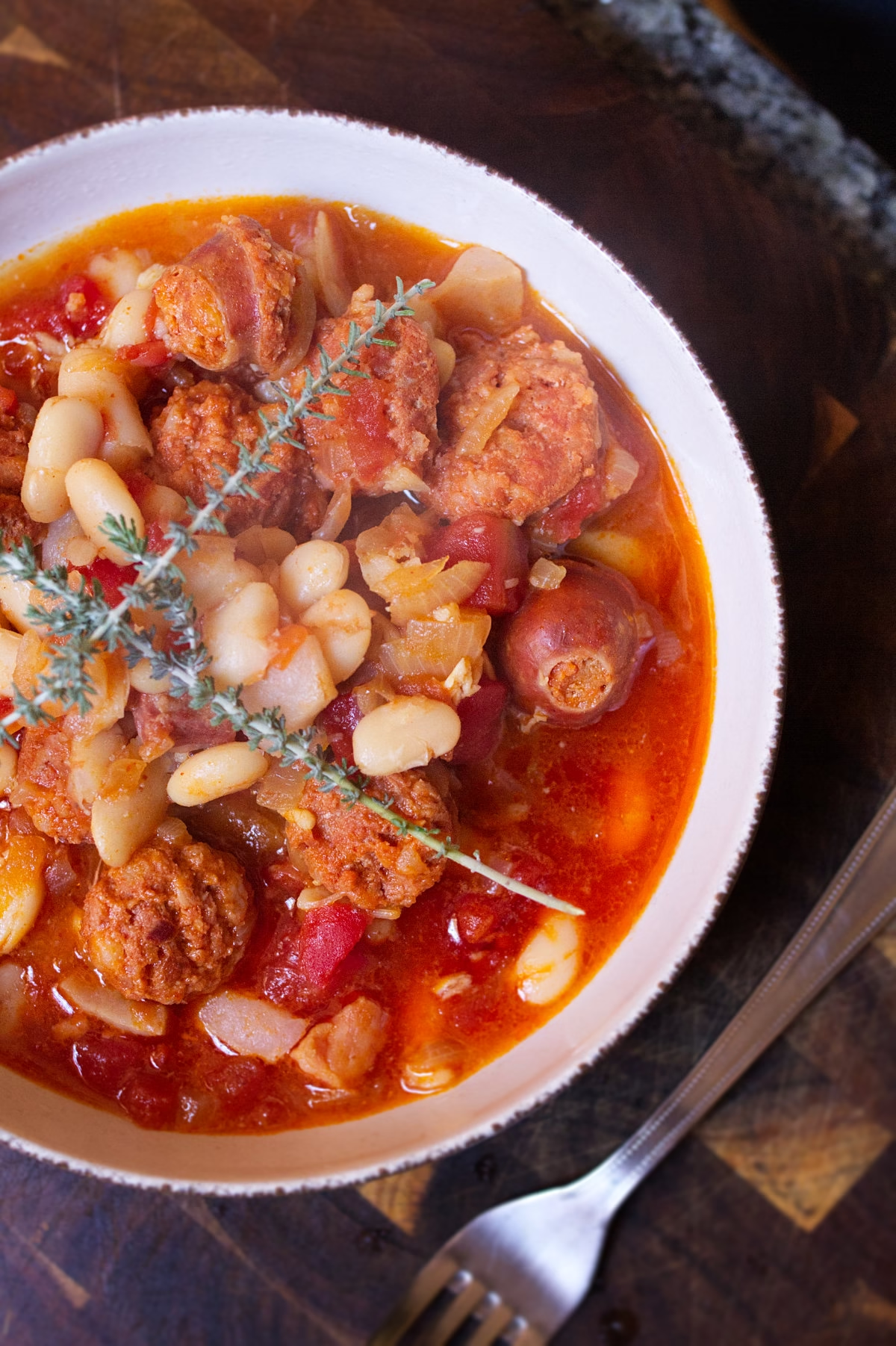
How to Make A Classic Spanish Fabada with Chorizo and White Beans
🛒 Ingredients (Serves 6)
For the Iberico Pork Bone Broth
- 1.5 kg (3.3lb) Iberico pork bones with meat attached
- 1 onion, halved
- 1 large carrot
- 1 leek, trimmed
- 3 garlic cloves
- 2 bay leaves
- 8–10 peppercorns
- Splash of white wine or 1 tbsp vinegar
- Water to cover
- Salt to taste
For the Fabada
- 500 g (18 oz) dried White beans (Fabes de la Granja if possible, or cannellini/northern beans)
- 300 g (10.5 oz) Spanish chorizo (mild or spicy), sliced into thick coins
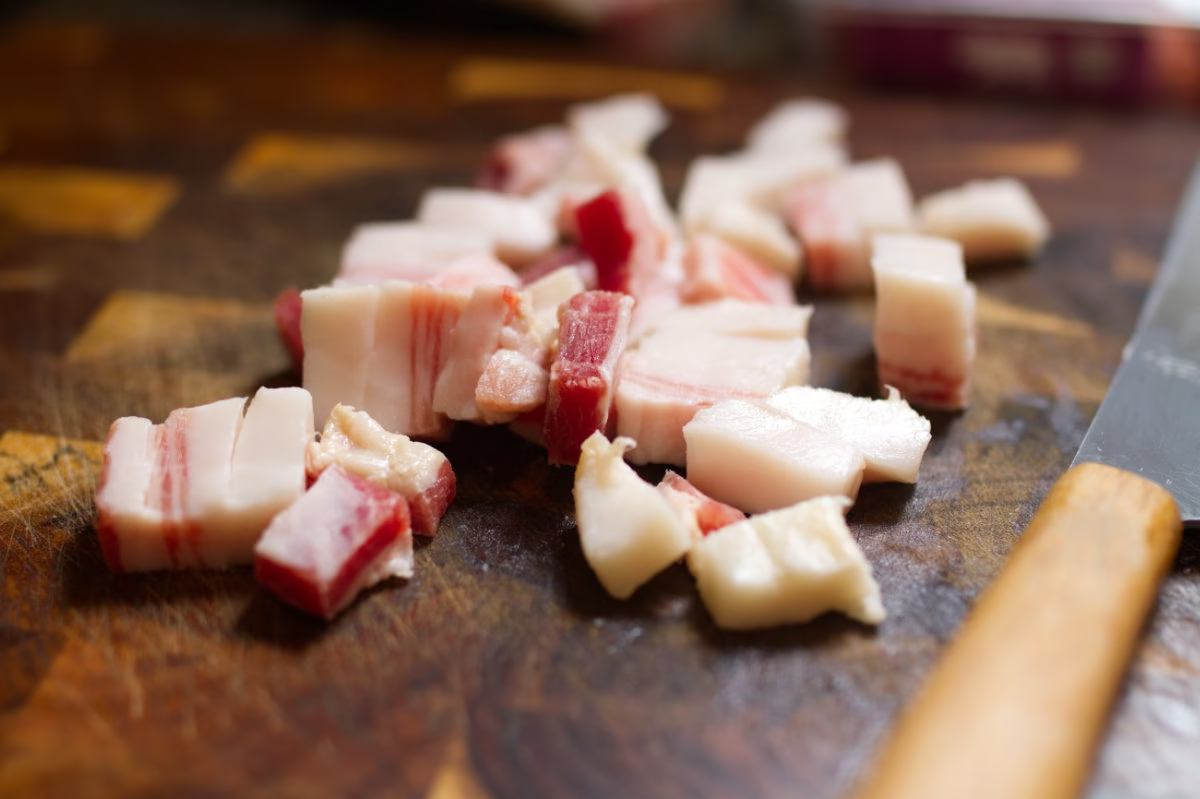
- 150 g (5.3 oz) pancetta or tocino, cubed (we used Pancetta Ibérico)
- 1 onion, finely chopped
- 4 garlic cloves, minced
- 300g (10.5 oz) canned diced tomatoes
- 1 tsp La Dalia Spanish Sweet smoked paprika (pimentón dulce)
- 1 tsp Garlic Powder
- ½ tsp Cayenne pepper
- 2 bay leaves
- 1–1.2 L Iberico pork broth (from above)
- Extra Virgin Olive Oil
- Salt and pepper to taste
Equipment
- 20cm/12 inch cast iron skillet
- Clay pot (Cazuela) (optional)
- Ceramic grater plate
- Wooden cutting board
- Chef knife
- Cooking Tongs
🥣 Step-by-Step Instructions
Step 1 – Make the Iberico Broth (allow 5 hours minimum)
- Preheat the oven to 220°C (430°F).
- Spread the Iberico bones across a baking tray. Roast for 25–30 minutes, or until caramelized and brown.
- Transfer to a large pot, add the onion, carrot, leek, garlic, bay leaves, peppercorns, and a splash of wine or vinegar.
- Cover with water and bring to a gentle simmer.
- Cook 4–6 hours, skimming occasionally for a clear broth.
- Strain and set aside.
- Pick off any meat from the bones — you can add this to the Fabada later for extra richness.
Step – 2. Prepare the Beans
- Soak the beans overnight (or use quick-soak method: boil 2 minutes, rest 1 hour).
- Drain and rinse before cooking.
- Alternatively: use a jar of prepared (cooked) beans.
Step 3 – Build the Fabada
- In a heavy pot, heat some olive oil.
- Add the pancetta and cook until lightly browned and the fat renders.
- Add chorizo slices and sauté 2–3 minutes to release their oils.
- Add chopped onion and sauté until soft and golden.
- Add garlic and paprika, and stir for 30 seconds until fragrant (don’t burn the paprika).
- Add the diced tomatoes and stir through
- Add the soaked beans, bay leaves and thyme if using, and just enough Iberico broth or water to cover.
- Bring to a gentle simmer (never a hard boil — it breaks the beans).
- Cook for 1.5–2 hours until beans are tender and broth is thickened. Add more broth if needed.
- Season only at the end — the chorizo and pancetta add saltiness.
Step 4 – Optional: Add Iberico Meat
If you saved any tender meat from the bones, stir it in during the last 10-15 minutes of cooking.
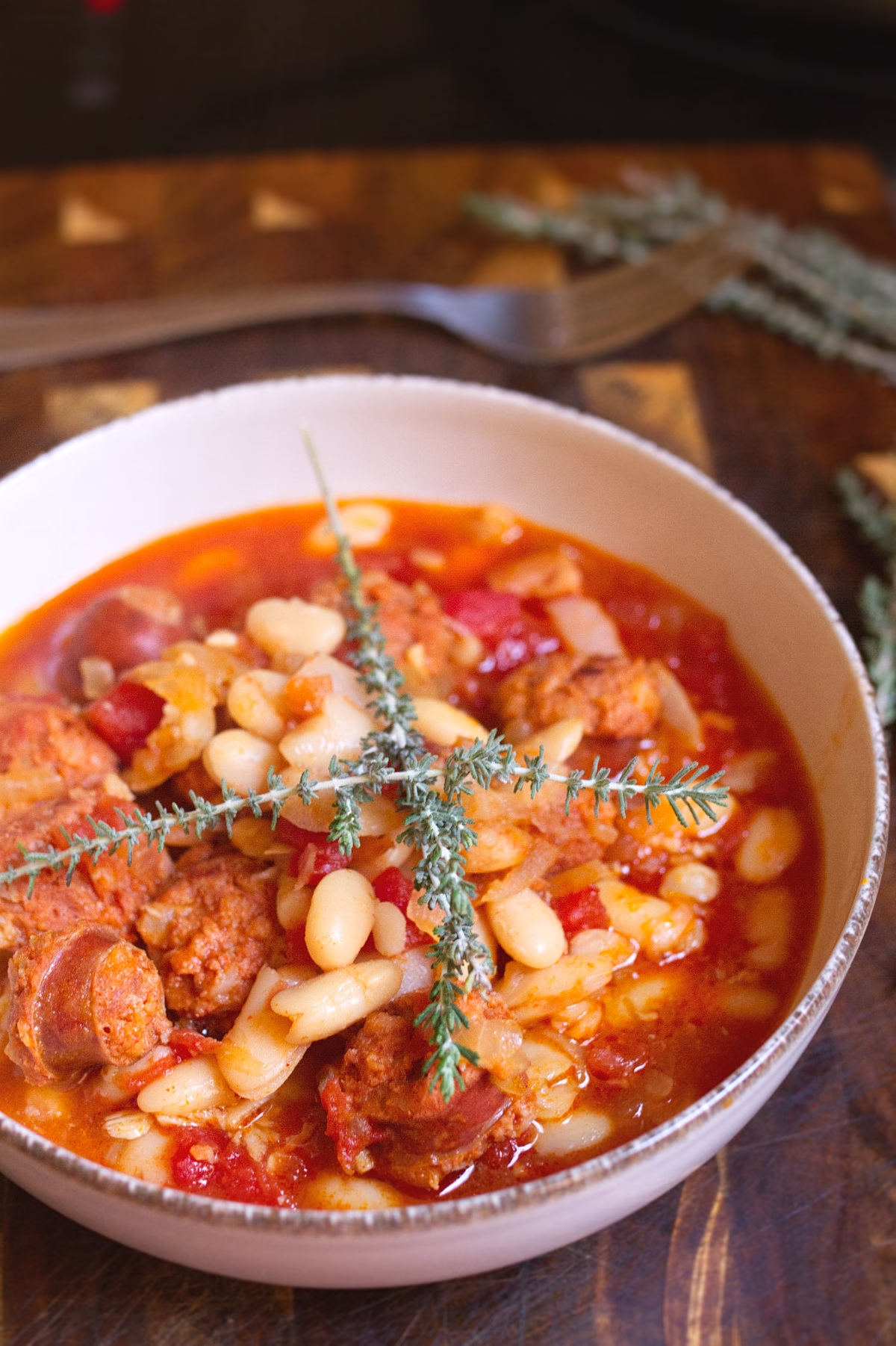
🍽️ Serving Suggestions
This recipe is fantastic when served alongside lots of fresh crusty bread, or make it extra indulgent comfort food and serve the fabada over a bead of creamy mash. No matter how you serve it, we suggest drizzling a splash of olive oil and serving your fabada piping hot alongside a glass of Spanish red wine like a Rioja, Ribera del Duero, or even a crisp Asturian cider.
🍷 For more info on Spanish Wines, check out our complete guide. Guide to Spanish Wine: Types, Tasting Notes, Food Pairings 🍷
Buen Provecho!
💡 Tips & Variations
- No Iberico bones? Use smoked pork bones or a ham hock — it still produces a beautiful, velvety broth. See notes below on how to max out flavor from any pork bones.
- Short on time? Use a store-bought low-sodium beef or Organic Low Sodium Chicken Broth instead.
- Traditional Asturian version also includes morcilla asturiana; add 1 sliced sausage if desired.
- Slow cooker option: Cook the Fabada ingredients on low for 8 hours (beans unsoaked).
- Freezer-friendly: Fabada freezes beautifully for up to 3 months.

Origin of Spanish fabada
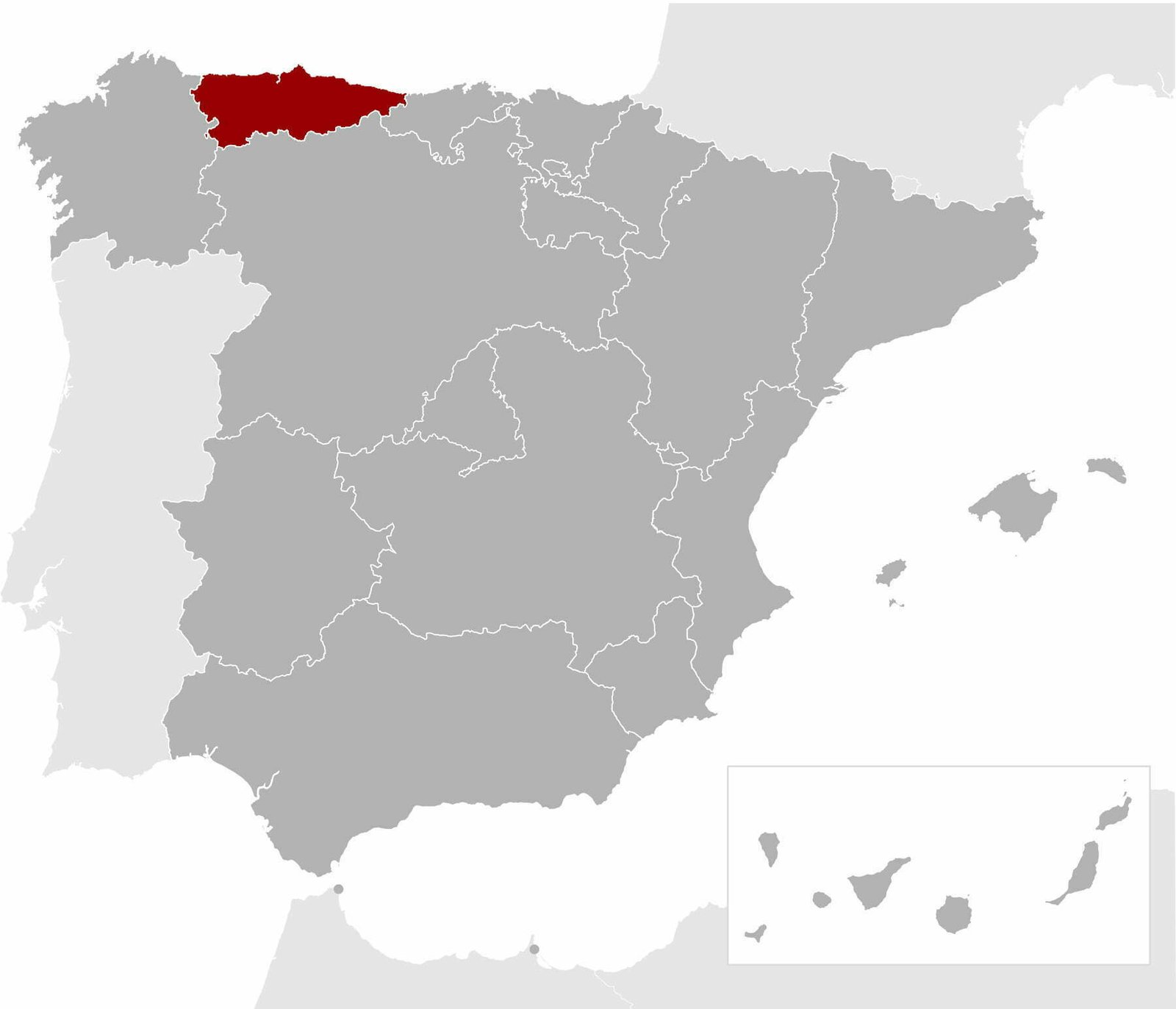
A dish born in Asturias (Northern Spain)
Fabada originates in Asturias, a region known for its cool climate, heavy rains, and fertile valleys — ideal for growing the dish’s star ingredient: fabes de la Granja, a large, creamy white bean. These beans have been cultivated in Asturias for centuries and are prized for their buttery texture and ability to absorb flavour.
While beans were present in Asturias much earlier (they arrived from the Americas in the 16th century), Fabada as we know it today likely emerged in the late 18th or early 19th century. It was considered mountain food, perfect for keeping farmers warm and energised during long workdays.
There’s no single “inventor,” but it developed naturally as a peasant, rural dish — a way to make a hearty, filling meal using locally grown beans such as fabes de la Granja, a large, creamy white bean, combined with cured sausages (chorizo, morcilla), pork fat or tocino, and slow-cooked, making it ideal for cold Asturian winters.
Fabada began appearing in Asturian cookbooks and local writings in the mid-to-late 1800s, confirming it was already a well-known, culturally embedded recipe in the region. By the early 20th century, the dish started spreading beyond Asturias, appearing in Spanish restaurants and being referenced as a signature northern dish.
Nowadays, fabada is synonymous with the Asturias region and has cemented its place in recipe books both in Asturias, and greater Spain.
Asturias Cuisine and Culture:
Discover the Asturias Region with our complete Foodie Guide of Asturias:
Asturias, above any other region in Spain, offers some of the greatest diversity in cuisine that blends sea and mountain ingredients, with premium-quality beef, fish, and cheeses, as well as shellfish, fine wines, and ciders. Our Asturias regional guide will take you on a culinary tour to explore this exceptional region of Spain.
Our Favorite Recipes From Asturias
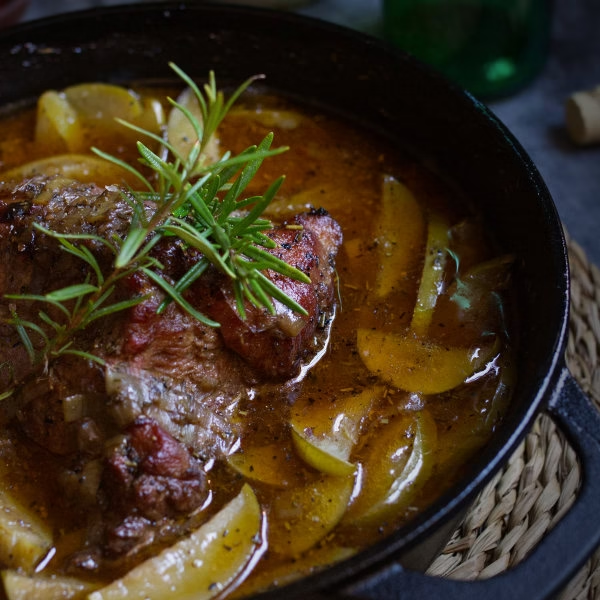
Braised Pork Shoulder in Asturian Sidra | Spanish Cider and Pork Recipe 🇪🇸
Tender, melt-in-your-mouth pork braised in authentic Asturian cider (sidra) with fennel, apples, and herbs. This rustic Spanish cider pork stew is packed with rich flavors and perfect for a cozy dinner or festive gathering.
🍿Step-By-Step YouTube Recipe Video: https://youtu.be/SRY0XbNLxnc

Fabada Asturiana (Spanish bean stew)
Fabada Asturiana is the perfect winter stew for when the cooler weather sets in. It is very easy to make and requires little more than leaving the ingredients simmering down in a large pot over a few hours. This classic regional Asturias recipe combines pancetta, chorizo, morcilla, and the prized Fabada Asturiana broad bean.
🍿Step-By-Step YouTube Recipe Video: https://youtu.be/4EaPnm0Gnws

Spanish Chorizo Cooked in Cider 🇪🇸Chorizo A La Sidra 🍏
Spanish chorizo cooked in cider (Chorizo a la Sidra) is a classic Asturias tapas that’s quick and easy to prepare. Paprika-infused chorizo oil combined with delicious sweet apple cider!
🍿Step-By-Step YouTube Recipe Video: https://youtu.be/de-Xt597e7w
The Beauty of Spanish Cooking
Spanish cooking is the perfect blend of simplicity and bold flavor, making it an ideal choice for no-fuss recipes that never compromise on taste.
Rooted in fresh, seasonal ingredients and time-honored traditions, Spanish cuisine transforms everyday staples like potatoes, peppers, and olive oil into vibrant, comforting meals. With the addition of smoky spices, aromatic herbs, and signature ingredients like chorizo, even the most straightforward dishes feel rich and indulgent.
What makes Spanish recipes especially appealing for busy home cooks is their natural balance of ease and flavor. Many classic dishes are one-pan wonders, designed to let the oven or skillet do the work while the ingredients slowly meld together into something extraordinary.
Spanish cooking is about celebrating quality ingredients, minimal preparation, and maximum payoff—a cooking style that turns weeknight dinners into hearty, satisfying experiences without the stress.
Types of Spanish Chorizo (Flavors, Recipes, and Traditions)
Chorizo is deeply woven into Spanish culinary culture, with methods and traditions that have been passed down through generations.
Discover more about:
The 7 Most Used Spices in Spanish Cooking (Uses, Health Benefits, Recipes)
At its core, Spanish chorizo is made from minced pork and pork fat, seasoned generously with Spanish paprika and garlic, then stuffed into natural pork casings. Depending on the regional style, additional spices such as black pepper, cumin, bay leaf, thyme, onion, or oregano may also be included.
Once seasoned and stuffed, the sausages are tied and hung to dry in environments with the right balance of airflow, temperature, and humidity—usually a cool, dry space. Traditional chorizo cures for about 50 days, though some varieties are smoked over oak wood before completing their drying process.
In many Spanish villages, making chorizo is still a cherished annual ritual that remains virtually unchanged through time.
Spanish Soft Chorizo (Chorizo Fresco)
- This fresh, uncured sausage is made from pork, fat, paprika, crushed red pepper, and garlic. Because it’s raw, it must always be cooked before eating.
Semi-Cured Spanish Chorizo (Semicurado)
- A partially cured sausage that has been fermented and sometimes lightly smoked. It isn’t dried completely, giving it a softer texture and a pleasant tang from fermentation, which also naturally extends its shelf life.
Cured Spanish Chorizo (Curado)
- The classic chorizo typically served thinly sliced as tapas. It is fully cured—fermented and dried until firm—and keeps well for long periods. Its intense flavor and firm texture make it perfect for snacking or adding to stews and charcuterie boards.
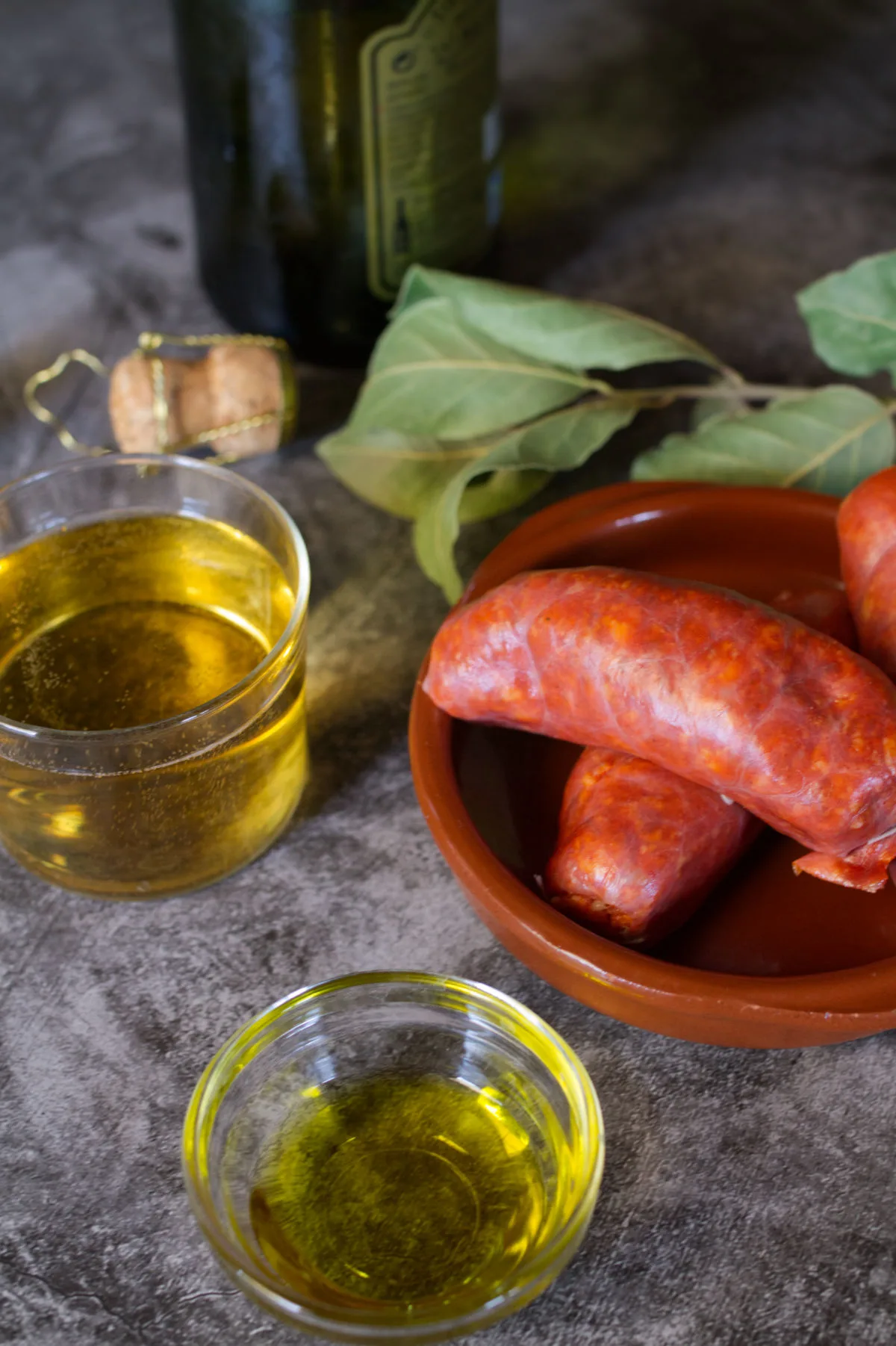
Types of Chorizo by Pork Origin
- Chorizo Ibérico de Bellota
Made from the prized “bellota” Iberian pigs, which are raised on an acorn-rich diet. This results in exceptionally flavorful, marbled meat. - Chorizo Ibérico
Produced from Iberian pig meat, known for its rich flavor and higher fat quality. - Traditional Chorizo
Made from standard locally raised pork—flavorful, accessible, and widely used in everyday Spanish cooking.
What type of Spanish Chorizo to Use
Chorizo is a type of Spanish sausage that comes in a few different varieties: fresh, semi-cured, and cured. We used fresh chorizo sausage for this recipe.
Discover more about the different types of chorizo in this article: Types of Spanish Chorizo (Flavors, Recipes, and Traditions)
🛒 Where to buy Fresh Chorizo (outside of Spain)
While you can buy dry/slicing Spanish chorizo in many supermarkets outside of Spain, tracking down fresh chorizo might be more tricky.
👀 We suggest buying it online and here’s a few reliable brands:
- Pork Chorizo (Wholefoods)
- Silva Sausage, Chorizo Spanish, 11 oz
- Chorizos El Miño . 4 Pack 7 oz (Mexican, but comparable)
More Spanish Chorizo Recipes
- Easy 5-Ingredient Spanish Chicken Chorizo Dinner
- Sheet Pan Chicken Chorizo and Rice (Easy Weeknight Dinner Recipe)
- Mushrooms Stuffed with Chorizo and Garlic (Champiñones Rellenos con Chorizo)
- Easy Sheet Pan Chicken Thighs with Chorizo and Roast Veg
- Rioja-Style Potatoes with Chorizo (Patatas a la Riojana)
- Roasted Potatoes with Chorizo and Thyme
- Chicken Chorizo Chili One-Pot (Spicy Chili Recipe)
- Smoky Spanish chorizo stew with spinach and chickpeas
Iberico Bone Broth
OK, so this is a really great tip on how to get the absolute most out of your bones and is especially helpful after christmas time when a lot of Spanish homes have the leftover ham bones lying around waiting to be used.
Usually, there is plenty of meat still attached to the bone and this meat is ideal for slow-cooking into the broth until it falls off the bone. Then from there, you’ve got an incredibly rich and flavorful pork broth that’s perfect for making a traditional Spanish fabada or stew. We are talking layers and layers or rich, flavorful depth that has to be tried to really appreciate!
Here’s how to do it!
- Sauté onions, garlic, carrots, and paprika.
- Add lentils, tomatoes, and the bones.
- Slow simmer 1–2 hours until the meat softens and bones release flavor.
- Remove bones, shred the meat, and return it to the pot.
Result: A silky, smoky, ultra-rich stew with the incredible flavor depth from the Iberico broth.
Don’t have Iberico Bones? No problem, Do This Instead!
- Use Smoked Pork Bones (Huesos Ahumados)
These are the classic substitute used across Spain.
They give:
- Deep pork flavor
- Natural smokiness
- Great collagen for body
If your butcher has smoked ham hock or smoked backbone ribs, use those. They get very close to Iberico depth.
🍖 2. Add a Mix of Pork Bones + a Piece of Jamón (ham)
Even a small chunk of jamón (Serrano or any cured ham) boosts richness.
Suggested mix:
- 1 kg neutral pork bones (neck, shoulder, or back bones)
- + 50–80 g of jamón trimmings or a ham end
Warning: Don’t add too much jamón or it becomes overly salty, but a little gives that “Iberico-like” cured depth.
🦴 3. Roast Your Bones First (Major Flavor Boost)
Even with normal bones, this changes everything. Here’s how to do it:
- Roast bones at 220°C (430°F) until browned (20–30 min).
- Deglaze the tray with water or white wine and add that to the pot.
This creates a lovely sweetness and enhances richness, body, and flavor. The broth will also be a wonderful amber color that’s super enticing!
Nutrition Facts (Per Serving)
Serving size: ~1 bowl (approx. 450–500 g)
Servings per recipe: 6
(Values are estimates based on common nutritional databases for white beans, chorizo, pancetta, pork broth, and aromatics.)
| Nutrient | Amount Per Serving | % Daily Value (DV) |
| Calories | 640 kcal | 32% |
| Total Fat | 32 g | 41% |
| • Saturated Fat | 10 g | 50% |
| Cholesterol | 65 mg | 22% |
| Sodium | 1,280 mg | 55% |
| Total Carbohydrates | 48 g | 17% |
| • Dietary Fiber | 12 g | 43% |
| • Total Sugars | 4 g | — |
| Protein | 42 g | 84% |
| Vitamin A | 40 mcg | 4% |
| Vitamin C | 7 mg | 8% |
| Calcium | 125 mg | 10% |
| Iron | 6.5 mg | 36% |
| Potassium | 1,050 mg | 22% |
Notes on the nutrition values:
- Sodium can vary significantly depending on the saltiness of the chorizo, pancetta, and broth—your version may be lower or higher.
- Protein is naturally high thanks to the combination of white beans, chorizo, pancetta, and Iberico meat.
- Fabada is nutrient-dense, fiber-rich, and highly satiating—excellent for cold-weather meals.
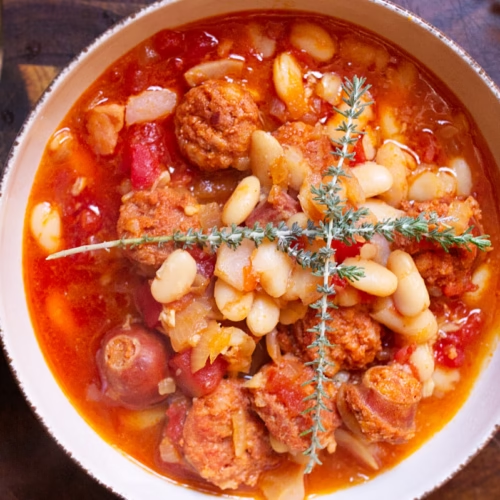
Classic Spanish Fabada with Chorizo and White Beans

Equipment
- 12cm/20 inch cast iron skillet
- Clay pot (Cazuela) (optional)
- Ceramic grater plate
- Wooden cutting board
- Chef knife
- Cooking Tongs
Ingredients
For the Iberico Pork Bone Broth
- 1.5 kg (3.3lb) Iberico pork bones with meat attached
- 1 onion halved
- 1 large carrot
- 1 leek trimmed
- 3 garlic cloves
- 2 bay leaves
- 8 –10 peppercorns
- Splash of white wine or 1 tbsp vinegar
- Water to cover
- Salt to taste
For the Fabada
- 500 g (18 oz) dried White beans Fabes de la Granja if possible, or cannellini/northern beans
- 300 g (10.5 oz) Spanish chorizo mild or spicy, sliced into thick coins
- 150 g (5.3 oz) pancetta or tocino cubed (we used Pancetta Ibérico)
- 1 onion finely chopped
- 4 garlic cloves minced
- 300 g (10.5 oz) canned diced tomatoes
- 1 tsp La Dalia Spanish Sweet smoked paprika pimentón dulce
- 1 tsp Garlic Powder
- ½ tsp Cayenne pepper
- 2 bay leaves
- 1 –1.2 L Iberico pork broth from above
- Extra Virgin Olive Oil
- Salt and pepper to taste
Instructions
Step 1 - Make the Iberico Broth (allow 5 hours minimum)
- Preheat the oven to 220°C (430°F).
- Spread the Iberico bones across a baking tray. Roast for 25–30 minutes, or until caramelized and brown.1.5 kg (3.3lb) Iberico pork bones with meat attached
- Transfer to a large pot, add the onion, carrot, leek, garlic, bay leaves, peppercorns, and a splash of wine or vinegar.1 onion, 1 large carrot, 1 leek, 3 garlic cloves, 2 bay leaves, 8 –10 peppercorns, Splash of white wine or 1 tbsp vinegar, Water to cover, Salt to taste
- Cover with water and bring to a gentle simmer.
- Cook 4–6 hours, skimming occasionally for a clear broth.
- Strain and set aside.
- Pick off any meat from the bones — you can add this to the Fabada later for extra richness.
Step - 2. Prepare the Beans
- Soak the beans overnight (or use quick-soak method: boil 2 minutes, rest 1 hour).500 g (18 oz) dried White beans
- Drain and rinse before cooking.
- Alternatively: use a jar of prepared (cooked) beans.
Step 3 - Build the Fabada
- In a heavy pot, heat some olive oil.Extra Virgin Olive Oil
- Add the pancetta and cook until lightly browned and the fat renders.150 g (5.3 oz) pancetta or tocino
- Add chorizo slices and sauté 2–3 minutes to release their oils.300 g (10.5 oz) Spanish chorizo
- Add chopped onion and sauté until soft and golden.1 onion
- Add garlic and paprika, and stir for 30 seconds until fragrant (don’t burn the paprika). Add the garlic powder and cayenne pepper if using.4 garlic cloves, 1 tsp La Dalia Spanish Sweet smoked paprika, 1 tsp Garlic Powder, ½ tsp Cayenne pepper
- Add the soaked beans, tomatoes, bay leaves, and just enough Iberico broth to cover.300 g (10.5 oz) canned diced tomatoes, 2 bay leaves, Salt and pepper to taste, 1 –1.2 L Iberico pork broth
- Bring to a gentle simmer (never a hard boil — it breaks the beans).
- Cook for 1.5–2 hours until beans are tender and broth is thickened. Add more broth if needed.
- Season only at the end — the chorizo and pancetta add saltiness.
Step 4 - Optional: Add Iberico Meat
- If you saved any tender meat from the bones, stir it in during the last 10-15 minutes of cooking.
Video
Notes
Tips & Variations
- No Iberico bones? Use smoked pork bones or a ham hock — it still produces a beautiful, velvety broth. See notes below on how to max out flavor from any pork bones.
- Short on time? Use a store-bought low-sodium beef or Organic Low Sodium Chicken Broth instead.
- Traditional Asturian version also includes morcilla asturiana; add 1 sliced sausage if desired.
- Slow cooker option: Cook the Fabada ingredients on low for 8 hours (beans unsoaked).
- Freezer-friendly: Fabada freezes beautifully for up to 3 months.
FAQs – Classic Spanish Fabada with Chorizo and White Beans
- Do I have to use Iberico pork bones for the broth?
No. Iberico bones add incredible depth, but smoked pork bones, ham hock, or a mix of pork bones with a small piece of jamón also make a rich, flavorful broth. You can even use store-bought broth if you’re short on time. - Can I make fabada with canned white beans?
Yes. Canned or jarred cooked beans work well and save time. Just rinse them and reduce the cooking time since they’re already tender. - Why shouldn’t I boil the beans?
Hard boiling breaks the skins and causes the beans to fall apart. A gentle simmer keeps them creamy and intact. - Can I freeze fabada?
Definitely. Fabada freezes very well for up to 3 months. Store in airtight containers and thaw overnight before reheating. - What type of chorizo is best for fabada?
Fresh (raw) Spanish chorizo or semi-cured chorizo works best because it releases flavorful oils into the stew. Fully cured slicing chorizo isn’t suitable for simmering. - How long should I cook the Iberico broth?
A minimum of 4–6 hours is recommended to extract maximum flavor and collagen. A slow cooker works perfectly for this. - Can I make fabada in a slow cooker?
Yes. Add all ingredients (using unsoaked beans) and cook on low for 8 hours. Add chorizo later in the cook if you want firmer slices. - Is fabada spicy?
Not typically. Spanish chorizo adds smokiness, not heat. Use spicy chorizo if you prefer a kick. - Can I prepare this dish ahead of time?
Absolutely—fabada tastes even better the next day as the flavors develop further. - What can I serve with fabada?
Crusty bread, Asturian cider, mashed potatoes, or roasted vegetables pair beautifully with this rich stew.
Love this recipe?
Leave us a comment and tell us your favorite Spanish recipe!
More Recipes From Northern Spain
Rioja Style Beans with Spanish Chorizo – Alubias a la Riojana 🇪🇸
Warm, hearty, and packed with rich Spanish flavors, Rioja-Style Beans with Chorizo is a classic dish from northern Spain that celebrates the simplicity of rustic cooking. Known locally as Alubias a la Riojana, this comforting stew combines tender white beans—or fresh pochas when in season—with smoky Spanish chorizo and a silky paprika-infused sauce.
✅Printable Recipe: https://thespanishradish.com/recipes/rioja-style-beans-with-spanish-chorizo-alubias-a-la-riojana/
🍿Step-By-Step YouTube Recipe Video: https://youtu.be/jOkix6KqJkc
– – – – –
The FAMOUS Mushroom and Shrimp Tapas Recipe from Logroño, Spain | Champiñón con Gamba
This mushroom and shrimp tapas recipe (Champiñón con Gamba) is the undisputed king of Spanish tapas along the famous Calle de Laurel in Logroño. Learn how to recreate this deliciously simple recipe at home with just a few simple ingredients.
🦐 Printable recipe: https://thespanishradish.com/recipes/mushroom-and-shrimp-tapas-champinon-con-gamba/
🍿Step-By-Step YouTube Recipe Video: https://youtu.be/CSABn6dKZLk
– – – – –
Chorizo in Red Wine Tapas Recipe | Chorizo al Vino Tinto
Chorizo in red wine, which translates from “Chorizo al Vino Tinto” is a popular Spanish tapas recipe that originates from the region of La Rioja in northern Spain. The recipe simmers raw Spanish chorizo in a red Rioja (wine from La Rioja) along with a few garlic cloves and some bay leaves for extra flavor.
🐖Printable Recipe: https://thespanishradish.com/recipes/chorizo-in-red-wine-tapas-recipe-chorizo-al-vino-tinto/
🍿Step-By-Step YouTube Recipe Video: https://youtu.be/kV7OqdLjsv4
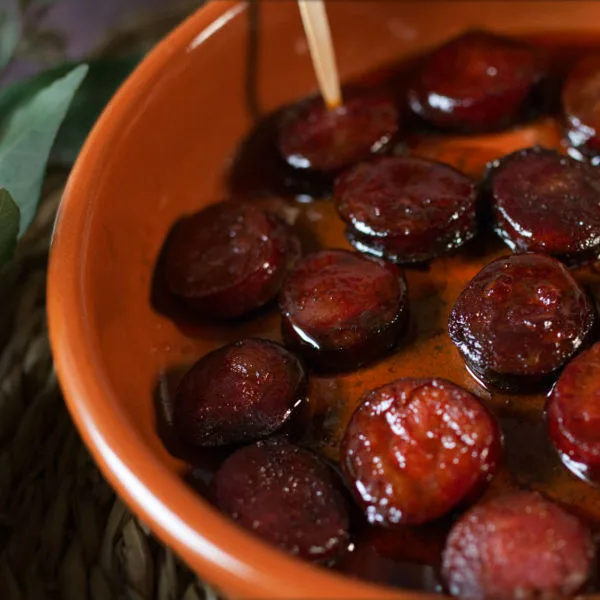
Chorizo in Red Wine
Ready in Under 30 Minutes | Easy Tapas
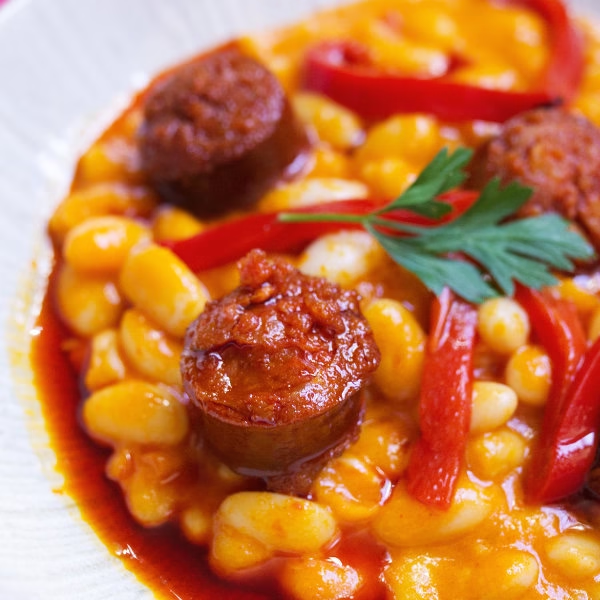
Rioja-Style Beans with Spanish Chorizo
Alubias a la Riojana
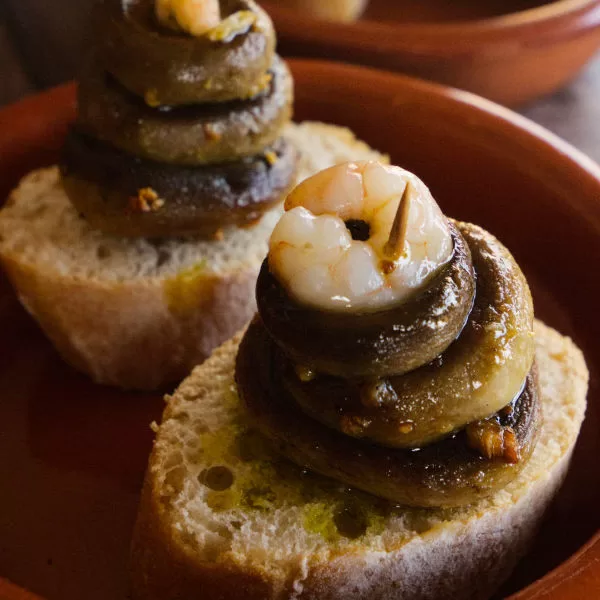
Mushroom and Shrimp Tapas
Party food | Easy recipe
0 Comments