
Pan-fried Artichokes with Garlic & Lemon – Alcachofas Salteadas al Limón
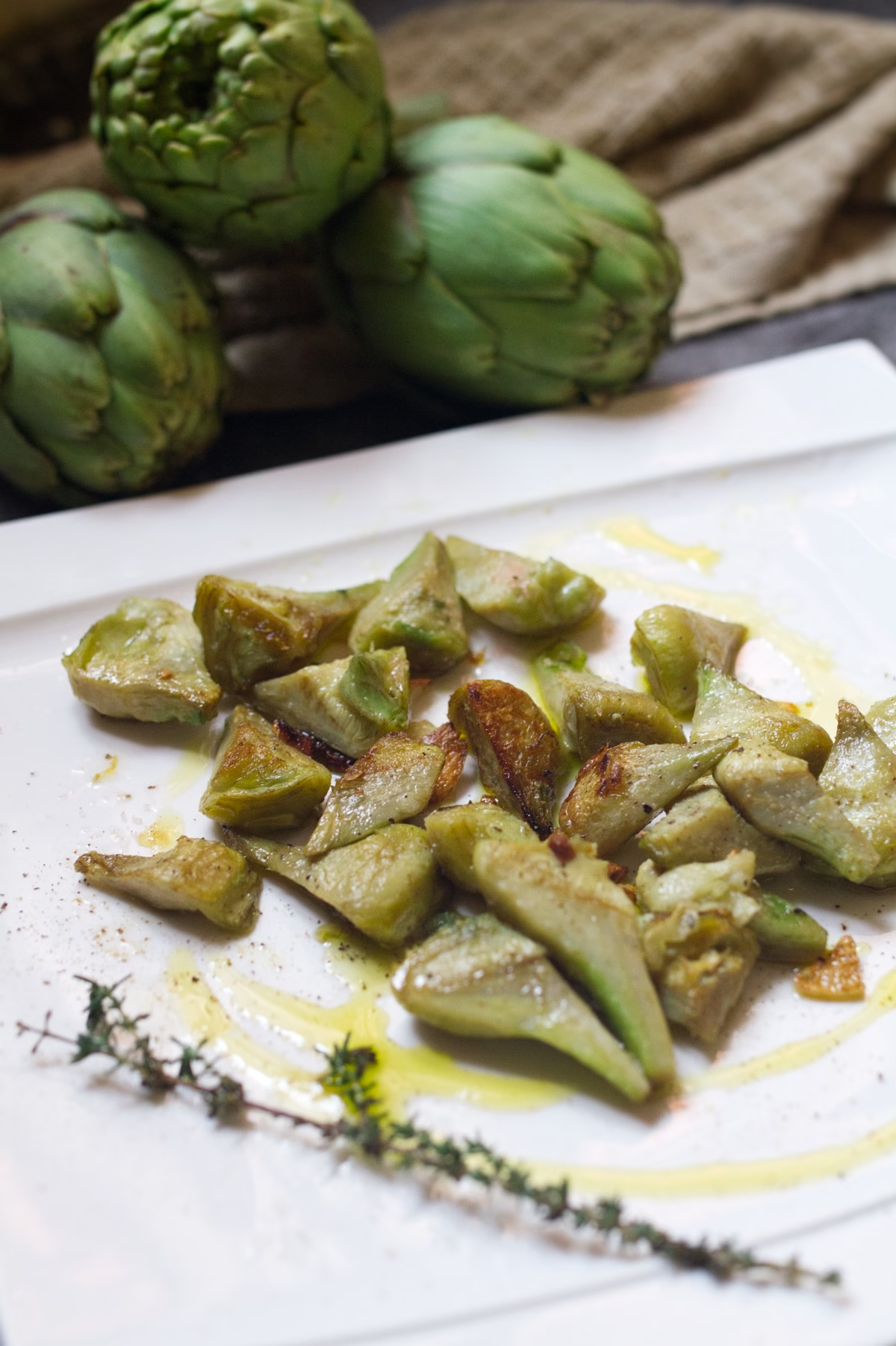
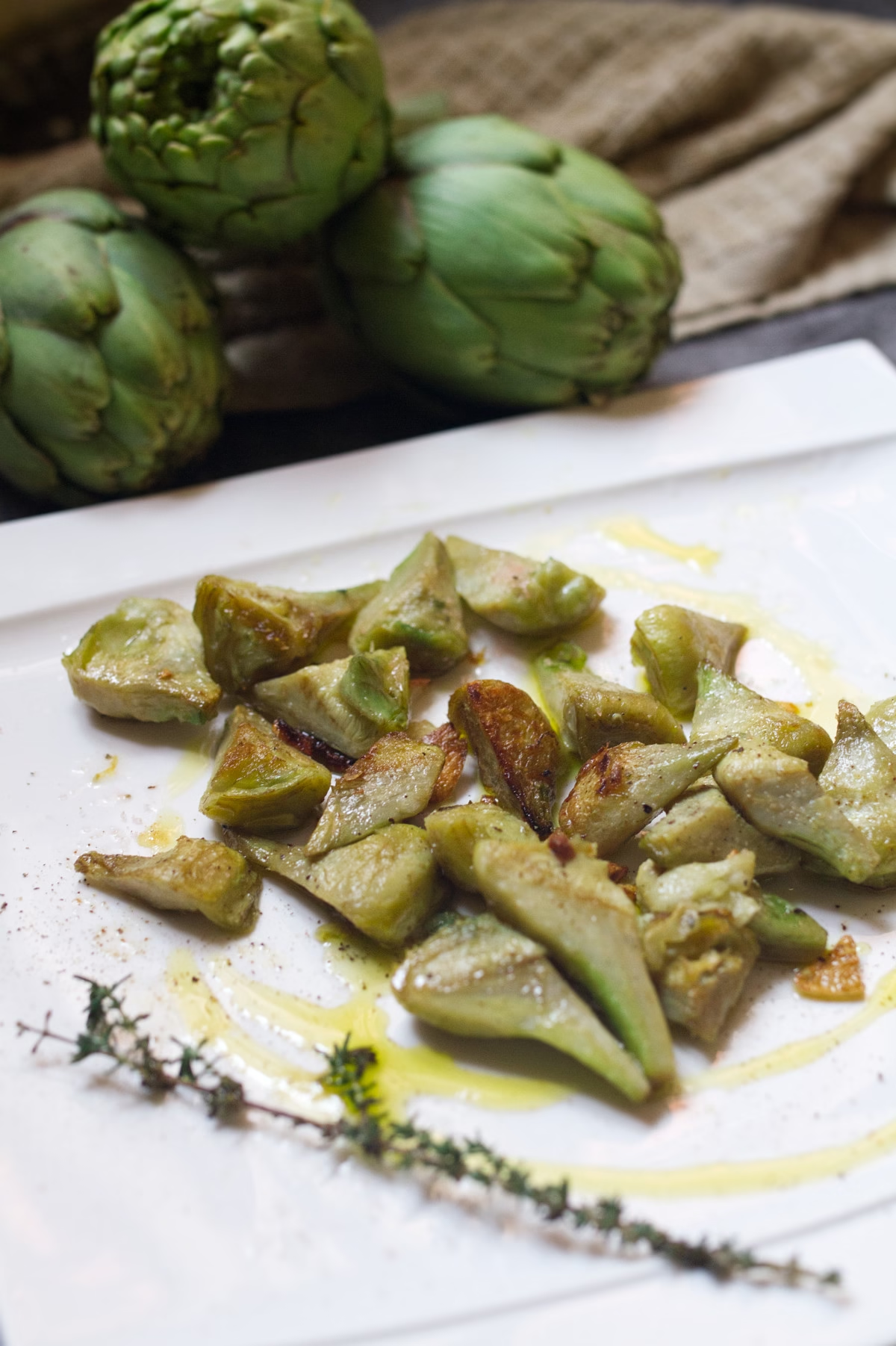
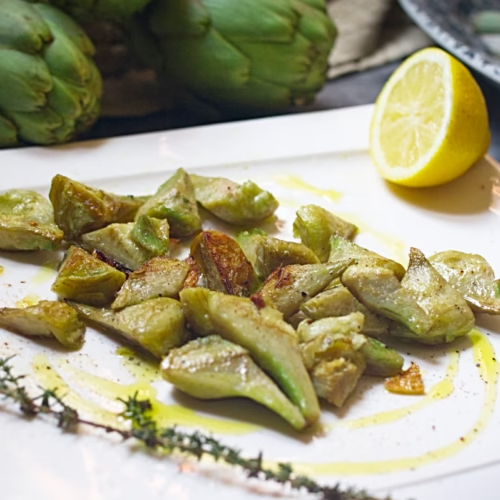
Pan-fried artichokes with garlic & lemon is a quick Spanish tapa that’s crisp, fresh, and ready in 20 minutes.
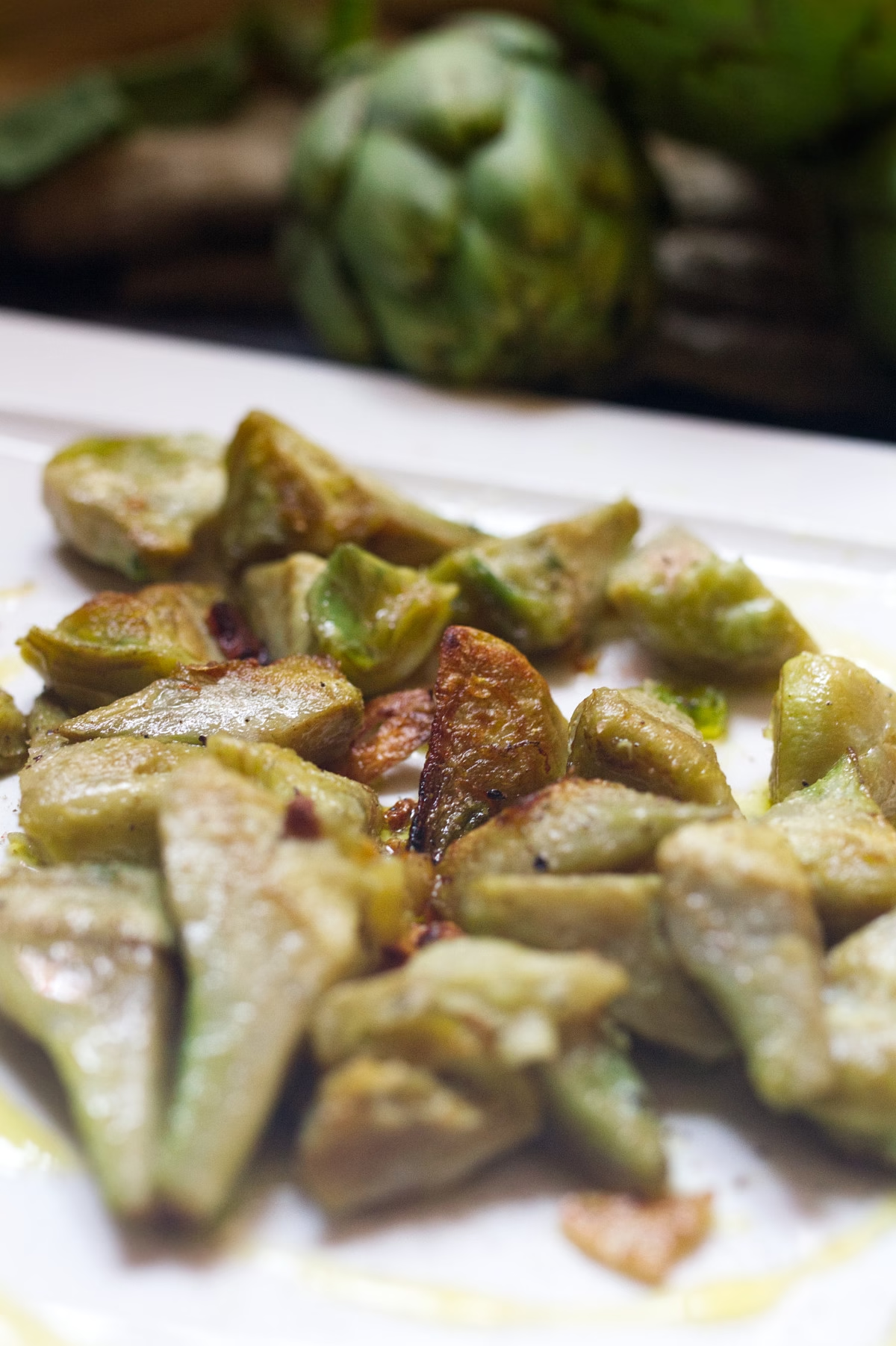
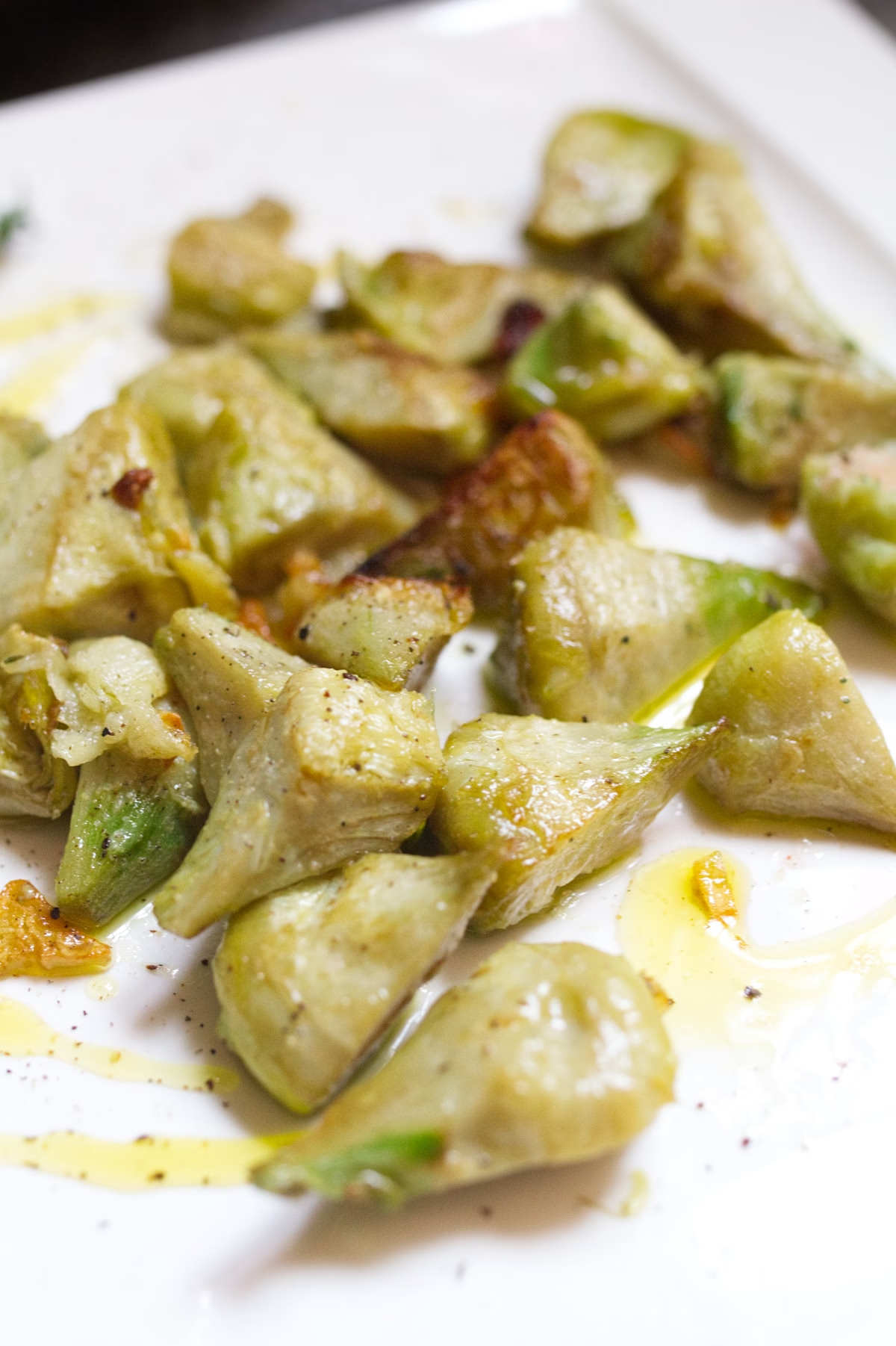
Crispy on the outside, tender in the middle, and bursting with garlic and lemon, these pan-fried artichokes are a true Spanish classic. Ideal as a tapas or tasty vegan-friendly side dish.
Known in Spain as Alcachofas Salteadas al Limón, this simple tapa proves that a handful of good ingredients — fresh artichokes, olive oil, garlic, and citrus — is all you need for something special. Perfect as a quick side, a sharing plate with bread, or alongside grilled meat or fish, this is one of those recipes that feels effortlessly Mediterranean and always hits the spot.
This post may contain affiliate links.
Serving:
Tapas for 2
Ready in:
20 minutes
Skill level:
Easy
Serve with:
Crusty bread
Watch step-by-step recipe video
If you’re looking for this recipe’s video and many other great recipe ideas, why not check out our Spanish Radish YouTube Channel? We’ve got everything from quick and easy tapas recipes to delicious main meals, to incredible Spanish dessert options too.
⭐ Why You’ll Love This Recipe
- Big Spanish flavor from simple ingredients
- Ideal Make-Ahead party food
- Vegan-friendly healthy snack option
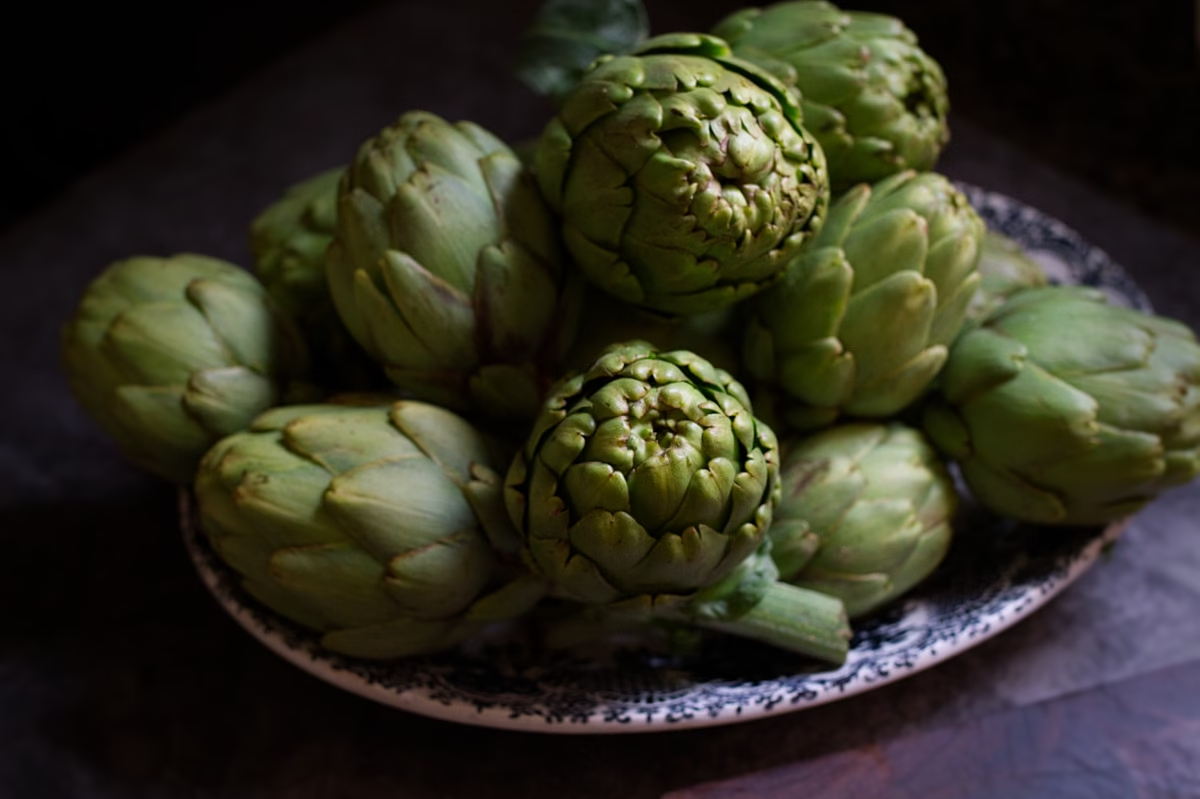
How to Make Pan-Fried Artichokes
Ingredients
- 4–6 fresh alcachofas (artichokes)
- 1 lemon (half for the lemon water, half for finishing)
- Extra Virgin Olive Oil
- 2 garlic cloves, thinly sliced
- 2-3 sprigs of fresh thyme
- Salt & freshly ground black pepper
Optional extras (very Spanish):
- Chopped parsley
- A pinch of sweet paprika
- Shaved Manchego
- Crispy jamón bits (jamon Serrano or Jamon Iberico)
- Star anise (for enhanced Liquorish flavor)
Equipment
-
- Large pot with lid
- Olla de hierro fundido Enameled Cast Iron Dutch Oven
- Spatula
- Wooden cutting board
- Chef knife
Instructions
- Parboil (optional but recommended)
Cook artichokes in salted water for 5 minutes until just tender. Drain well.
(This guarantees tenderness and prevents burning.) - Sauté
Heat olive oil in a wide pan over medium-high heat.
Add fresh thyme, garlic, and artichokes. - Brown
Cook undisturbed for 2–3 minutes, then toss until edges are golden and slightly crisp. - Finish
Season well. Squeeze over fresh lemon juice, toss, and serve!
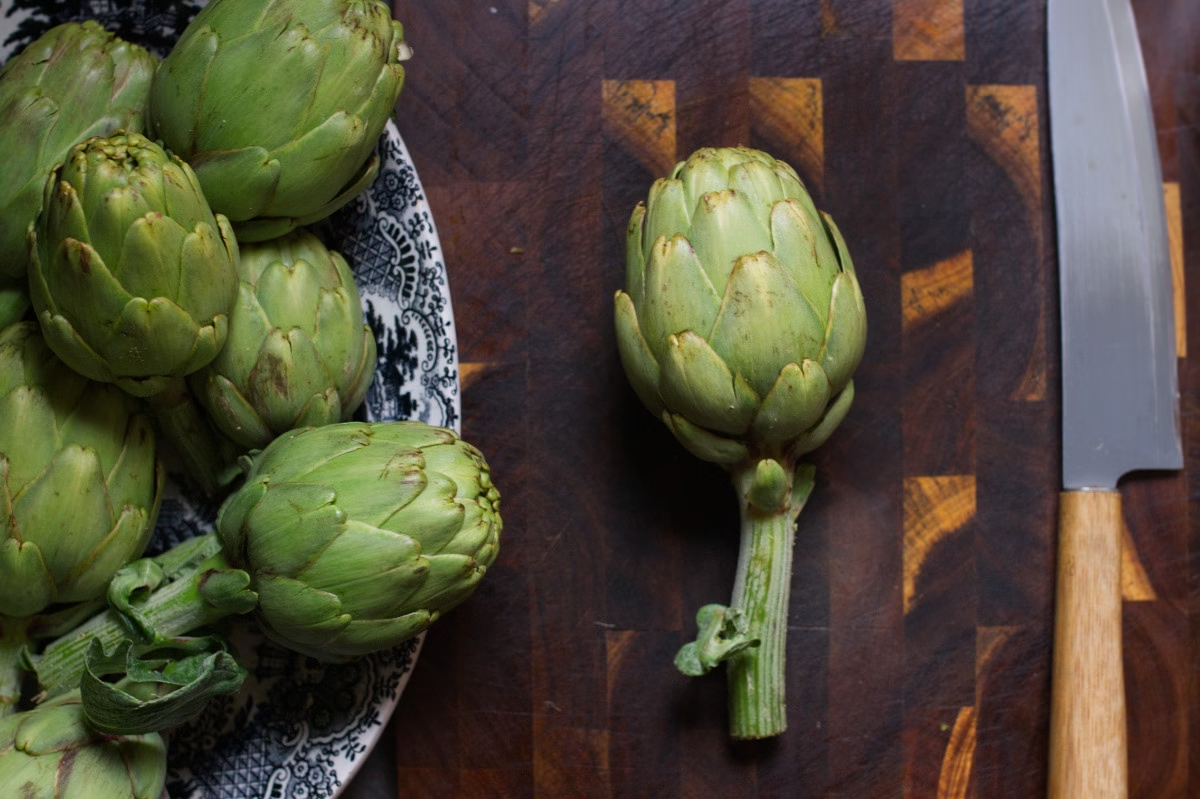
How to Prepare Fresh Artichokes (for Sautéing)
Fresh artichokes need a little prep, but it’s quick once you get the hang of it — and well worth it for the flavour and texture.
- Prepare lemon water
Fill a bowl with cold water and squeeze in half a lemon. This will stop the artichokes from browning as you work. - Trim the stem
Cut off the stem close to the base (or peel it and keep it if it’s tender). - Remove tough outer leaves
Pull off the dark green outer leaves until you reach the paler, softer layers (usually 3–4 layers). - Trim the top
Using a sharp knife, cut off the top of each artichoke, removing about 2–3 cm from the tip. - Halve, then segment
Cut each artichoke in half lengthways, then cut each half into 4–5 wedges or segments. - Drop into lemon water
Place the prepared artichoke segments straight into the lemon water until ready to cook.
👉 Tip: Small, young artichokes don’t need the fuzzy choke removed. If you’re using larger ones, scoop it out gently with a teaspoon.
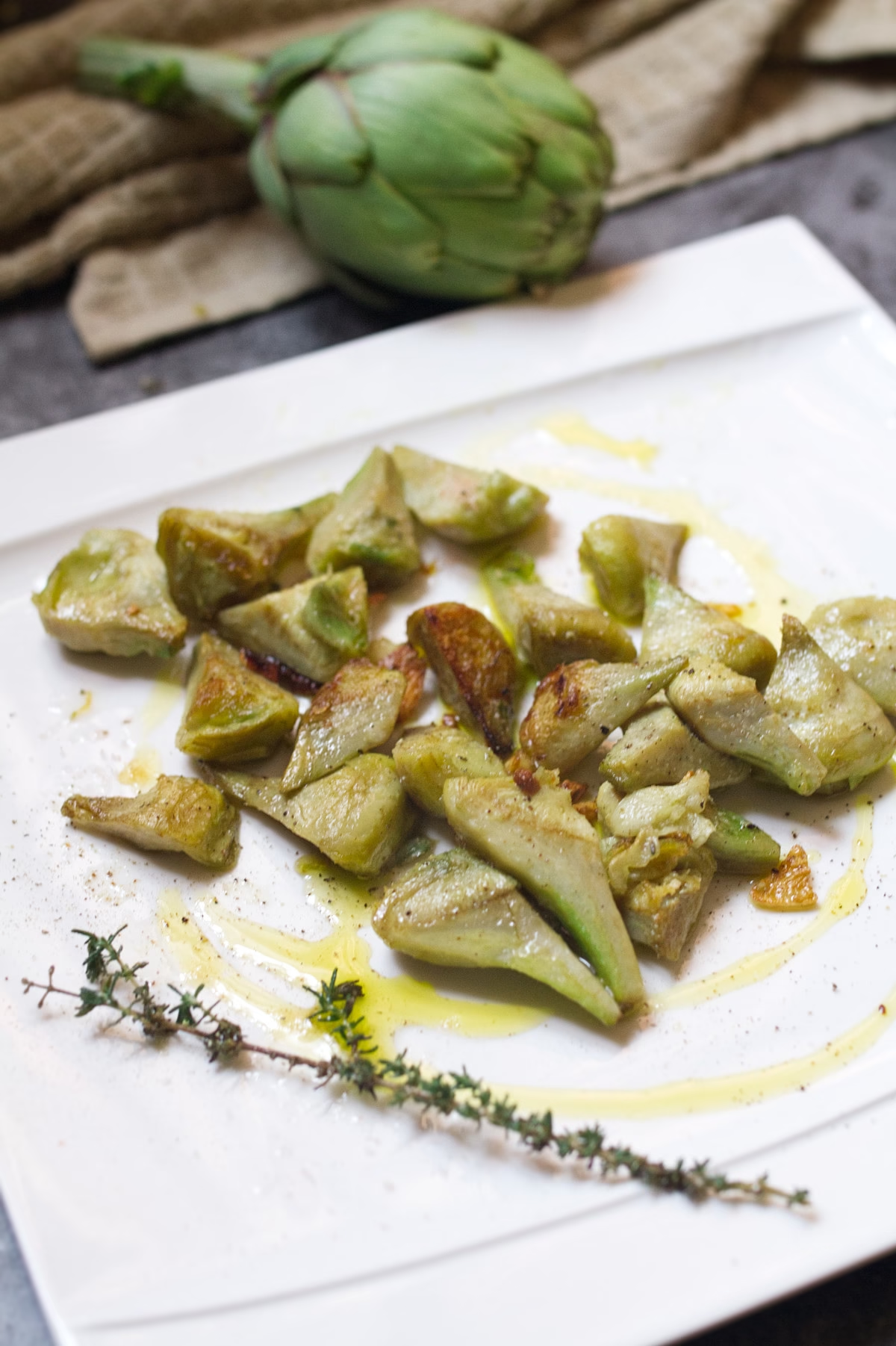
When are Artichokes in Season?
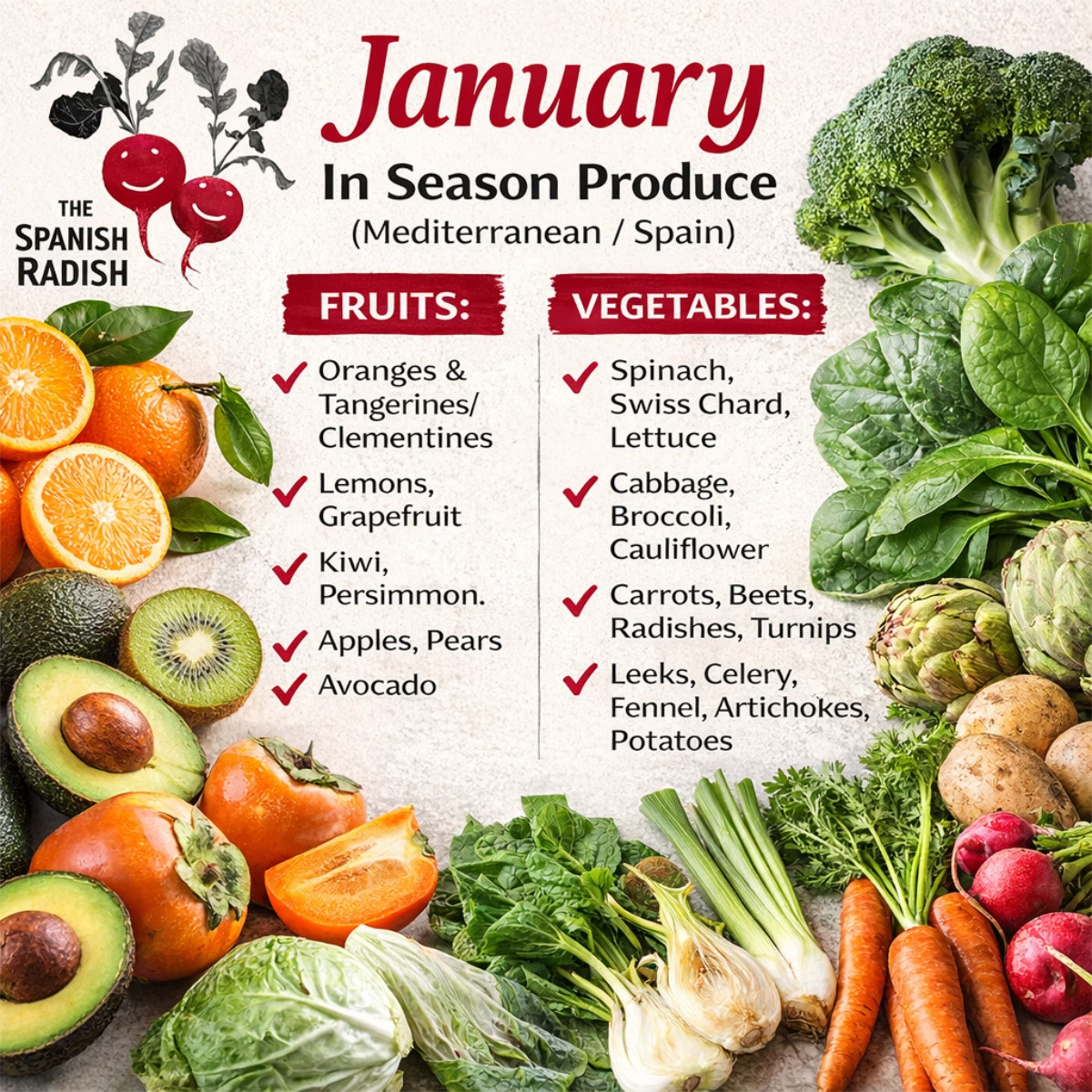
Here in Spain, artichokes (alcachofas) are available from around mid December with peak season occurring around mid-January. There are several festivals around Spain that celebrate the artichoke season.
The main Artichoke Festival in Spain is held annually throughout the month of January in Benicarló (Castellón province), with specific events occurring on and around January 10th. It is a Festival of Regional Tourist Interest that celebrates the local artichokes which have a Designation of Origin (D.O.P.).
Festivity of the Artichoke – Comunitat Valenciana.
The festival features a wide range of activities that highlight the versatility of the artichoke:
- Pincho Days Bars and restaurants in the city compete to create the best artichoke-based tapas (pinchos) for visitors to sample. In 2025, these days ran from January 10 to January 26.
- Popular “Torrà” One of the most popular events involves the public grilling (roasting) of thousands of kilograms of artichokes over a wood fire.
- Gastronomic Market/Days Local restaurants offer special menus and dishes showcasing the artichoke as the star ingredient.
- Other Activities The full program often includes guided tours, a local products fair, sports events like a half marathon, and other cultural activities.
Discover what fruit and veg are in Season with our complete guide for January
How to Serve (Spanish-style)
- Straight from the pan with crusty bread
- With a fried or poached egg on top
- Alongside solomillo, lamb chops, or fish
- Finished with parsley, Manchego, or jamón
Pro Tips (worth knowing)
- Fresh > frozen > jarred (but frozen hearts work in a pinch)
- Don’t overcrowd the pan — colour = flavour
- Lemon goes in at the end, not during cooking
Variations You’ll See in Spain
- Alcachofas al ajillo – extra garlic, no lemon
- With white wine instead of lemon
- With prawns for a quick main
- Andalusian style – finished with sherry vinegar
Will Canned Artichokes Work for This Recipe?
Yes and no. The aim is to cook the artichoke so they are crispy on the outside and soft in the middle. This is very tricky with canned or preserved artichokes as they are already cooked, and in most cases, preserved in an oil or brine that has softened the artichokes considerably. It’s likely that canned artichokes will turn mushy when pan fried.
Wine and Sherry pairing Suggestions
Alcachofas are famously tricky with wine, but Spanish drinks actually handle them beautifully. Here are the best pairings, starting with the safest bets.
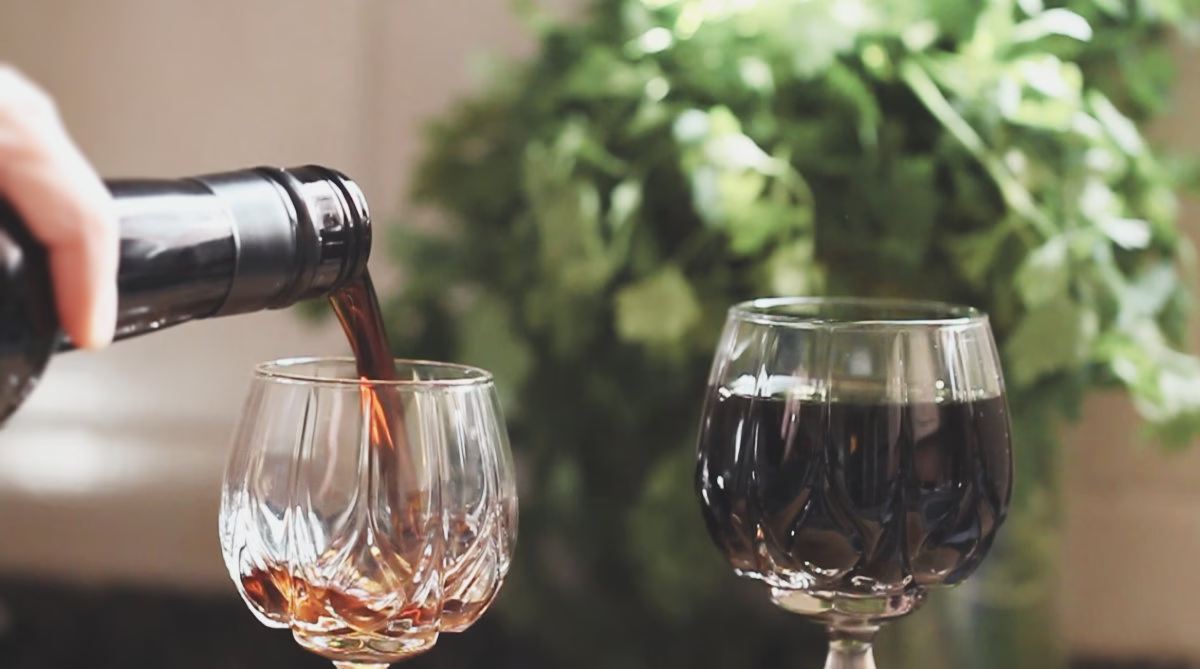
🍸 Fino or Manzanilla Sherry (Top choice)
Why it works:
Artichokes contain cynarin, which makes wine taste sweet or metallic. Bone-dry, salty sherries completely sidestep the problem.
- Fino – clean, almondy, very dry
- Manzanilla – lighter, more saline (great with lemon)
👉 Chill well. This is what you’ll most often get in Andalusia.
Discover more about Spanish wines and sherries in this complete Guide to Spanish Wine: Types, Tasting Notes, Food Pairings

Summer Salad with Melon, Mozzarella & Serrano Ham
No Cooking | Ready in 5 Mins
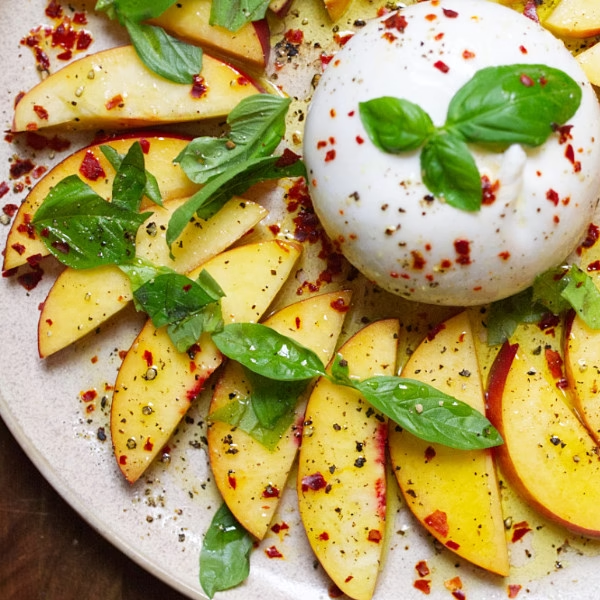
Burrata with Nectarines
with a Tangy Lemony Herb Dressing

Pan-Fried Prawns
with Garlic, Lemon & Chili
The Beauty of Spanish Cooking
Spanish cooking is the perfect blend of simplicity and bold flavor, making it an ideal choice for no-fuss recipes that never compromise on taste.
Rooted in fresh, seasonal ingredients and time-honored traditions, Spanish cuisine transforms everyday staples like potatoes, peppers, and olive oil into vibrant, comforting meals. With the addition of smoky spices, aromatic herbs, and signature ingredients like chorizo, even the most straightforward dishes feel rich and indulgent.
What makes Spanish recipes especially appealing for busy home cooks is their natural balance of ease and flavor. Many classic dishes are one-pan wonders, designed to let the oven or skillet do the work while the ingredients slowly meld together into something extraordinary.
Spanish cooking is about celebrating quality ingredients, minimal preparation, and maximum payoff—a cooking style that turns weeknight dinners into hearty, satisfying experiences without the stress.
Nutrition Facts (per serving)
Approximate values
| Nutrient | Amount per serving | % DV* |
|---|---|---|
| Calories | 120 kcal | 6% |
| Total Fat | 7 g | 9% |
| – Saturated Fat | 1 g | 5% |
| Cholesterol | 0 mg | 0% |
| Sodium | 180 mg | 8% |
| Total Carbohydrates | 13 g | 5% |
| – Dietary Fiber | 6 g | 21% |
| – Sugars | 2 g | — |
| Protein | 3 g | 6% |
| Vitamin C | 15 mg | 17% |
| Vitamin K | 18 µg | 15% |
| Folate (B9) | 70 µg | 18% |
| Potassium | 340 mg | 7% |
| Iron | 1.5 mg | 8% |
*Percent Daily Values (%DV) are based on a 2,000 calorie diet.
Nutrition Highlights
- High in fiber – artichokes are one of the most fiber-rich vegetables, supporting digestion and gut health
- Naturally vegan & gluten-free
- Heart-healthy fats from Spanish extra virgin olive oil
- Rich in antioxidants, especially from artichokes, garlic, and lemon
Pan-fried Artichokes with Garlic & Lemon - Alcachofas Salteadas al Limón 🇪🇸

Equipment
- Large pot with lid
- Enameled Cast Iron Dutch Oven
- Spatula
- Wooden cutting board
- Chef knife
Ingredients
- 4 –6 fresh alcachofas artichokes
- 1 lemon half for the lemon water, half for finishing
- Extra Virgin Olive Oil
- 2 garlic cloves thinly sliced
- 2-3 sprigs of fresh thyme
- Salt & freshly ground black pepper
Instructions
Parboil (optional but recommended)
- Cook artichokes in salted water for 5 minutes until just tender. Drain well.4 –6 fresh alcachofas
Sauté
- Heat olive oil in a wide pan over medium-high heat.Extra Virgin Olive Oil
- Add fresh thyme, garlic, and artichokes.2 garlic cloves, 2-3 sprigs of fresh thyme
Brown
- Cook undisturbed for 5 minutes, then toss until edges are golden and slightly crisp.
Finish
- Season well. Squeeze over fresh lemon juice, toss, and serve!1 lemon, Salt & freshly ground black pepper
Video
Notes
How to Prepare Fresh Artichokes (for Sautéing)
Fresh artichokes need a little prep, but it’s quick once you get the hang of it — and well worth it for the flavour and texture.- Prepare lemon water
Fill a bowl with cold water and squeeze in half a lemon. This will stop the artichokes from browning as you work. - Trim the stem
Cut off the stem close to the base (or peel it and keep it if it’s tender). - Remove tough outer leaves
Pull off the dark green outer leaves until you reach the paler, softer layers (usually 3–4 layers). - Trim the top
Using a sharp knife, cut off the top of each artichoke, removing about 2–3 cm from the tip. - Halve, then segment
Cut each artichoke in half lengthways, then cut each half into 4–5 wedges or segments. - Drop into lemon water
Place the prepared artichoke segments straight into the lemon water until ready to cook.
FAQs
Can I make pan-fried artichokes ahead of time?
Pan-fried artichokes are best served straight from the pan while they’re crisp. You can prep the artichokes in advance (clean, cut, and store in lemon water in the fridge for up to 24 hours), but cook them just before serving for the best texture.
Do I have to parboil the artichokes first?
Parboiling isn’t strictly necessary, but it’s highly recommended. A quick 5-minute boil ensures the artichokes are tender inside and helps them brown evenly without burning when pan-fried.
Can I use frozen artichokes instead of fresh?
Yes, frozen artichoke hearts can work in a pinch. Thaw them completely and pat dry before cooking to remove excess moisture. Fresh artichokes will give the crispiest result and best flavour.
Why do artichokes turn brown when cut?
Artichokes oxidise quickly once cut, similar to apples. Keeping them in lemon water prevents browning and helps preserve their fresh flavour.
Is this recipe vegan?
Yes, the base recipe is naturally vegan and gluten-free. Optional toppings like Manchego cheese or jamón are traditional but completely optional.
What’s the best oil for frying artichokes?
Spanish extra virgin olive oil is ideal for flavour. Use medium-high heat and avoid overheating — olive oil adds richness without overpowering the artichokes.
Why does lemon go in at the end?
Adding lemon juice at the end keeps the flavour bright and fresh. If added too early, the acidity can prevent proper browning and make the artichokes taste slightly bitter.
What can I serve with pan-fried artichokes?
They’re excellent with crusty bread, fried or poached eggs, grilled meat or fish, or as part of a Spanish tapas spread with dishes like gambas al pil pil or patatas bravas.
Love this recipe?
Leave us a comment and tell us your favorite Spanish recipe!
0 Comments