
How to Store Summer Produce: Mediterranean Fruit & Vegetable Storage Guide
Last updated: July 8, 2026
Learn How to Store Summer Produce, boost flavor and reduce waste.
Summer in Spain is a beautiful contradiction. The tomatoes taste like sunshine, the peaches drip like nectar… and your kitchen suddenly turns into a high-speed race against ripening fruit.
Welcome to the world of summer produce storage — where a perfectly ripe tomato can go from “Michelin-worthy” to “slightly suspicious” in what feels like 12 minutes flat.
Across Spain and the wider Mediterranean, people don’t fight this seasonal abundance — they work with it. The secret isn’t fancy tech or fridge engineering… it’s knowing how to handle Mediterranean fruit and vegetables properly, buying smarter, and understanding what actually hates being chilled.
In this guide, I’ll break down keeping produce fresh in summer, from storing tomatoes correctly to handling delicate herbs, stone fruit, and everything your mercado basket throws at you during peak heat.
Because, good hot weather food storage isn’t just practical — it’s the difference between a sad salad and a plate that tastes like August in Andalusia.
🌡️ Why Summer Produce Spoils Faster in Hot Weather
There’s a reason your fruit behaves like it’s in a rush during summer — it basically is.
In a Mediterranean climate, heat speeds up ripening enzymes, humidity encourages mold, and ethylene gas (the “ripen everything immediately” signal) spreads faster than gossip in a village square.
This is why summer produce storage becomes a daily balancing act:
- Leave it out too long → overripe chaos
- Refrigerate too early → flavor loss and sad textures
- Ignore it entirely → fruit soup
And here’s the kicker: not all produce reacts the same. Some love the fridge, some absolutely hate it, and some just want to be eaten immediately with zero delay.
Understanding this is the first step in mastering keeping produce fresh in summer.
🛒 The Mediterranean Approach: Buy Less, More Often
If there’s one rule the Mediterranean kitchen has nailed for centuries, it’s this: don’t overbuy.
Across Spain, markets are part of daily life — not a once-a-week panic stock-up. People tend to buy small amounts of Mediterranean fruit and vegetables, return frequently, and cook with whatever looks best that day.
It’s not just charming — it’s practical.
This approach:
- Reduces waste
- Improves flavor (fresh wins every time)
- Makes Spanish market produce the star of the show
- Removes the need for long-term storage strategies
In other words, the best summer food storage tips might actually be… not storing so much in the first place.
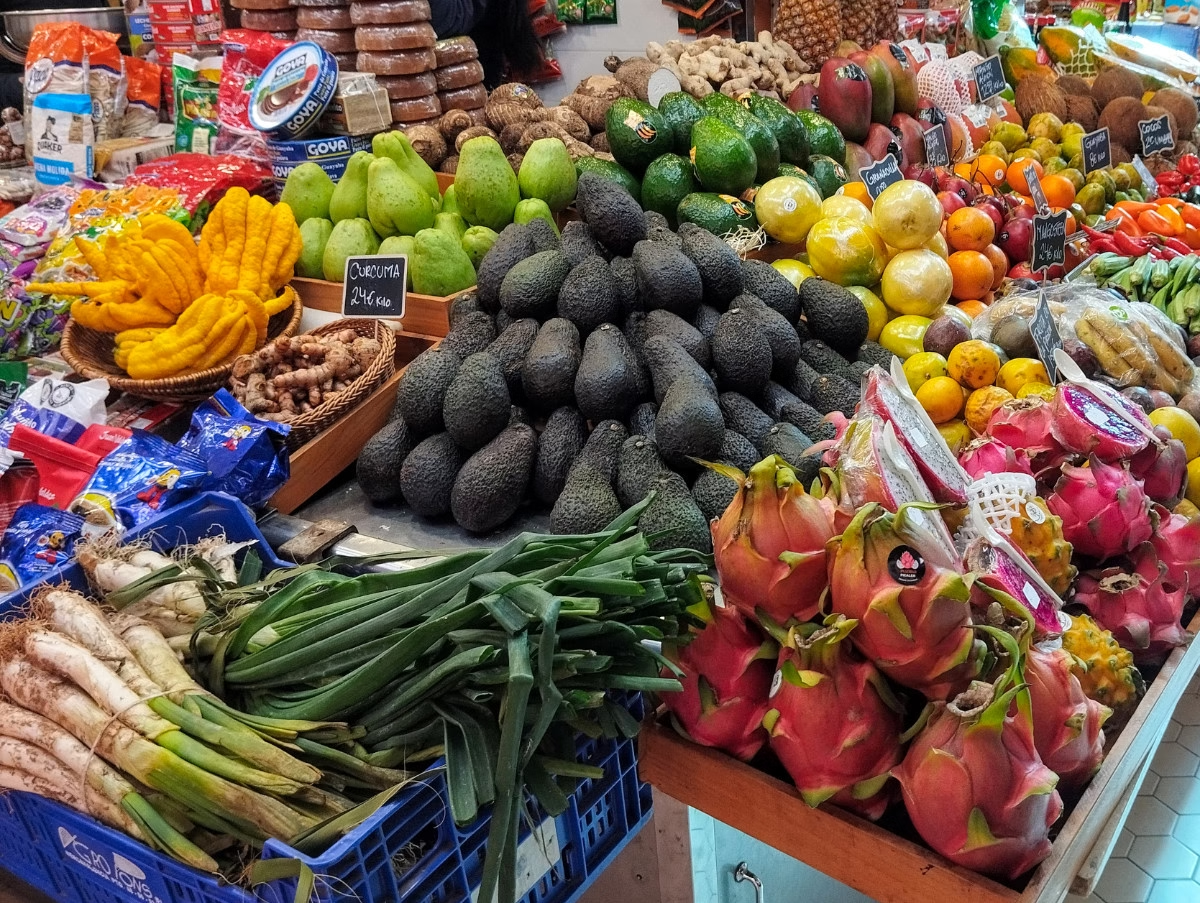
Quick-Reference Summer Storage Guide
| Produce | Best Storage Method | Shelf Life |
| Tomatoes | Room temperature | 3–5 days |
| Cherries | Refrigerated | 4–6 days |
| Peaches | Room temp until ripe | 2–4 days |
| Watermelon | Whole: room / Cut: fridge | 2-3 days |
| Herbs | Water / damp paper towel | 2-3 days |
| Lettuce | Fridge (dry + wrapped) | 2–3 days |
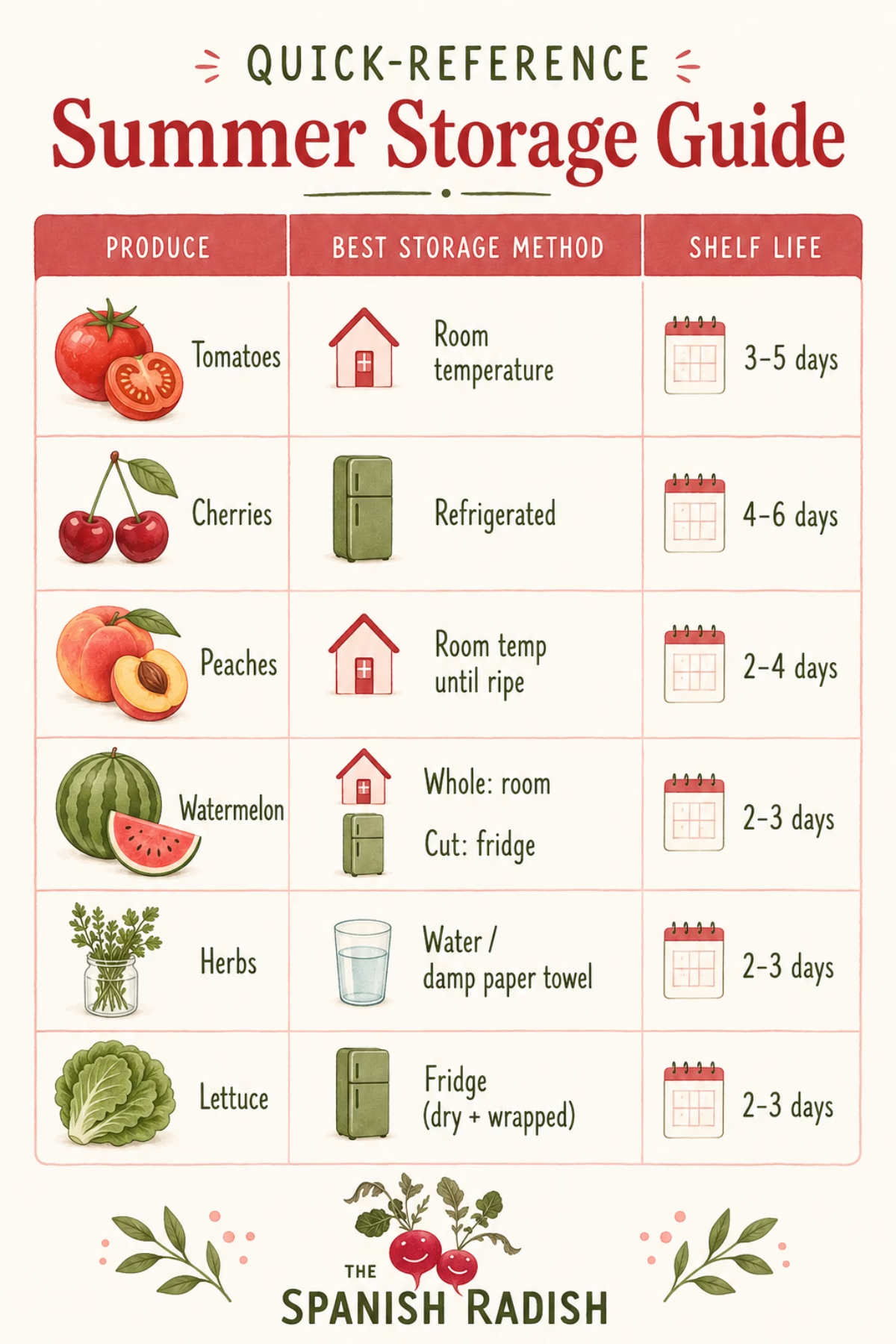
How to Store Summer Fruit Properly
🍅 How to Store Tomatoes
Let’s start with the sacred everyday fruit (yes, fruit): the tomato.
If you take one thing from this entire guide to storing tomatoes correctly, let it be this — the fridge is a last resort, not a default setting.
Best practice:
- Keep at room temperature
- Away from direct sunlight
- Stem-side down if possible (helps slow moisture loss)
- Eat when they smell like actual tomatoes, not cold disappointment
Refrigeration dulls flavor and ruins texture. Only use it if they’re fully overripe and you’re trying to buy time.
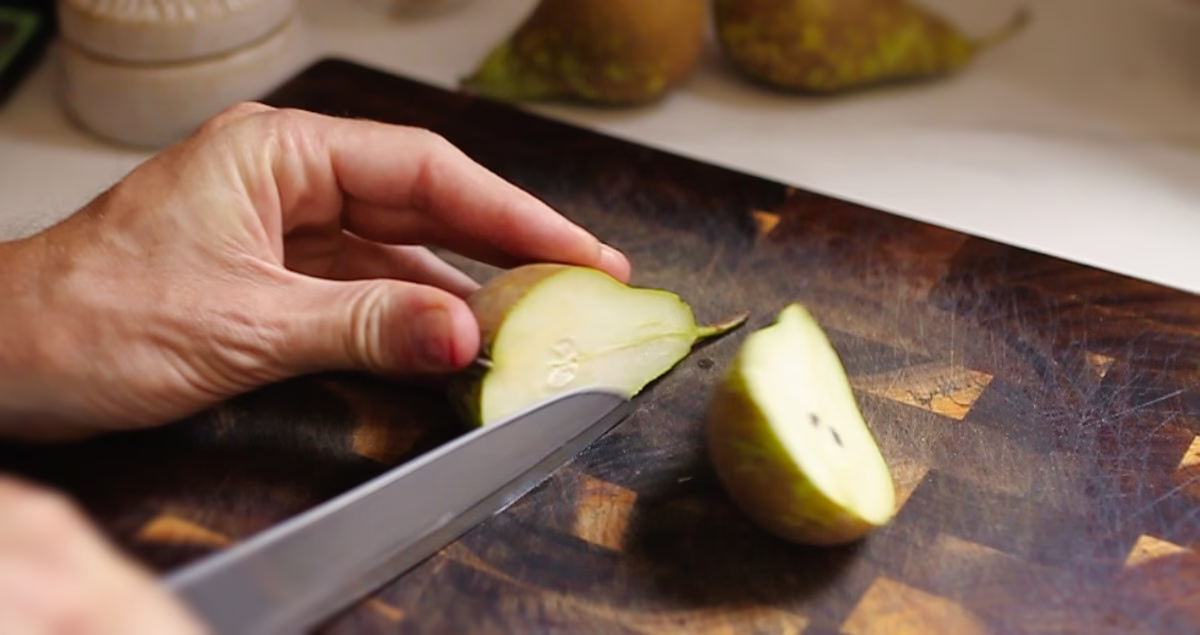
🍑 How to Store Peaches, Pears & Nectarines
Stone fruit is living on a tight schedule.
To keep them at their best:
- Leave at room temperature until ripe
- Once soft and fragrant, eat immediately or refrigerate briefly
- Don’t stack them or else they’ll bruise
These are tricky fruits to keep fresh in summer — definitely a great candidate for buying less in one go, even if they look tempting.
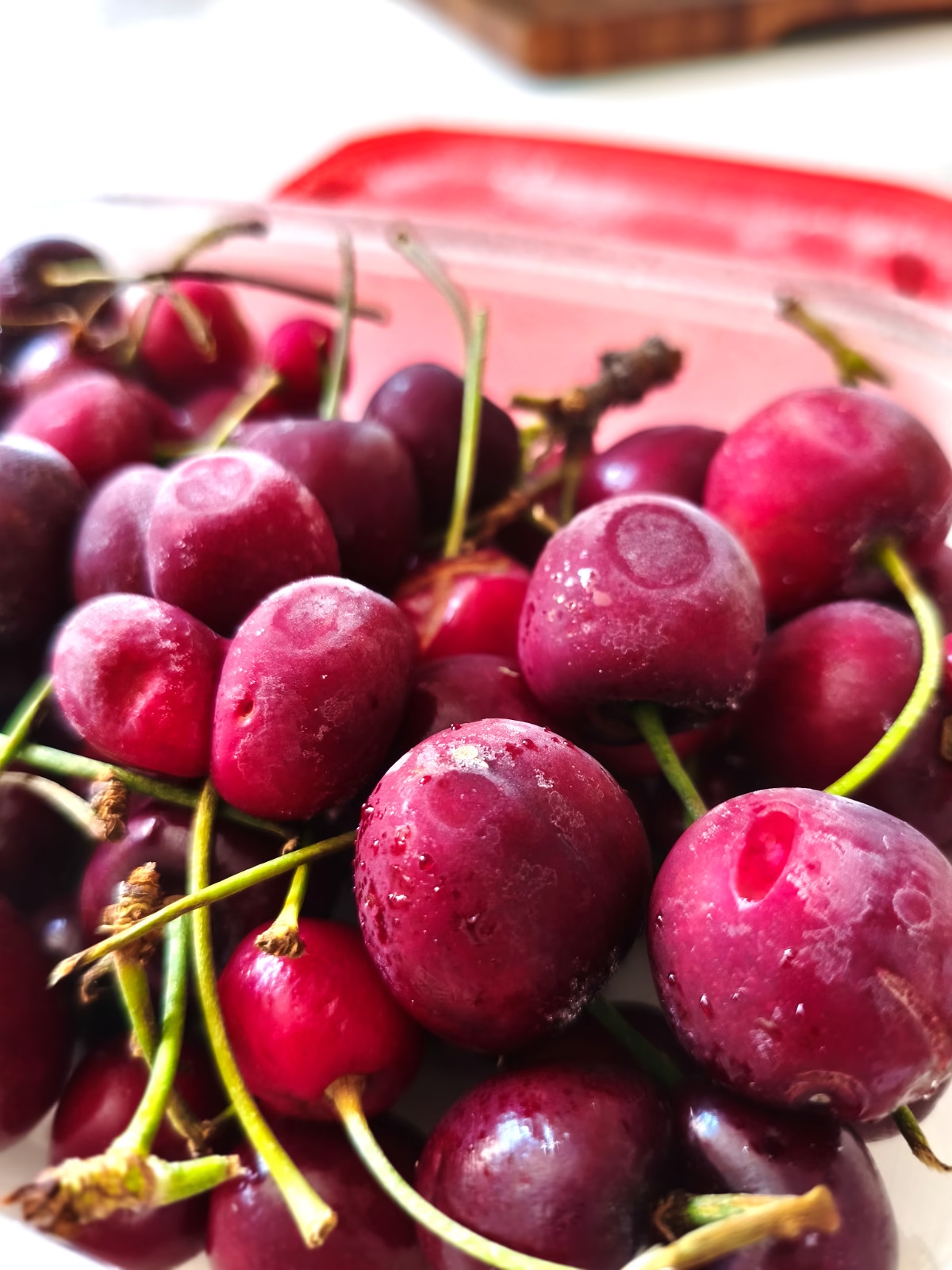
🍒 How to Store Cherries
Cherries are one of the easier guests in the summer kitchen.
- Refrigerate them (unwashed for longer life)
- Keep stems on if possible
- Wash just before eating
A simple but effective summer food storage tip: store cherries in a ventilated container to help prevent mold.
Can Cherries Be Frozen?
Yes. Cherries freeze very well and are one of the best summer fruits to preserve.
Here’s the best method:
- Wash and dry the cherries thoroughly.
- Remove the stems. (You can leave the pits in or pit them first—pitted cherries are more convenient for later use.)
- Arrange them in a single layer on a baking tray and freeze for 2–4 hours until firm.
- Transfer the frozen cherries to airtight freezer bags or containers, removing as much air as possible.
This “flash freezing” prevents the cherries from sticking together so you can use only what you need.
How long do frozen cherries last?
- Best quality: 8–12 months
- Safe to eat: Longer if kept continuously frozen at -18°C (0°F), although texture and flavour gradually decline.
🍉 How to Store Watermelon & Melons
Whole melon = room temperature champion.
Cut melon = fridge-only situation.
- Whole: keep cool and shaded
- Cut: airtight container, refrigerate immediately
This is classic hot weather food storage logic — protect the whole, chill the exposed.
🌿 How to Store Figs
Figs don’t wait for anyone.
- Best eaten the same day
- Store at room temperature if unripe
- Refrigerate only when fully ripe and ready to collapse
Think of figs as the “use it or lose it” category of seasonal produce storage.

🥒 How to Store Summer Vegetables
Vegetables are slightly more forgiving — but still have varying needs.
🥒 Cucumbers
- Fridge, but not too cold
- Wrapped or in drawer to prevent dehydration
🥒 Zucchini
- Fridge, ideally unwashed
- Avoid sealing tightly (they sweat easily)
🥬 Lettuce
- Wash, dry thoroughly, store in container with paper towel
- Keep crisp by avoiding excess moisture
🌿 Fresh Herbs
- Soft herbs (parsley, coriander): like flowers in a glass of water
- Hardy herbs (rosemary, thyme): fridge wrapped in paper towel
🧄 Garlic & Onions
- Cool, dark, dry place
- Never in the fridge unless peeled or chopped
🌶️ Peppers
- Fridge drawer preferred
- Keep dry and whole for best lifespan

❄️ Produce That Should Never Be Refrigerated
Some foods just don’t belong in the cold.
Avoid refrigerating:
- Tomatoes (unless overripe)
- Whole watermelon
- Whole onions
- Whole garlic
- Stone fruit before ripening
- Bread (it dries out faster in the fridge)
Good summer produce storage is often about resisting the urge to refrigerate everything.
⚠️ Signs Summer Produce Has Gone Bad
Even with perfect habits, summer has other plans.
Watch for:
- Soft, collapsing spots
- Wrinkling or excessive shrivelling
- Slimy textures (the universal “nope” signal)
- Mold patches
- Fermented or sour smells
At this point, your fruit or veg has spoiled.
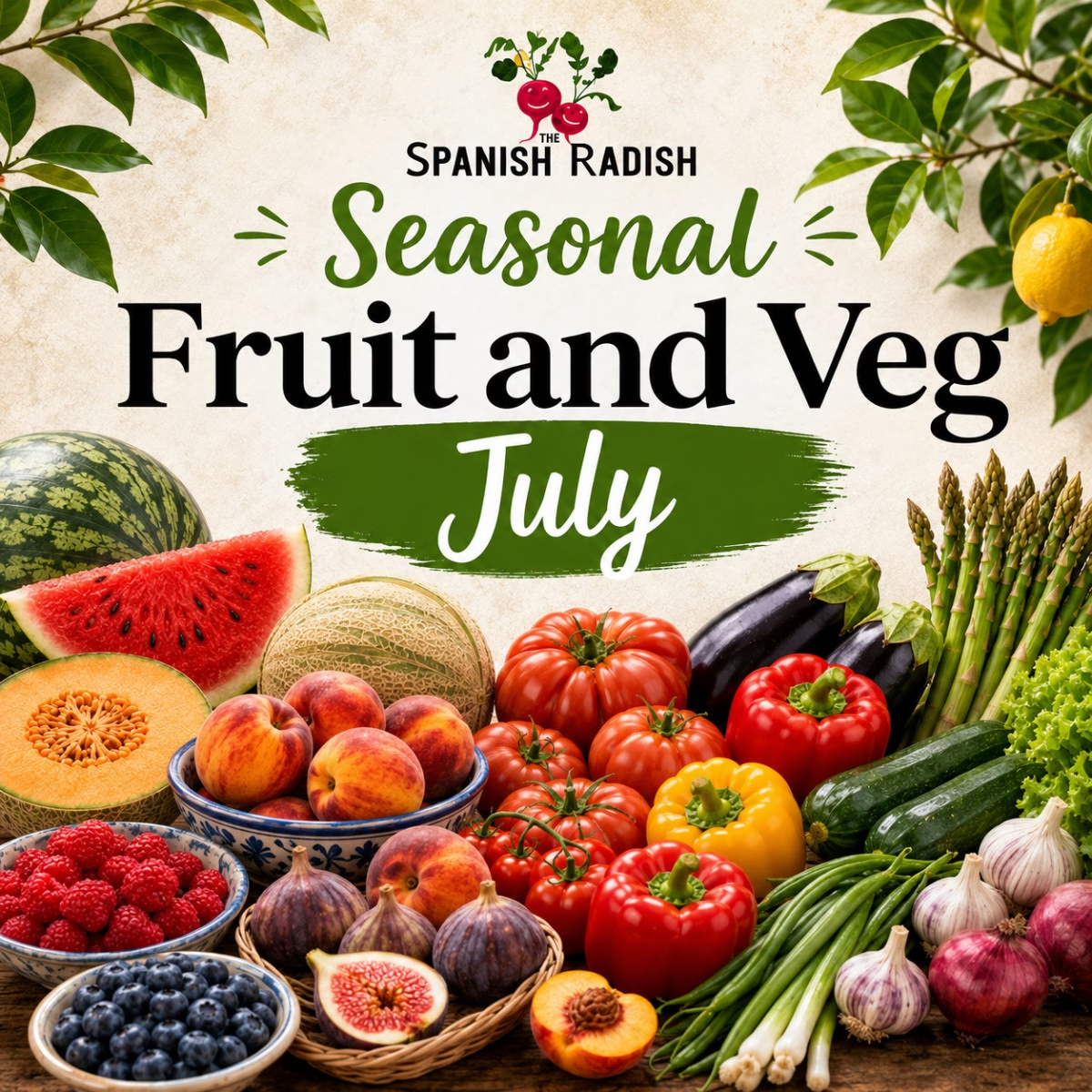
Eat Seasonally
Discover whats in season now in the Mediterranean with our Seasonal Fruit and Vegetables guide.
July is the height of summer in Spain. Markets overflow with juicy stone fruit, fragrant melons, ripe tomatoes, and colorful vegetables that thrive in the Mediterranean sunshine.
If you’re wondering what’s in season in Spain in July, this guide covers the best seasonal fruit, vegetables, and Mediterranean recipe inspiration to help you make the most of summer produce.
A Few Summer Recipes to Make Now, Store Later!
Once you’ve mastered proper storage, you’ll want to put that fresh produce to work in dishes like:
- A classic Spanish tomato salad (ensalada de tomate) made with peak-season tomatoes, olive oil, and sea salt
👉Get the recipe: Spanish tomato salad (ensalada de tomate) - Refreshing gazpacho, the ultimate chilled summer soup built for hot-weather survival
👉 Try out this super-chilled Andaluz Gapacho soup - Crisp and simple cucumber salad, a 5-minute staple for Spanish summers
👉Check out this no-mayo cucumber salad - An effortless tuna and tomato salad for quick summer tapas-style eating
👉 Full recipe: 3-Minute Tuna Tomato Salad - Our full salad recipe collection, packed with seasonal inspiration and easy summer dishes
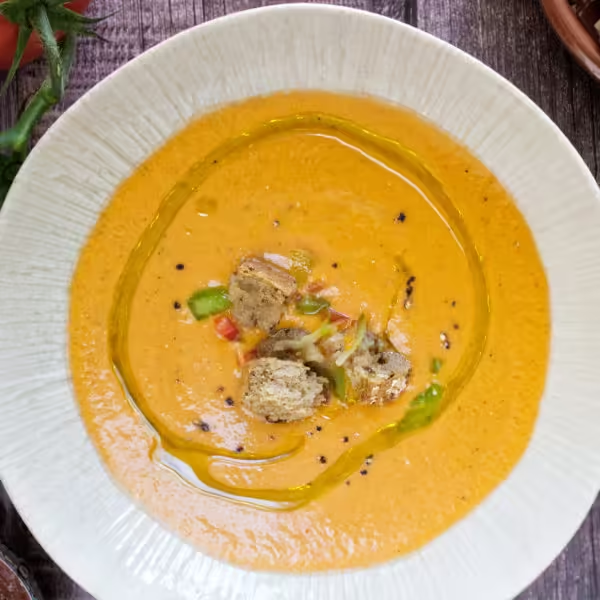
Gazpacho Andaluz
Gazpacho Andaluz is a delicious and fresh soup recipe that will transport your tastebuds straight to the sun-kissed landscape of Andalusia, Spain. This soup is served chilled and is ideal for those hot summer days!
🧑🍳Prep time: 10 minutes | 🧊Chilling time: 2 hours (reccomended)
🍅Perfect for: Hot weather, healthy lunches, Mediterranean eating.
👉Get the full recipe here: Gazpacho Andaluz
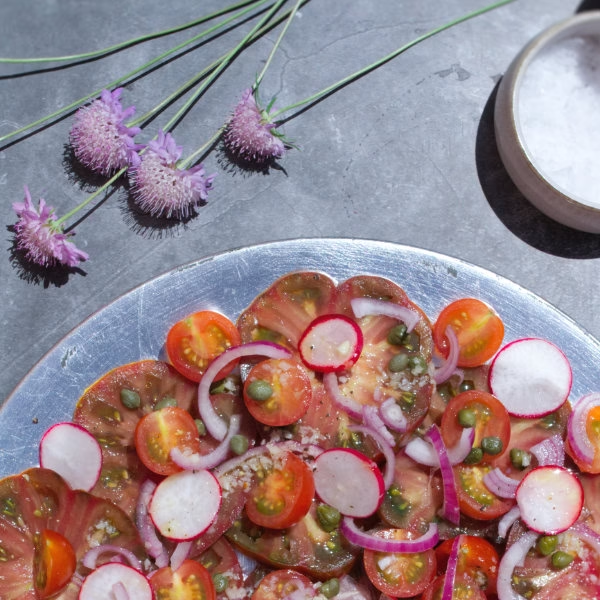
Spanish Tomato Salad (Ensalada de Tomate)
This easy Spanish Tomato salad recipe is all you need this summer. Plump, juicy tomatoes are combined with a little sliced red onion and pink radishes for color, flavor, and crunch. It is a fantastic example of a simple yet flavorful salad recipe that requires no cooking and comes together in under 5 minutes.
🧑🍳Prep time: 5 minutes
🍅Perfect for: Tapas spreads, BBQs, picnics, light lunches.
👉Get the full recipe here: Spanish Tomato Salad (Ensalada de Tomate)
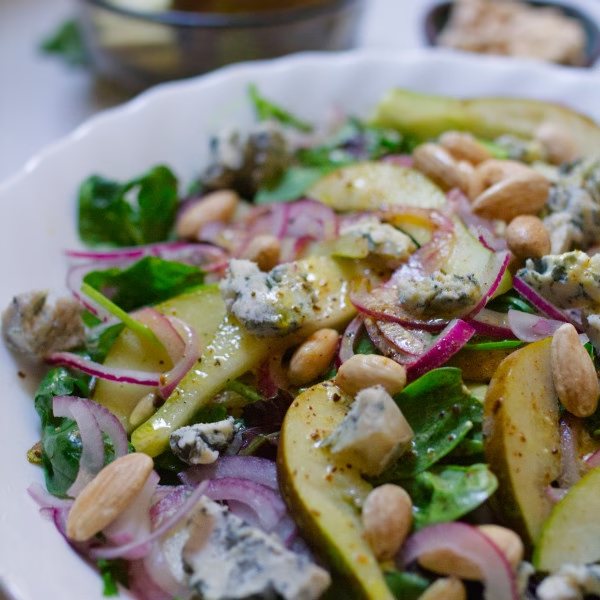
Summer Pear Salad with Blue Cheese and Toasted Almonds
This pear and blue cheese salad is a fresh summer salad recipe made with crisp pears, Spanish Valdeón, toasted almonds, leafy greens, and a zesty lemon dressing. Ready in just 15 minutes.
🧑🍳Prep time: 15 minutes
🍐Perfect for: Tapas spreads, BBQs, picnics, light lunches.
👉Try the recipe: https://thespanishradish.com/recipes/pear-and-blue-cheese-salad
Summer Salad with Melon and Serrano Ham
Nothing captures the essence of summer quite like a vibrant, refreshing salad—and this Summer Salad with Melon and Serrano Ham delivers just that in every bite. Juicy, sun-ripened melon meets the delicate saltiness of thinly sliced Serrano ham, creating a mouthwatering contrast that’s both light and satisfying.
🧑🍳Prep time: 5 minutes
🍉Perfect for: Entertaining, picnics, outdoor dining.
👉Get the full recipe: Summer Salad with Melon and Serrano Ham


Pan Con Tomate
Pan con Tomate is delightfully easy to make. Made with a lightly toasted baguette that is gently rubbed with raw garlic and then covered with peak-season tomatoes. To finish things off, drizzle with some good-quality olive oil and sprinkle with some salt. A simple Spanish tapa that’s truly exceptional.
🧑🍳Prep time: Under 5 minutes
🫒Perfect for: Breakfast, tapas, appetizers, healthy late-night snack.
👉Try it here: Spanish Pan Con Tomate – Pa amb Tomàquet

Final Thoughts:
July is one of the most rewarding months for seasonal eating in Spain and across the Mediterranean. From juicy peaches and sweet melons to perfectly ripe tomatoes and colourful summer vegetables, this is the season where markets truly come alive.
With this guide, we hopwe you can enjoy your fresh fruit and vegetables longer, and with more flavor.
Eat local, cook simply, and enjoy the very best of Mediterranean summer.