
What is the Mediterranean Diet and How to Follow It
The Mediterranean diet isn’t a trend, a detox, or a strict set of rules. It’s a way of eating — and living — rooted in the traditional food cultures of countries like Spain, Italy, Greece, and southern France.
At its heart, the Mediterranean diet is about real food, cooked simply, shared with others, and enjoyed without guilt. There’s no calorie counting, no banned foods, and no “before and after” drama — just a sustainable, delicious approach to eating that’s been linked to better health and longevity for decades.
Let’s break down what the Mediterranean diet really is, what you eat, and how to follow it in real life.
🕒 Estimated reading time: ~16 minutes
✅ Topic: Mediterranean Diet, Seasonal Food, Recipes, Health & Nutrition
What Is The Mediterranean Diet
The Mediterranean diet is based on the traditional eating habits of people living around the Mediterranean Sea in the mid-20th century — long before ultra-processed foods became the norm.
Rather than focusing on numbers or restrictions, it emphasises:
- Whole, minimally processed foods
- Plenty of vegetables and plant-based ingredients
- Olive oil as the main fat
- Moderate amounts of fish, dairy, and meat
- Eating slowly, socially, and with enjoyment
It’s as much a lifestyle as it is a way of eating.
Is the Mediterranean Diet a “Diet” or a Lifestyle?
In Mediterranean countries, people don’t “go on” this diet — they simply eat this way. Meals are unhurried, food is seasonal, and movement is built into daily life. That’s one reason the Mediterranean diet is so sustainable long term.
Where Does the Mediterranean Diet Come From?
The term “Mediterranean diet” became popular in the 1950s after researchers noticed lower rates of heart disease in countries like Spain, Greece, and southern Italy compared to northern Europe and the US.
The Mediterranean Basin: Climate, Culture & Cuisine
A warm climate, long growing seasons, and access to the sea shaped a cuisine built around vegetables, legumes, olive oil, grains, and seafood — with meat used sparingly.
The Role of Spain, Italy & Greece
Spain contributes olive oil, legumes, fish, vegetables, and simple home cooking. Italy adds grains, vegetables, and dairy. Greece brings olive oil, pulses, herbs, and yoghurt. Together, they form the backbone of the Mediterranean way of eating.
Why Olive Oil Is the Cornerstone
Extra virgin olive oil isn’t just a cooking fat — it’s a flavour, a tradition, and a key source of healthy monounsaturated fats and antioxidants.
We feature extra virgin olive oil in nearly every recipe we make and we use it in everything from tapas recipes, main meal recipes, and even dessert recipes
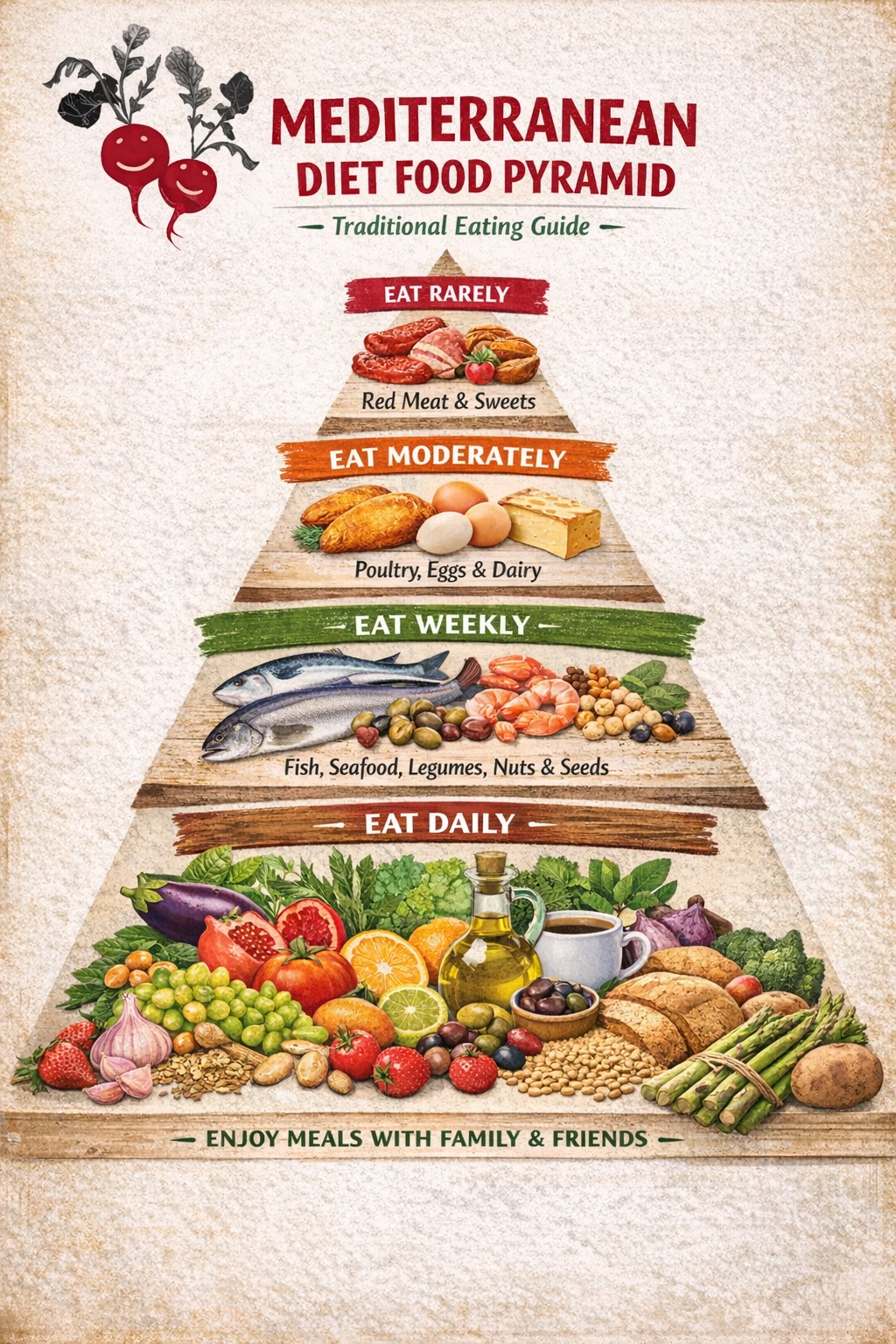
Foods You Eat on the Mediterranean Diet
The Mediterranean diet is flexible, but certain foods appear again and again. Here’s a list of food you simply must include on your shopping list.
We’ve also written an article giving some tips on what you should be looking out for in the shops: Unlocking the Power of the Mediterranean Diet: Protein-Rich Foods & Recipes
Mediterranean Diet Food List (At a Glance)
| Food Group | Examples |
| Vegetables | Tomatoes, peppers, courgettes, aubergine, spinach, onions |
| Fruit | Oranges, apples, figs, grapes, berries |
| Whole Grains | Wholewheat bread, rice, oats, barley |
| Legumes | Lentils, chickpeas, white beans |
| Healthy Fats | Extra virgin olive oil, olives, nuts, seeds |
| Fish & Seafood | Sardines, anchovies, tuna, hake, mussels |
| Dairy (Moderate) | Yoghurt, cheese (especially sheep & goat) |
| Meat (Limited) | Chicken, pork, rabbit; red meat occasionally |
| Herbs & Spices | Garlic, parsley, oregano, rosemary, paprika |
| Drinks | Water, coffee, herbal teas; wine in moderation |
Foods to Limit on the Mediterranean Diet
Nothing is strictly forbidden, but some foods are eaten less often.
Ultra-Processed Foods
Sugary snacks, packaged ready meals, processed meats, and refined oils don’t feature heavily in traditional Mediterranean cooking.
Red Meat & Sweets
Red meat is more of an occasional dish than a daily habit. Desserts are often fruit-based rather than sugar-heavy.
Why “Less” Matters More Than “Never”
The Mediterranean diet works because it’s realistic. You don’t need perfection — just better habits most of the time.
Can You Drink Alcohol on the Mediterranean Diet?
Alcohol isn’t a requirement of the Mediterranean diet, but moderate wine consumption — particularly red wine — is part of traditional Mediterranean eating patterns in countries like Spain, Italy, and Greece.
The key word is moderation.
How Alcohol Is Traditionally Consumed
- Usually wine, not spirits or sugary cocktails
- Drunk with meals, not on an empty stomach
- Enjoyed slowly, often socially
- Not consumed every day by everyone
Wine is treated as a food companion, not a focus. Discover more about Spanish wine in our Guide to Spanish Wine: Types, Tasting Notes, Food Pairings

Health Benefits of the Mediterranean Diet
The Mediterranean diet is one of the most researched eating patterns in the world. Decades of studies consistently link it to improved health, better quality of life, and lower risk of chronic disease — not because it’s restrictive, but because it’s balanced, satisfying, and sustainable.
Discover Olive oil nutrition facts and how it can benefit your health
Heart Health
The Mediterranean diet is best known for its powerful heart-protective benefits. Regular consumption of extra virgin olive oil, fatty fish, vegetables, and legumes helps support healthy cholesterol levels and reduces inflammation in the body.
Olive oil provides monounsaturated fats and antioxidants, while fish and seafood supply omega-3 fatty acids — both of which are associated with improved cardiovascular health. Combined with a diet naturally low in ultra-processed foods and refined sugars, this way of eating supports healthy blood pressure and overall heart function.
Weight Management Without Counting Calories
One of the biggest advantages of the Mediterranean diet is that it supports a healthy weight without calorie counting or restriction. Meals are built around fibre-rich vegetables, whole grains, protein, and healthy fats — a combination that promotes fullness and stable energy levels.
Could olive oil help you lose weight? Find out in our complete article.
Because food is satisfying and enjoyable, people are less likely to overeat or rely on constant snacking. The focus on mindful meals, proper portions, and eating slowly also plays a major role in long-term weight management.
Gut Health & Digestion
Gut health is another area where the Mediterranean diet shines. Vegetables, fruit, legumes, and whole grains provide a wide range of dietary fibres that feed beneficial gut bacteria.
Fermented dairy such as yoghurt, along with olive oil and polyphenol-rich foods, helps support a diverse and resilient gut microbiome. A healthy gut is closely linked to improved digestion, stronger immunity, and even better mood and mental clarity.
Longevity & Overall Wellbeing
People living in Mediterranean regions have long been associated with greater longevity and better quality of life. While food plays a central role, the broader Mediterranean lifestyle is just as important.
Regular movement, strong social connections, shared meals, outdoor living, and a relaxed relationship with food all contribute to lower stress levels and improved mental wellbeing. Together, these habits support not just a longer life — but a healthier, happier one.
The Mediterranean diet works because it nourishes both the body and the mind — making it one of the most sustainable ways to eat for long-term health.
How to Follow the Mediterranean Diet
This isn’t about cooking elaborate meals every day. Use ingredients that are in season and affordable, be flexible with recipe choices, and aim for a balanced diet featuring lots of fresh fruit and vegatables.
Mediterranean Diet for Beginners
Start with simple swaps:
- Use olive oil instead of butter (it’s much healthier and tastes better)
- Add vegetables to every meal
- Eat 2 pieces of fruit daily
- Eat fish twice a week
- Eat red meat once per week
- Replace processed snacks with fruit or nuts
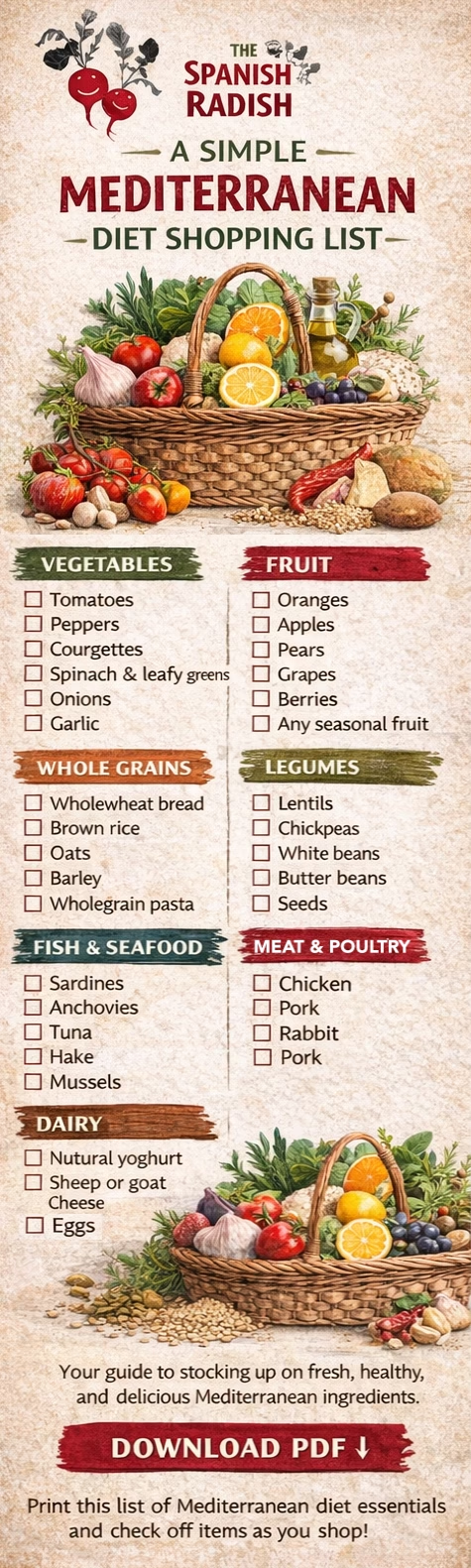
A Simple Mediterranean Diet Shopping List
Think fresh produce, pulses, fish, olive oil, and basic pantry staples — not “special” diet products.
- Spanish Pantry Staples (Secrets from a Spanish Kitchen)
- Discover The Top 10 Herbs Used in Spanish Cooking (Flavors, Health Benefits, Recipes)
- The 7 Most Used Spices in Spanish Cooking (Uses, Health Benefits, Recipes)
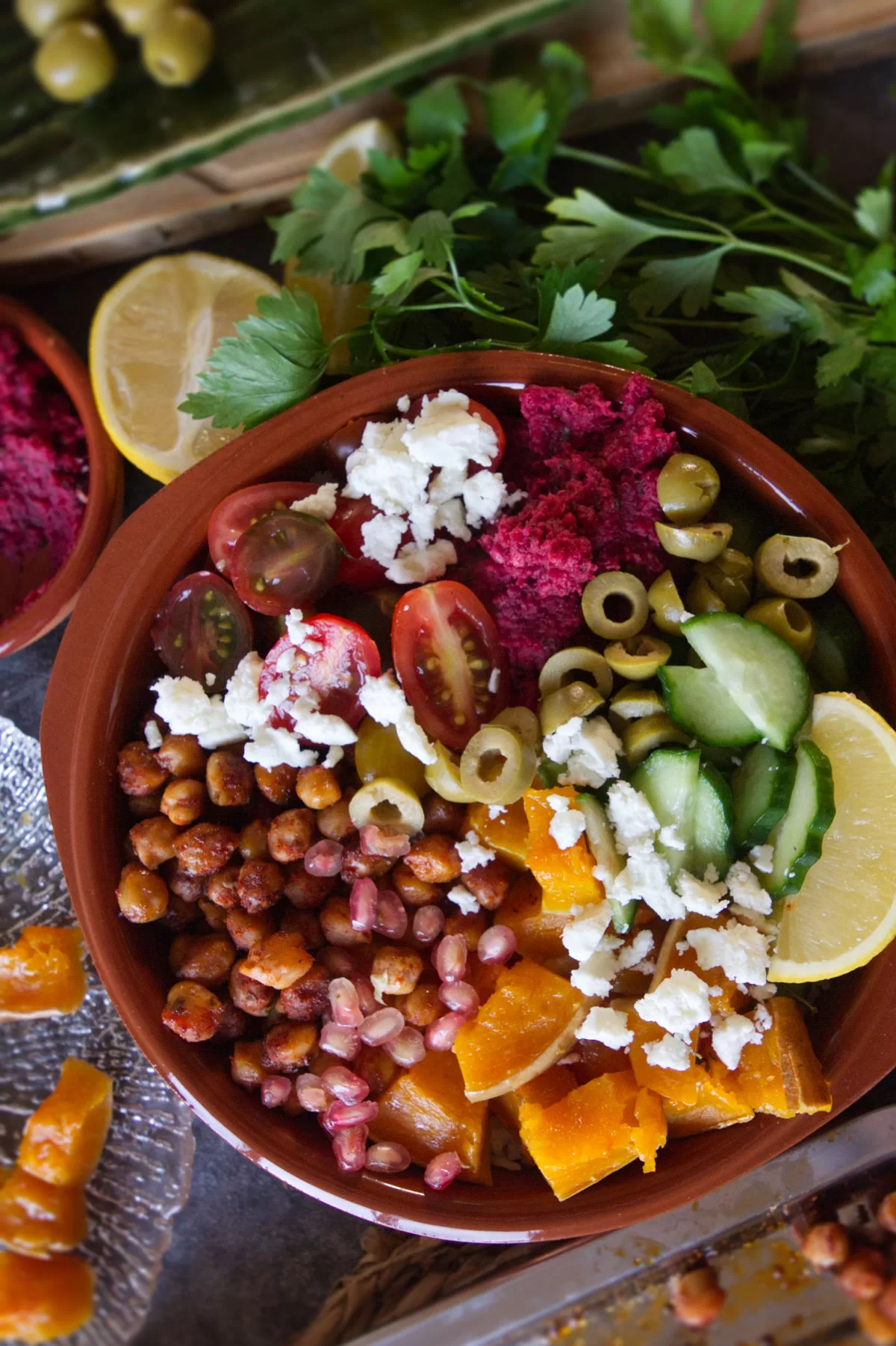
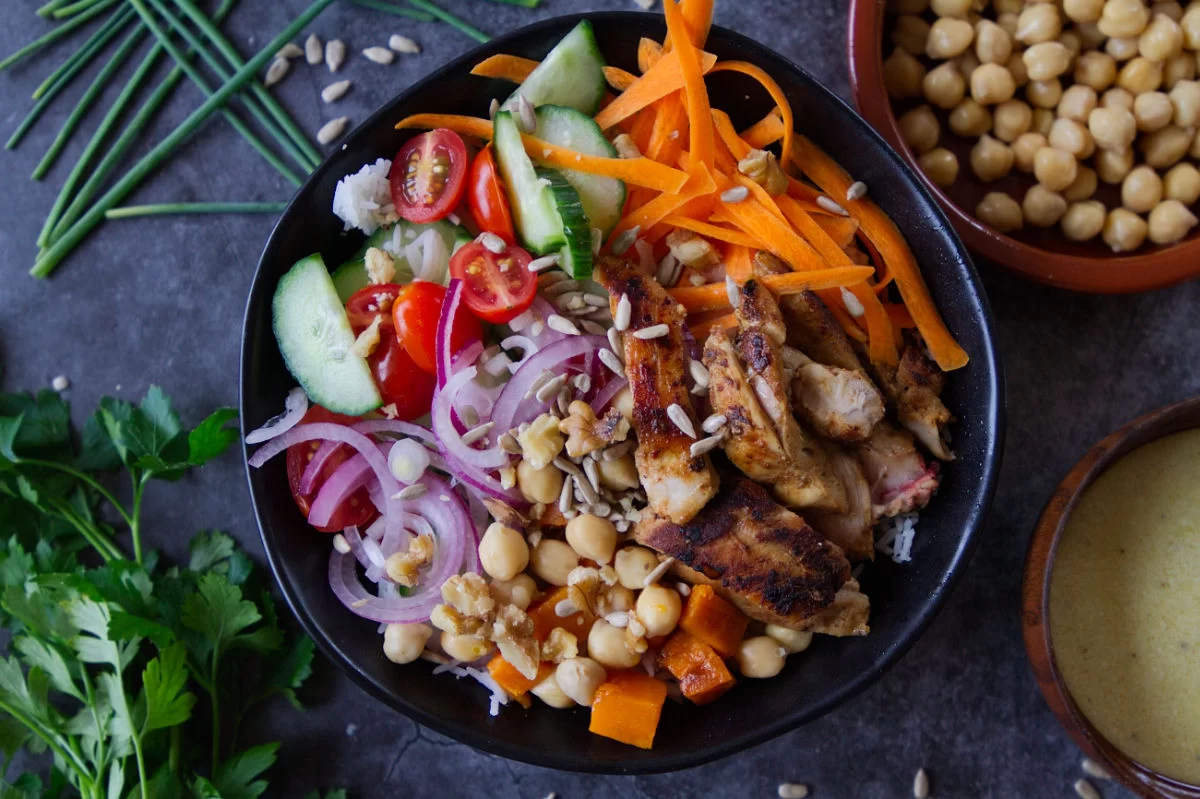
How to Build a Mediterranean Plate
- Half vegetables
- One quarter protein (fish, legumes, eggs)
- One quarter whole grains
- Olive oil on top
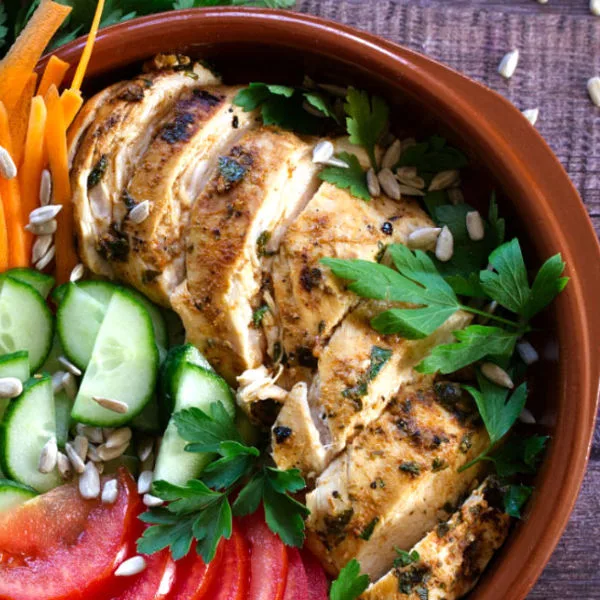
Grilled Med Chicken Breast
with a tangy marinade
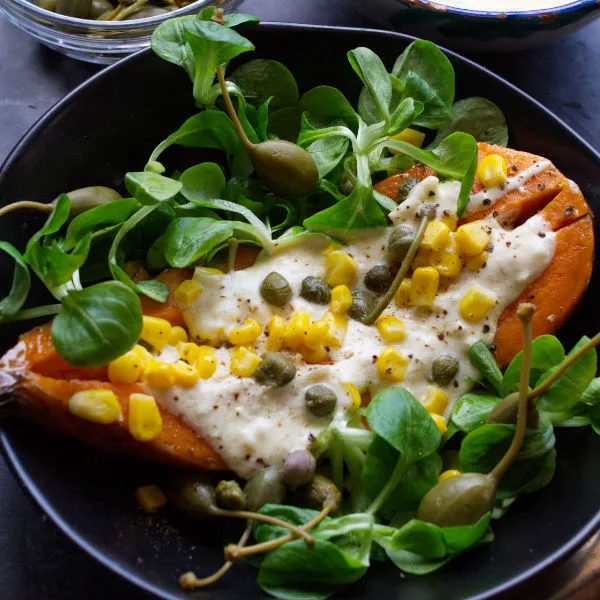
Baked Sweet Potatoes with Lemon and Thyme
and a tangy Natural Yogurt dressing
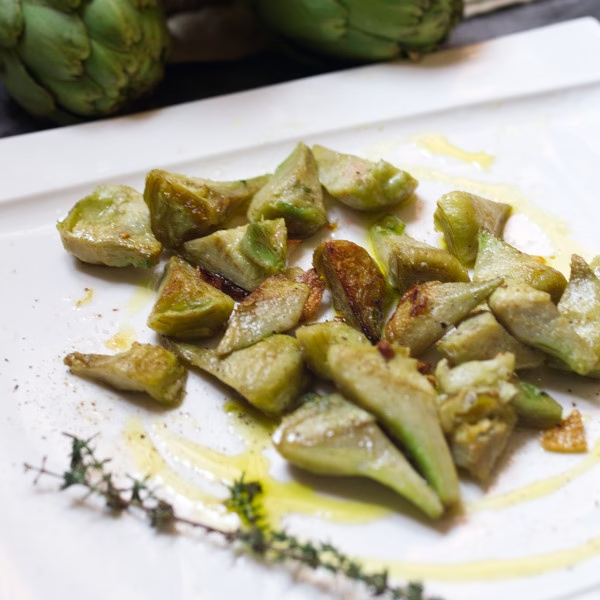
Pan-Fried Artichokes
Alcachofas Salteadas al Limón
Mediterranean Cooking Methods — Flavour First, Fuss Last
Mediterranean food celebrates simplicity and bold, natural flavours. Whether you’re grilling, roasting, stewing, or gently sautéing in olive oil, the goal is always the same: let great ingredients shine. 🌿🫒
🔥 Grilling & Smoke‑Kissed Flavours
Open‑fire or high‑heat cooking brings out sweet, charred notes in meat, seafood, and veg. A simple Spanish‑style marinade can elevate chicken (and other proteins) in no time — perfect for the grill or BBQ. Try:
- Grilled Mediterranean Chicken Breasts — Juicy grilled Mediterranean chicken breasts cooked to perfection with a delicious (and easy to make) marinade made with a few simple pantry staples. This no-fuss recipe uses a marinade made with fresh lemon, paprika, garlic, oregano, extra virgin olive oil, and plenty of fresh parsley to flavor the breast meat.
- Spanish Pork Tenderloin with garlic and sherry – Solomillo al Ajo y Jerez — A classic recipe from Andalusia region of Spain. Delicious and easy to make when pan-fried on a high heat.
🔥 Roasting — Deep, Golden, Caramelized
Roasting is ideal for hardier vegetables and whole proteins: it softens them and concentrates their flavour. Oven roasted dishes pair beautifully with salads or fresh bread.
- Catalan Roasted Vegetables (Escalivada Catalana) — simple veg roasted until soft and smoky.
- Pescado al Horno (Easy Roasted Fish Spanish‑Style) — classic roast fish with Mediterranean flair.
- One-Pan Roasted Mediterranean Vegetables — With just a few pantry staples, 5 minutes of prep, and a single tray, you’ll have perfectly roasted chickpeas and veggies bursting with smoky paprika, rosemary, and rich olive oil.
🍲 Stewing & Slow Cooking — One‑Pot Comfort
Long, gentle heat melds herbs, spices, and liquids into incredibly flavourful dishes. One‑pot cooking also simplifies cleanup!
- Spanish Chicken Stew (Pollo Guisado) — tender chicken in a rich, savoury broth.
- Smoky Spanish Chorizo Stew with Spinach and Chickpeas — hearty, paprika‑rich comfort food.
- Spanish Salmon Stew — A hearty one-pot seafood dish with salmon, shrimp, paprika, and saffron.
🍳 Sautéing Gently in Olive Oil — Quick & Bright
A quick sauté wakes up herbs, garlic, and light proteins while preserving texture and vibrancy. This method is ideal for sauces or quick tapas starters.
- Romesco Sauce — super‑easy, nutty Mediterranean sauce perfect with vegetables, fish, or grilled meats.
- Artichokes with Garlic & Lemon – Alcachofas Salteadas al Limón — A quick Spanish tapa that’s crisp, fresh, and ready in 20 minutes.

Romesco Sauce
Goes with Everything | 10-Minute Recipe
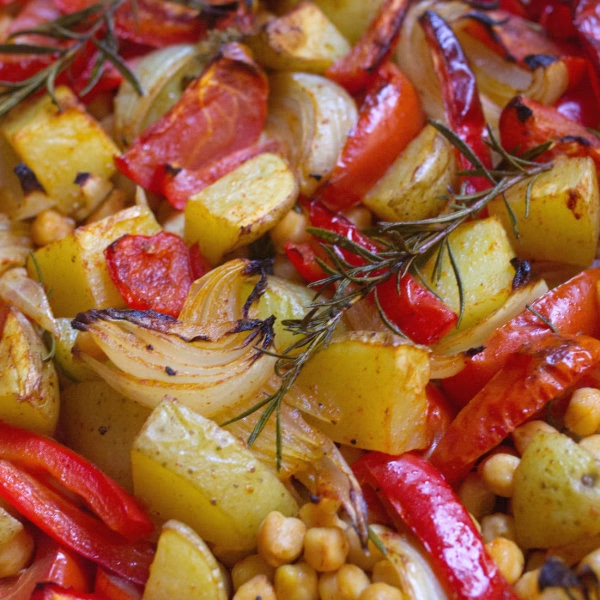
Roasted Mediterranean Veggies
Vegan | One-Pan Recipe
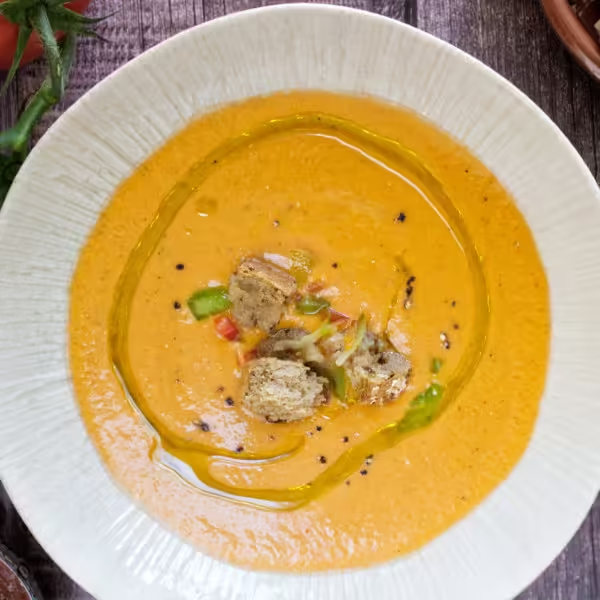
Gazpacho Andaluz
Delicious Cold Soup | Vegan
What a Typical Mediterranean Day of Eating Looks Like
Breakfast
Toast with olive oil and tomato, yoghurt with fruit, or eggs with vegetables. Or how about a perfectly poached egg with some sauteed spinach and mushrooms? Breakfast is the meal to bring the body to life and you’ll need plenty of fresh, healthy ingredients to help get you through a busy day!
Breakfast Recipe ideas:
- Spanish Pan Con Tomate – Pa amb Tomàquet
- Poached Eggs with Spinach & Mushrooms on Toast – Healthy Breakfast Ideas
- Mackerel & Guacamole on Toast – Healthy Breakfast Ideas
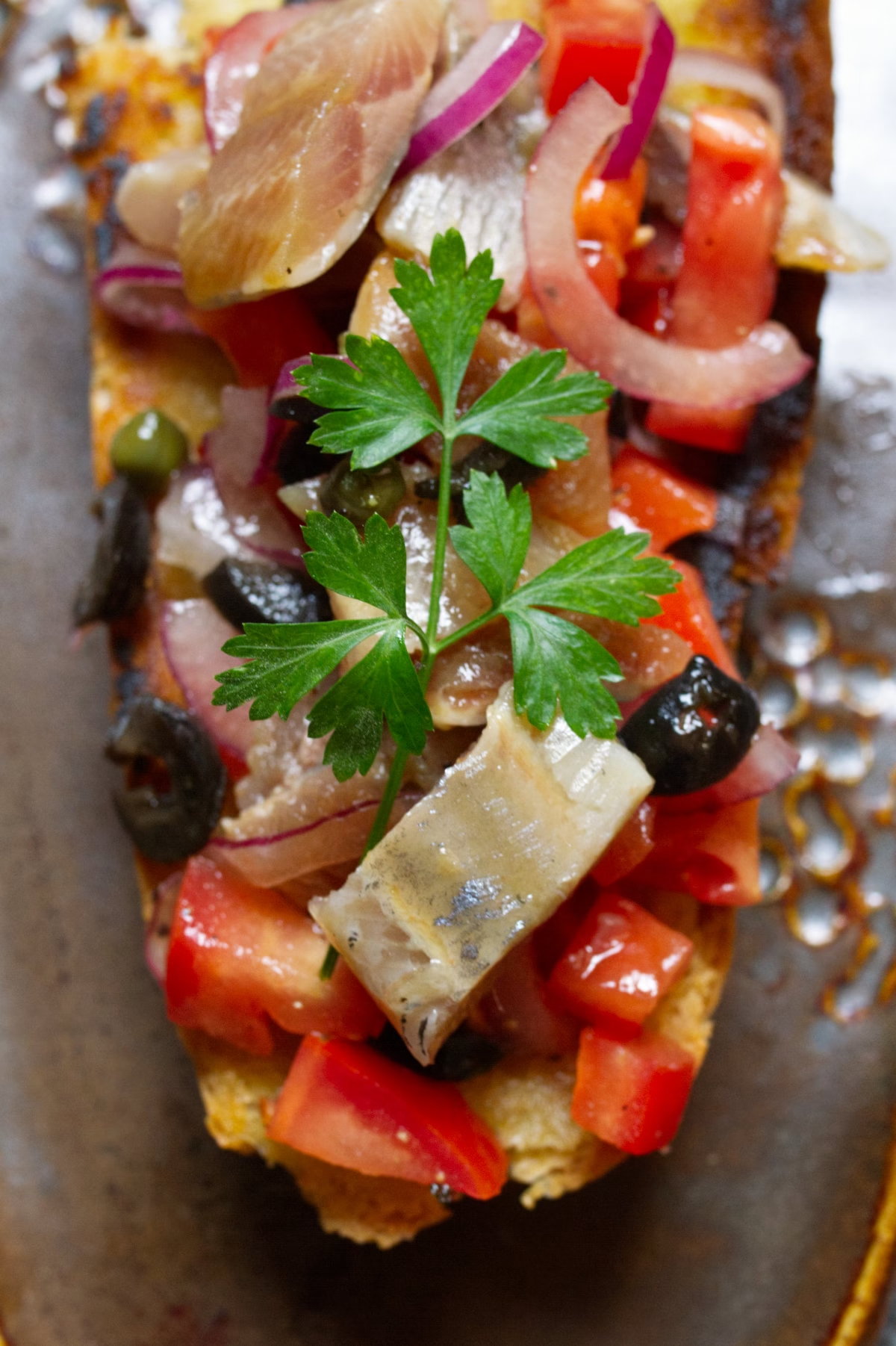
- Spanish Sardine toast with tomato, caper, and olive
- Mushroom on Toast with Fennel and Red Onion
Lunch
Often the main meal: legumes, fish, vegetables, bread, and fruit for dessert. Here in Spain, lunch is much more than a sad-sandwich or soggy lunchbox salad – instead think homecooked and nutritious meals that will keep the body fuelled for hours and reduce the temptation for snacking between lunch and dinner.
Lunch Recipe ideas:
- Spanish Spinach and Chickpeas
- One-Pot Sweet Potato Stew with Chickpeas and Spinach
- Butter Bean Salad with Capers and Feta
- Vegan Butter Bean Stew
- Mediterranean Veggie Skewers with a Yogurt and Paprika Marinade
Dinner
Lighter and simpler — soup, tortilla, salad with protein. We usually eat dinner quite late in Spain, especially during the summer. With this in mind, dinner is usually a much lighter meal, and a soup, or salad, or even a few tapas shared with friends is ideal.
Dinner Recipe Ideas:
- Spanish-Style White Bean Dip with Caramelized Onion
- 5-Minute Mediterranean White Bean Salad & Tangy Salad Dressing
- Seafood Soup – Sopa de Mariscos
- Spanish Gazpacho Andaluz
- Spanish Garlic Soup Recipe
Snacks & Coffee Culture
Fruit, nuts, yoghurt, and coffee enjoyed slowly, often socially.
The Mediterranean Diet in Spain
Spain is one of the best living examples of the Mediterranean diet in action — vibrant, seasonal, and full of flavour. It’s not just a way of eating; it’s a lifestyle that balances nutrition, culture, and enjoyment.
🍅 Traditional Spanish Mediterranean Foods
The Spanish table is a celebration of fresh, local ingredients:
- Gazpacho – a chilled tomato and vegetable soup, perfect for summer.
- Lentejas – hearty lentil stews that are protein-packed and comforting.
- Grilled Fish – simple, fresh, and olive-oil kissed.
- Tortilla Española – the classic potato and egg omelette, a staple of Spanish homes.
- Seasonal Vegetables & Fruits – tomatoes, peppers, oranges, and berries appear frequently. We’ve got a seasonal guide on what fruit and veg to buy in each month!
- Fruit-Based Desserts – from fresh fruit to light compotes and tarts. Check out this amazing Apple tart recipe while you’re looking for inspiration!
🥘 Tapas Culture & Portion Control
Spain’s tapas culture is more than just fun dining — it’s a lesson in moderation and variety. Small plates encourage:
- Sharing with friends and family.
- Trying multiple flavours without overindulging.
- Balanced nutrition by combining proteins, vegetables, and healthy fats in small doses.
Try these tapas recipes for a healthy Mediterranean experience at home:
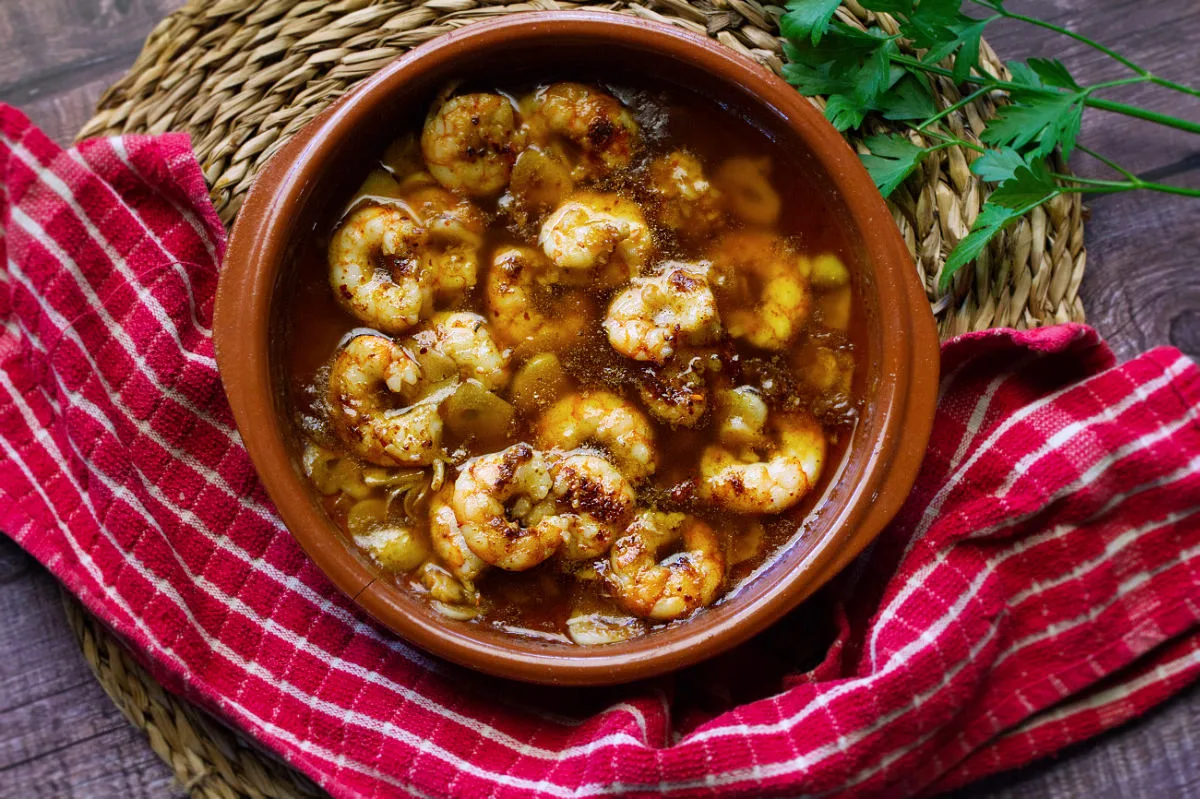
- Gambas al Pil Pil Tapas Recipe (Garlic Prawns with Chili)
- Easy Spanish Tomato Salad – Ensalada de Tomate
- Butter Bean Salad with Capers and Feta Cheese (Easy 10-Minute Recipe)
- Spanish Garlic Zucchini (Calabacin al ajillo)
🏠 Why Home Cooking Still Matters
Despite modern convenience, cooking from scratch is still central to Spanish life. Daily menus are planned around fresh market produce, seasonal ingredients, and simple preparation. Benefits include:
- Maintaining control over ingredients and portion sizes.
- Encouraging family meals and social dining.
- Preserving traditional techniques that enhance flavour and health.
Common Mediterranean Diet Myths
“It’s Too Expensive”
Seasonal vegetables, legumes, and local fish are often cheaper than processed foods.
“You Have to Eat Fish Every Day”
Fish is important, but legumes and eggs also play a big role.
“It’s Just Olive Oil on Everything”
Olive oil matters — but so do vegetables, balance, and cooking methods.
Frequently Asked Questions
Is the Mediterranean diet good for beginners?
Yes. It’s one of the easiest diets to follow because it’s flexible, satisfying, and doesn’t require strict rules.
Can you eat pasta on the Mediterranean diet?
Absolutely — especially whole-grain pasta, paired with vegetables, olive oil, and moderate portions.
Is wine allowed on the Mediterranean diet?
Wine is traditionally consumed in moderation, usually with meals — but it’s optional, not essential.
How quickly do you see benefits?
Many people notice better energy and digestion within weeks, but the biggest benefits come from long-term consistency. The Mediterranean diet is more a lifestyle choice that offers health benefits in the long-term.