
Spanish Pork Tenderloin with Smoked Paprika
Easy One-Skillet Pork Recipe
Last updated: June 12, 2026
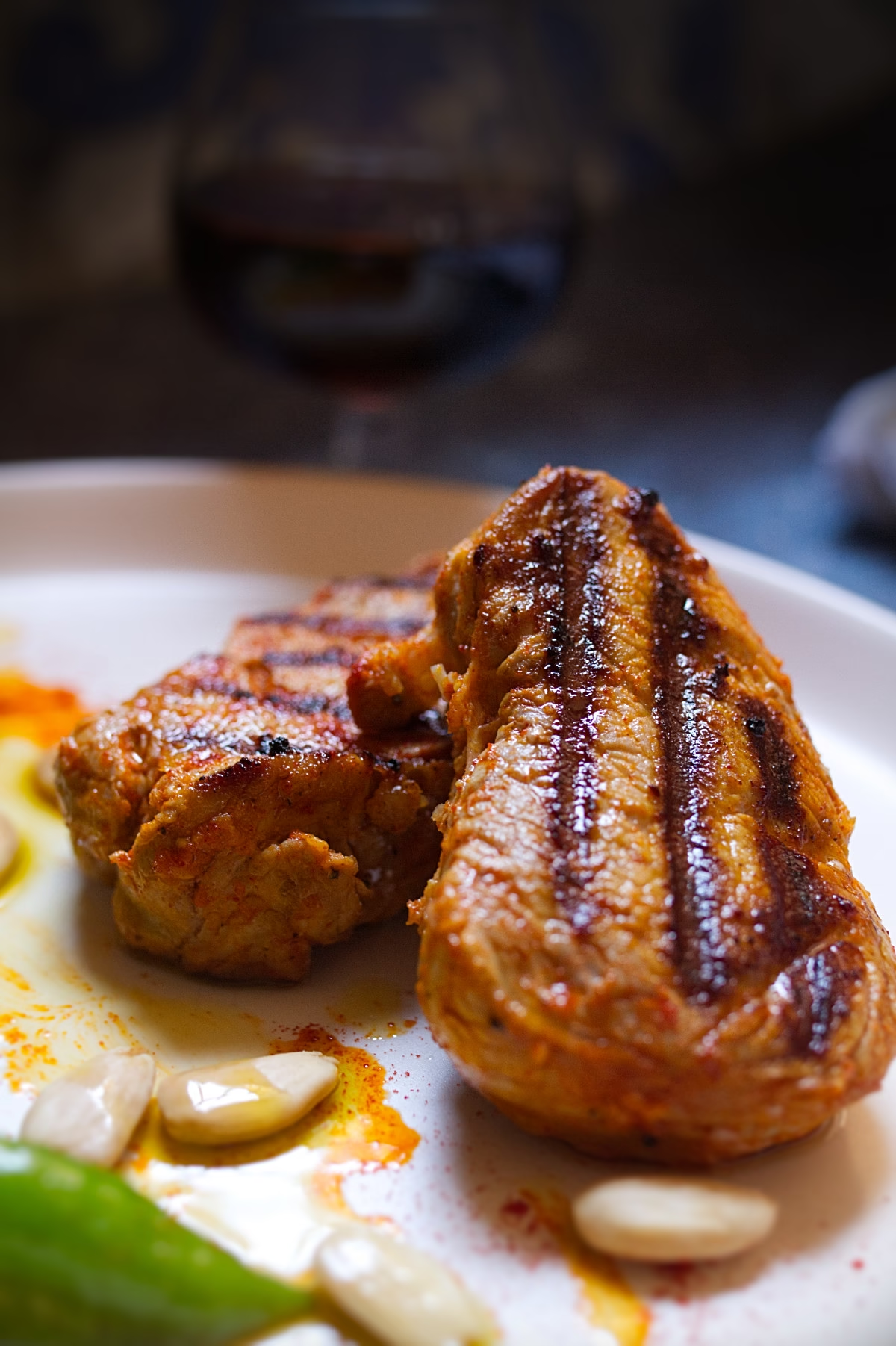
Pork Tenderloin in a Smoked Paprika Marinade is an easy one skillet recipe that’s ideal for busy weeknight meals.
This recipe embraces classic Spanish flavors to make a bold pork marinade that’s quick and easy to make. It can be made in the skillet, and is the kind of recipe that’s super easy to make and yields exceptional results that enhance the delicate flavor of pork tenderloin.
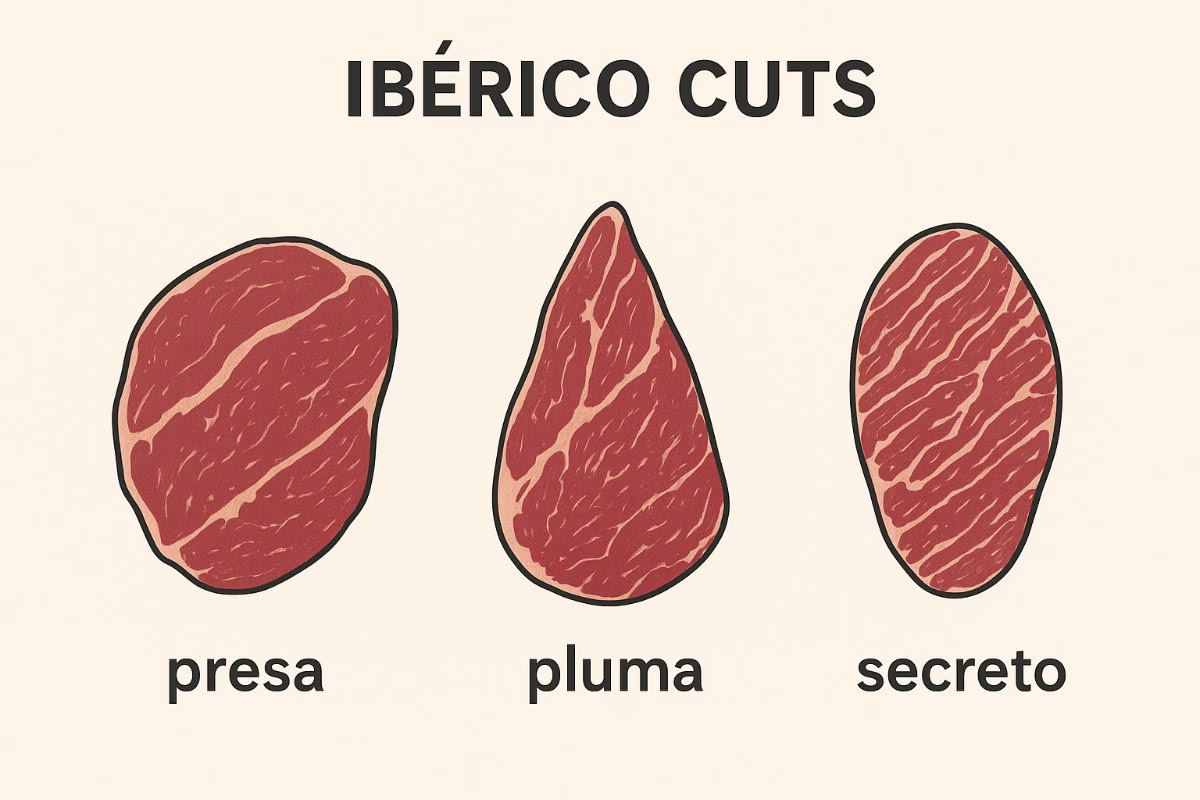
While this recipe is designed for pork tenderloin (solomillo de cerdo), adventurous cooks can also use premium Spanish cuts such as Presa Ibérica for an even richer result.
We’ve got over 100 Spanish Main meal recipes on our food blog, all with easy-to-follow instructions and most are ready in under an hour. Come check them out!
This post may contain affiliate links.
Serving:
Main for 4
Ready in:
Under 1 Hour
Skill level:
Easy
Serve with:
Rice, Salads, Veg, Potatoes
Watch step-by-step recipe video
🎥 Prefer to watch? Check out the Spanish Pork Tenderloin with Smoked Paprika Step-by-step video recipe guide here, or click on the thumbnail below to watch the video on our YouTube Channel.
Why You’ll Love This Recipe
- Ready in under an hour
- Uses just one skillet
- Authentic Spanish flavors
- Perfect for weeknight dinners
- Great with Ibérico pork or regular pork tenderloin
- Naturally low carb and high protein
Recipe At A Glance
|
Prep Time |
10 mins |
|
Marinating |
30 mins |
|
Cook Time |
12 mins |
|
Total Time |
52 mins |
|
Servings |
2-4 |
|
Difficulty |
Easy |

How to Make Pork Tenderloin in a Smoked Paprika Marinade
🛒 Ingredients
- 500g (1.1 lb) pork tenderloin (solomillo in Spanish)
- 1 tsp Spanish La Vera smoked paprika
- Extra Virgin Olive Oil
- Lemon Juice from 1 lemon (or sherry vinegar)
- Salt and pepper to taste
Garnish and sides
- 1 Tbsp Blanched almonds, toasted and lightly crushed.
- Pan-seared green peppers (Green Italian peppers or Padron Peppers)
Equipment
- Small bowl
- Wooden cutting board
- Chef knife
- Cooking Tongs
- Large skillet or pan

Instructions
Step 1 – Marinate Pork
- Cut the pork tenderloin into 1-inch thick slices. Add to a small bowl.
- Combine all ingredients into the small bowl and mix well until the pork is evenly covered in the marinade.
- Check flavoring and season to taste with salt and pepper.
- Cover bowl with kitchen wrap and refrigerate for at least 30 minutes
Step 2 – Pan-Fry Pork
- Add a splash of olive oil to a hot skillet on medium-high heat.
- Add each pork fillet and cook for around 5-6 minutes per side (around 10-12 minutes in total for medium-rare).
- Set cooked pork aside to rest for 2-3 minutes (move onto step 3).
- Drain off any cooking juices for use later.
Step 3 – Pan-Fry the Green Peppers
- While the skillet is still hot, add the halved green peppers and cook for around 2-3 minutes per side.
- Use a heavy iron plate to apply grill marks for extra presentation points!
Step 4 – Serve
- Serve the cooked pork beside the green peppers and drizzle the pork with any leftover cooking juices.
- Roughly chop a few toasted almonds and sprinkle over the pork.
- Serve immediately while hot.

Serving Suggestions:
- Patatas Bravas: Crispy potatoes with smoky paprika sauce and garlicky aioli. A Spanish classic that echoes the paprika in your pork.
- Patatas Panaderas: Oven-Roasted Spanish Potatoes)
- Ensalada Verde: A light green salad with bitter leaves, orange slices, and a sherry vinegar dressing – adds freshness and acidity to cut through the richness.
Storage and Reheating
Refrigerator: Store leftover cooked pork in an airtight container for up to 3 days.
Freezer: Freeze cooked pork for up to 2 months. Thaw overnight in the refrigerator before reheating.
You can also freeze the uncooked pork in the marinade for a convenient make-ahead meal.
Best Way to Reheat
The best method is to gently warm the pork in a skillet over medium heat with a splash of olive oil or a little water to prevent it drying out.
Avoid overheating, as lean cuts such as pork tenderloin can become tough.
Can You Microwave It?
Yes, but use short intervals at medium power and cover the meat to help retain moisture. Microwaving for too long can dry out the pork.

Ingredient Notes
Pork Tenderloin
Pork tenderloin, known as solomillo de cerdo in Spain, is one of the leanest and most tender cuts of pork. It cooks quickly and readily absorbs marinades, making it ideal for this recipe.
Pork Tenderloin vs Pork Loin vs Presa Ibérica
Pork Tenderloin
- Long, narrow, and very lean.
- Extremely tender with a mild flavor.
- Best for quick cooking methods like pan-frying or grilling.
Pork Loin
- Larger and thicker than tenderloin.
- Lean but slightly firmer in texture.
- Better suited to roasting or slicing into chops.
Presa Ibérica
- A premium cut from the shoulder area of the Ibérico pig.
- Richly marbled with intramuscular fat.
- Delivers exceptional juiciness and a distinctive nutty flavor thanks to the traditional acorn-rich diet of many Ibérico pigs.
If you can source Presa Ibérica, it makes a spectacular upgrade for this recipe.
Spanish Smoked Paprika
The type of paprika you choose can subtly change the final flavor of the dish.
Pimentón Dulce
- Mild and sweet.
- The best all-round choice for this recipe.
Pimentón Agridulce
- Slightly smoky with gentle warmth.
- Adds extra complexity without making the dish spicy.
Pimentón Picante
- Smoky with noticeable heat.
- Ideal if you enjoy a little spice.
Sherry Vinegar vs Lemon Juice
Both ingredients provide acidity that balances the richness of the pork. Use one, or both.
Sherry Vinegar
- More traditionally Spanish.
- Adds nutty, slightly sweet, and complex flavors.
- Excellent for deeper, more savoury marinades.
Fresh Lemon Juice
- Brighter and lighter.
- Adds freshness and helps tenderize the meat.
- A great option for quick weeknight cooking.
If you want a more authentic Spanish flavor profile, sherry vinegar is the best choice. For a fresher, lighter finish, use lemon juice.

A Taste of Spain at Home
One of the wonderful things about Spanish cooking is that it often relies on just a handful of quality ingredients prepared with care. A good cut of pork, excellent extra virgin olive oil, authentic La Vera smoked paprika, and a splash of sherry vinegar are enough to create a meal that feels unmistakably Spanish.
This simple skillet recipe celebrates those traditions, bringing together some of the country’s most iconic ingredients in a dish that’s easy enough for a weeknight dinner yet rooted in centuries of culinary heritage.

Discover more Spanish cooking secrets and pantry staples in our complete guide: Spanish Pantry Staples (Secrets from a Spanish Kitchen)
Pork in Spanish Cooking
Pork has long been one of the foundations of Spanish cuisine. From simple village kitchens to Michelin-starred restaurants, it appears in countless regional dishes and traditional celebrations. Whether it’s a rustic pork stew, a plate of jamón ibérico, smoky chorizo, or grilled presa cooked over open coals, pork is deeply woven into Spain’s culinary identity.
For centuries, Spanish families have embraced a simple philosophy: use every part of the animal and waste nothing. This tradition gave rise to a remarkable variety of cured meats, sausages, and slow-cooked dishes that remain staples of Spanish gastronomy today.
Why Pork Solomillo (Tenderloin) is Perfect for This Recipe
In Spain, pork tenderloin is known as solomillo de cerdo, one of the most prized everyday cuts of pork thanks to its tenderness, delicate flavor, and versatility. Found on menus throughout the country, solomillo is often grilled, pan-seared, or cooked in rich sauces, making it a staple ingredient in both traditional Spanish cooking and modern Mediterranean cuisine.
What is Pork Solomillo?
Solomillo is the Spanish word for tenderloin, a premium cut that is naturally lean with very little connective tissue. Pork tenderloin comes from a long, narrow muscle that runs along the backbone of the pig. Because this muscle does very little work, the meat remains exceptionally tender and lean, requiring only a short cooking time to achieve excellent results.
A whole pork tenderloin usually weighs between 400-600g (14-20 oz), making it ideal for feeding two to four people.
Why Pork Tenderloin Works So Well with a Smoked Paprika Marinade
One of the biggest advantages of pork tenderloin is its mild flavor. Rather than overpowering the seasonings, the meat acts as the perfect canvas for bold Spanish ingredients such as La Vera smoked paprika, extra virgin olive oil, garlic, and sherry vinegar.
The marinade enhances the natural sweetness of the pork while creating a beautifully caramelized crust as it cooks. The smoky paprika adds warmth and depth, while the acidity from lemon juice or sherry vinegar helps balance the richness of the meat.
Because pork tenderloin is relatively lean, it also absorbs marinades quickly. Around 30 minutes is usually enough to infuse the meat with plenty of flavor.
A Simple Cut with Deep Spanish Roots
Spanish cooking often proves that a handful of quality ingredients is all you need. Pork solomillo, authentic La Vera smoked paprika, good olive oil, and a splash of sherry vinegar come together to create a dish that is simple, rustic, and unmistakably Spanish.
It’s one of those recipes where the quality of the ingredients does most of the work, delivering bold Mediterranean flavors with very little effort.
Discover How to Cook Spanish Pork Tenderloin (Cerdo Solomillo)

Expert Tips: What is Presa Iberica?
For those looking to go the extra mile, I suggest sourcing gourmet Presa Ibérica, a prized cut of pork from the Ibérico pig (cerdo ibérico), a native breed from Spain and Portugal.
While Jamón Ibérico may be Spain’s most famous pork product, these fresh cuts have become increasingly popular among chefs and home cooks looking to showcase the exceptional quality of the meat.
It’s a well-marbled, relatively thick cut (about 1–1.5 inches), considered one of the most flavorful parts of the Ibérico pig.
Because Ibérico pigs are often fed acorns (bellota) during the montanera season, the meat develops a rich, nutty flavor and high intramuscular fat content, similar to wagyu beef but with a distinct pork character.
🛒 Buy ibérica pork online: Sustainably Raised Spanish Ibérico Pork Shoulder, Gourmet Pork Tenderloin Cuts – 5 Pack (3.75lbs)
What other cuts of pork can be used to make this recipe?
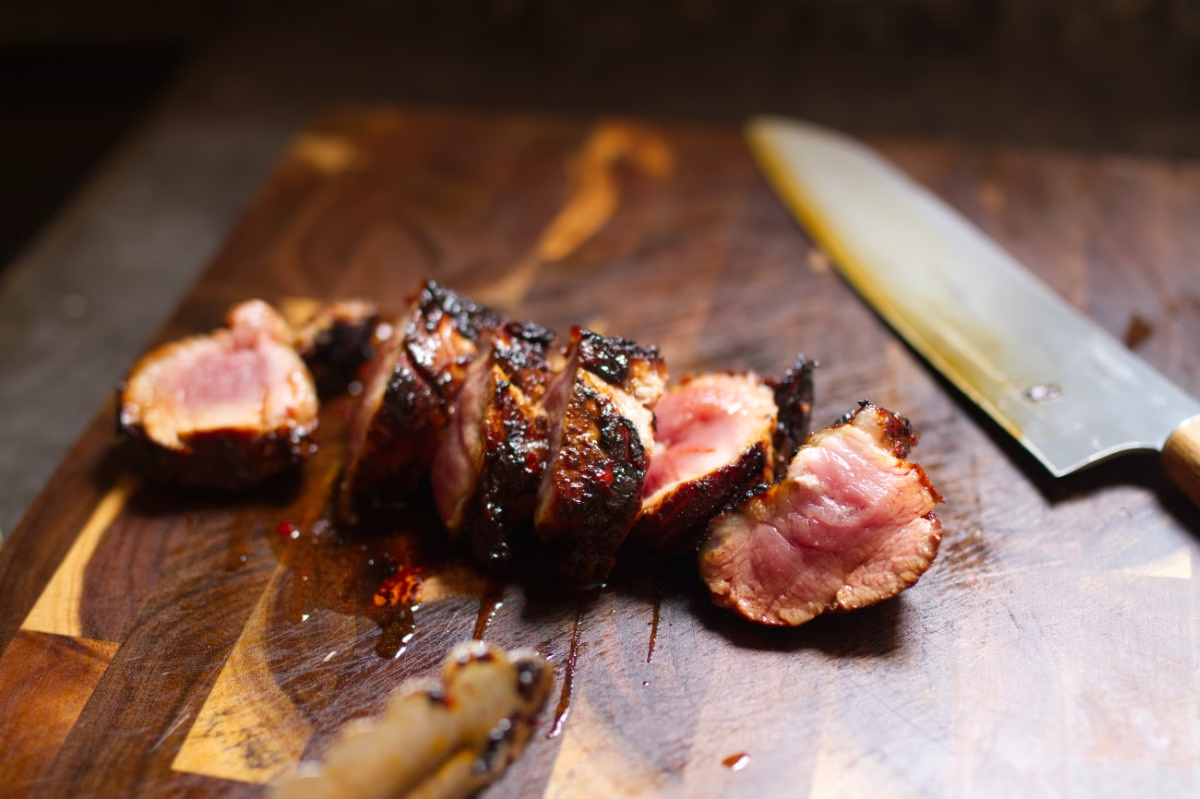
If you can’t get presa, here are some substitutes depending on cooking method:
- Pluma ibérica – very tender, triangular cut from the end of the loin; similar fat content.
- Secreto ibérico – thin, marbled cut from near the shoulder; cooks quickly, very juicy.
- Pork collar (coppa / cabecero de lomo) – richly marbled, close in texture and flavor, more common outside Spain.
What is La Vera Smoked Paprika?
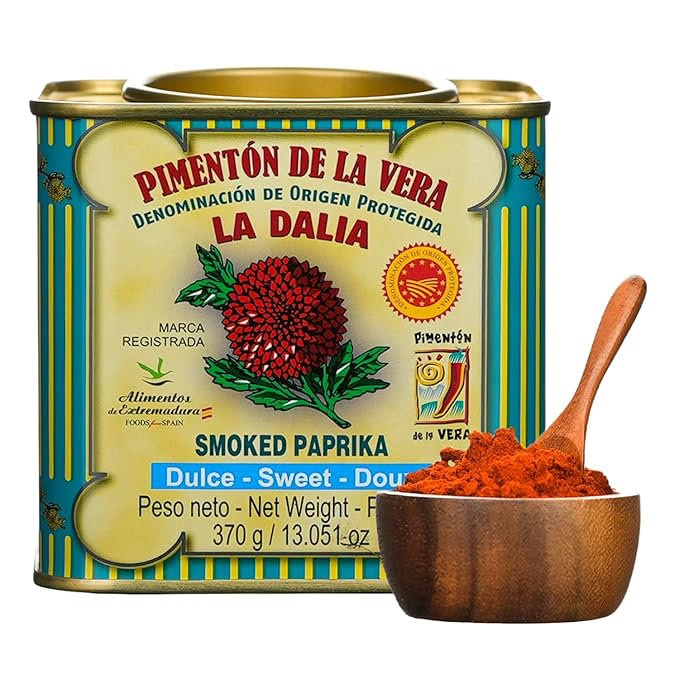
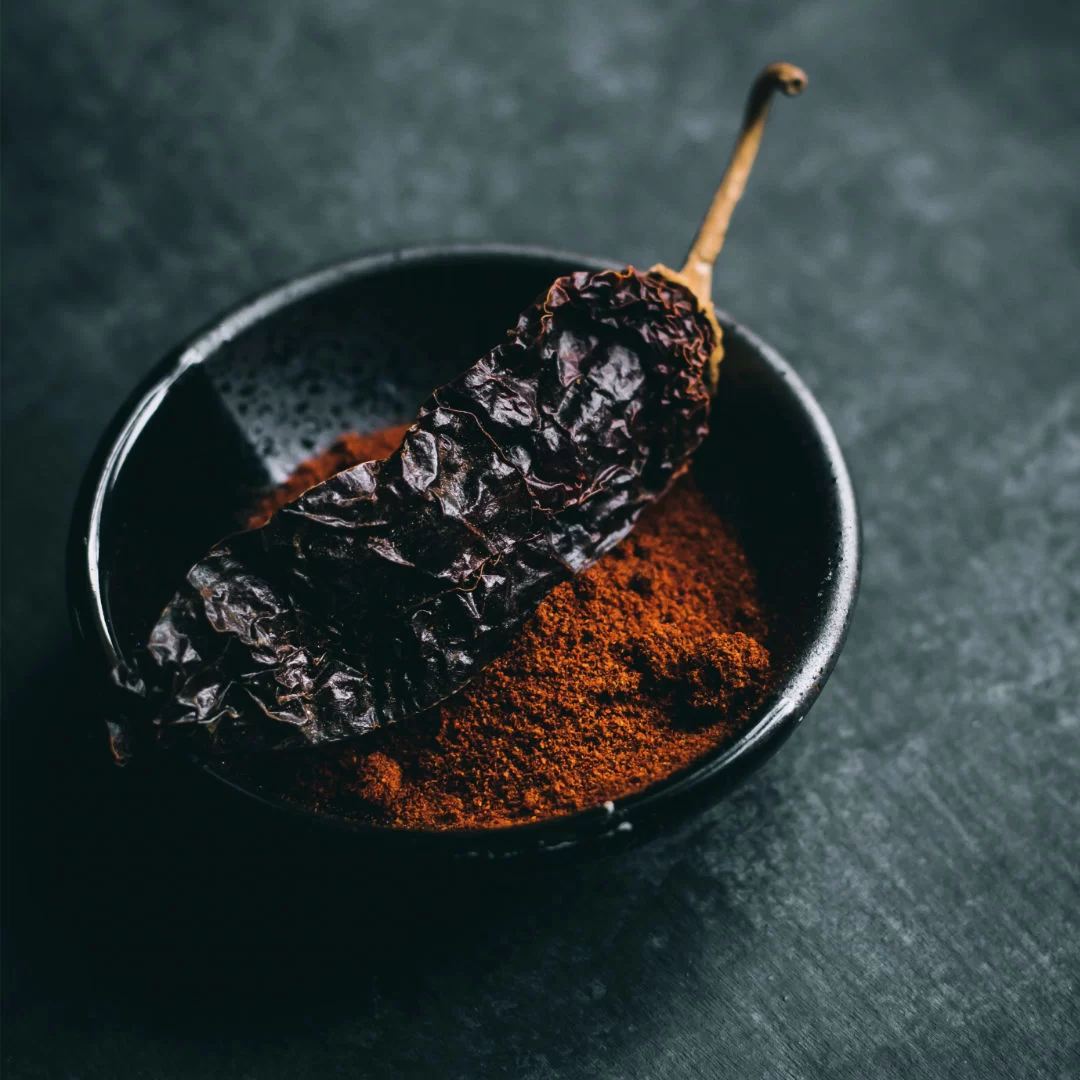
La Vera Smoked Paprika (Pimentón de la Vera) is one of Spain’s most iconic seasonings and a cornerstone ingredient in traditional Spanish cooking. Produced in the La Vera valley in the province of Cáceres, Extremadura, this vibrant red spice is made by drying ripe peppers over slow-burning oak wood fires before they are ground into a fine powder.
Protected Designation of Origin (DOP)
Pimentón de la Vera is protected by a Denominación de Origen Protegida (DOP), ensuring it is produced according to strict traditional methods within the La Vera region. This protected status guarantees authenticity, quality, and the distinctive smoky flavor that has made it famous around the world.
The Traditional Oak Wood Smoking Process
Unlike ordinary paprika, La Vera peppers are slowly smoked over holm oak and evergreen oak fires for around two weeks. The peppers are carefully turned by hand throughout the drying process, allowing them to develop their characteristic deep red color and unmistakable smoky aroma. Once dried, they are stone-ground into a silky powder.
The Three Main Varieties
Pimentón Dulce (Sweet Smoked Paprika)
The mildest variety, offering rich smoky notes with a gentle sweetness and no heat. It’s perfect for pork, chicken, and roasted vegetables.
Pimentón Agridulce (Bittersweet Smoked Paprika)
A balanced paprika with a subtle warmth and slightly bittersweet finish. This versatile variety adds depth and complexity to stews, rice dishes, and grilled meats.
Pimentón Picante (Hot Smoked Paprika)
Made from hotter pepper varieties, this version delivers the same smoky flavor with a pleasant kick of heat. Use sparingly if you prefer milder dishes.
Why Does Smoked Paprika Work So Well with Pork?
Pork naturally has a delicate sweetness and a generous amount of fat, especially in well-marbled cuts such as Presa Ibérica. The smoky character of La Vera paprika enhances the meat’s richness, while its earthy, slightly sweet flavor helps create a beautifully caramelized crust during cooking. It’s a classic Spanish pairing found in everything from chorizo sausage to grilled pork dishes throughout the country.
Expert Tips
- Don’t over-marinate if using lemon juice. The acid can begin to change the texture of the meat if left for several hours. Thirty minutes to one hour is ideal.
- Bring the pork to room temperature before cooking. Let the meat sit out for 15-20 minutes before it goes into the pan for more even cooking.
- Use an instant-read thermometer. Pork tenderloin is perfectly cooked when the thickest part reaches 63°C (145°F), followed by a short resting period.
- Rest the meat before serving. Allow the pork to rest for 3-5 minutes so the juices redistribute throughout the meat.
- Avoid overcrowding the skillet. Cook in batches if necessary to ensure the pork sears properly rather than steams.
- Use a heavy cast-iron skillet if possible. The higher heat retention helps create a beautiful caramelized crust.
Toast the almonds before serving. A few minutes in a dry pan will bring out their natural oils and add even more flavor.
Recipe Variations
This Spanish smoked paprika marinade works beautifully with several different cuts of meat.
- Presa Ibérica – The ultimate version of this recipe. The marbling creates an incredibly juicy result with a rich, nutty flavor.
- Secreto Ibérico – A thin, highly marbled cut that cooks very quickly and develops excellent caramelization in a hot skillet.
- Pork Collar (Coppa) – Rich and full of flavor, pork collar is an affordable alternative that remains wonderfully tender.
- Pork Chops – Boneless or bone-in pork chops both work well. Simply adjust the cooking time according to thickness.
- Chicken Thighs – Skinless boneless chicken thighs absorb the smoky marinade beautifully and are ideal for an easy family dinner.
- Grilled Instead of Pan-Fried – Cook the marinated pork over charcoal or on a gas grill for even more smoky flavor. Grill over medium-high heat until the internal temperature reaches 63°C (145°F).
Smoked paprika Vinaigrette Recipe:
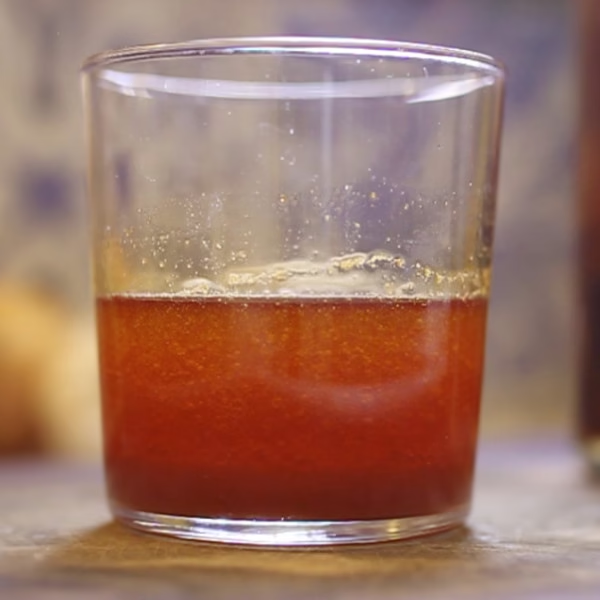
Looking for more ways to use smoked paprika? Check out our Smoked Paprika Vinaigrette recipe, ideal for grilled meats, chicken, veggies, and salads.
Spanish Wine and Sherry Pairings
This dish combines smoky paprika, rich pork, toasted almonds, and the bright acidity of lemon juice or sherry vinegar. Medium-bodied Spanish reds and dry, nutty sherries are excellent companions.
🍷 Spanish Wine Pairings
- Ribera del Duero (Tempranillo) – Bold, structured, with dark fruit and spice; pairs beautifully with marbled pork.
- Rioja Reserva (Tempranillo blend) – Softer tannins, notes of dried fruit, leather, and vanilla.
- Priorat (Garnacha & Cariñena) – Intense, mineral-driven red; ideal if you want something robust and earthy.
🍷 Sherry Pairing
- Amontillado Sherry – Nutty, dry, and complex; echoes the nuttiness (almonds) in the dish.
- Oloroso Sherry – Richer, deeper, slightly oxidative.
👉 If you’re serving this as a main course, I’d go with a Ribera del Duero or Rioja Reserva. If it’s a tapa or smaller plate, an Amontillado sherry would be stunning.
Nutrition Facts (Per Serving)
Estimated values based on 4 servings.
|
Nutrient |
Amount |
% Daily Value* |
|
Calories |
290 kcal |
15% |
|
Total Fat |
16 g |
21% |
|
Saturated Fat |
3.5 g |
18% |
|
Cholesterol |
95 mg |
32% |
|
Sodium |
330 mg |
14% |
|
Total Carbohydrates |
2 g |
1% |
|
Dietary Fiber |
0.5 g |
2% |
|
Total Sugars |
0.5 g |
— |
|
Protein |
33 g |
66% |
|
Potassium |
560 mg |
12% |
|
Iron |
1.5 mg |
8% |
|
Calcium |
25 mg |
2% |
|
Vitamin C |
15 mg |
17% |
*Percent Daily Values (DV) are based on a 2,000-calorie diet.
Healthier Options & Dietary Tips
Lower Sodium
- Reduce or omit added salt and let the smoked paprika and olive oil provide most of the flavor.
- Choose unsalted toasted almonds.
- Serve with a fresh salad or steamed vegetables instead of salted side dishes.
Lower Carb
- This recipe is naturally low in carbohydrates, with around 2g net carbs per serving.
- Pair with grilled vegetables, roasted cauliflower, or a green salad instead of potatoes or bread.
Heart-Healthy Mediterranean Style
- Use high-quality extra virgin olive oil.
- Increase the amount of vegetables served alongside the pork.
- Add extra roasted peppers or a tomato salad for more fibre and antioxidants.
Higher Protein
- Serve larger portions of the pork while keeping carbohydrate-rich sides to a minimum.
- Pair with legumes such as white beans for a balanced Mediterranean meal.
Lighter Version
- Reduce the olive oil slightly when cooking.
- Use fresh lemon juice instead of additional oil-based marinades.
- Trim any visible fat from the pork before cooking.
Gluten-Free
- This recipe is naturally gluten-free. Simply check that your smoked paprika and other packaged ingredients contain no additives or anti-caking agents with gluten.
Keto-Friendly
- With very few carbohydrates and plenty of protein, this recipe works well for most low-carb and ketogenic diets when served with non-starchy vegetables.
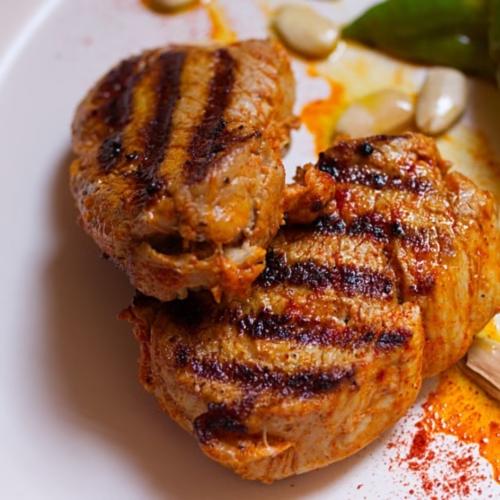
Spanish Pork Tenderloin with Smoked Paprika 🇪🇸 | Easy One-Pan Spanish Dinner Recipe

Equipment
- small bowl
- Wooden cutting board
- Chef knife
- Cooking Tongs
- Large skillet or pan
Ingredients
- 500 g (1.1 lb) pork tenderloin solomillo in Spanish
- 1 tsp Spanish La Vera smoked paprika
- Extra Virgin Olive Oil
- Lemon Juice from 1 lemon or sherry vinegar
- Salt and pepper to taste
- Garnish and sides
- 1 Tbsp Blanched almonds toasted and lightly crushed.
- Pan-seared green peppers Green Italian peppers or Padron Peppers
Instructions
Step 1 – Marinate Pork
- Cut the pork tenderloin into 1-inch thick slices. Add to a small bowl.500 g (1.1 lb) pork tenderloin
- Combine all ingredients into the small bowl and mix well until the pork is evenly covered in the marinade.1 tsp Spanish La Vera smoked paprika, Extra Virgin Olive Oil, Lemon Juice from 1 lemon, Salt and pepper to taste
- Check flavoring and season to taste with salt and pepper.
- Cover bowl with kitchen wrap and refrigerate for at least 30 minutes
Step 2 – Pan-Fry Pork
- Add a splash of olive oil to a hot skillet on medium-high heat.
- Add each pork fillet and cook for around 5 minutes per side (around 10-12 minutes in total for medium-rare).
- Set cooked pork aside to rest for 2-3 minutes (move onto step 3).
- Drain off any cooking juices for use later.
Step 3 - Pan-Fry the Green Peppers
- While the skillet is still hot, add the halved green peppers and cook for around 2-3 minutes per side. Use a heavy iron plate to apply grill marks for extra presentation points!
Step 4 - Serve
- Serve the cooked pork beside the green peppers and drizzle the pork with any leftover cooking juices.Pan-seared green peppers, 1 Tbsp Blanched almonds
- Roughly chop a few toasted almonds and sprinkle over the pork.Garnish and sides
- Serve immediately while hot.
Video
Notes
Serving Suggestions:
- Patatas Bravas: Crispy potatoes with smoky paprika sauce and garlicky aioli. A Spanish classic that echoes the paprika in your pork.
- Patatas Panaderas: Oven-Roasted Spanish Potatoes)
- Ensalada Verde: A light green salad with bitter leaves, orange slices, and a sherry vinegar dressing - adds freshness and acidity to cut through the richness.
Storage and Reheating
How Long Does It Keep? Refrigerator: Store leftover cooked pork in an airtight container for up to 3 days. Freezer: Freeze cooked pork for up to 2 months. Thaw overnight in the refrigerator before reheating. You can also freeze the uncooked pork in the marinade for a convenient make-ahead meal. Best Way to Reheat The best method is to gently warm the pork in a skillet over medium heat with a splash of olive oil or a little water to prevent it drying out. Avoid overheating, as lean cuts such as pork tenderloin can become tough. Can You Microwave It? Yes, but use short intervals at medium power and cover the meat to help retain moisture. Microwaving for too long can dry out the pork.
Frequently Asked Questions
Can I make this recipe ahead of time?
Yes. You can prepare the marinade and refrigerate the pork for up to one hour before cooking. You can also cook the pork in advance and gently reheat it before serving.
Can I use regular paprika instead of smoked paprika?
You can, but the dish will lose much of its authentic Spanish character. La Vera smoked paprika provides the distinctive smoky flavor that makes this recipe special.
What is the best cut of pork for this recipe?
Pork tenderloin is an excellent everyday choice because it is lean and tender. For a more luxurious version, try Presa Ibérica.
How long should pork tenderloin be cooked?
Cook the pork for around 2-3 minutes per side, depending on thickness, until it reaches an internal temperature of 63°C (145°F).
Can I grill this instead of pan frying?
Absolutely. This marinade works very well on a barbecue or grill, where the smoky paprika develops even deeper flavors.
What is Presa Ibérica?
Presa Ibérica is a premium, highly marbled cut taken from the shoulder of the Ibérico pig. It is prized throughout Spain for its tenderness and rich, nutty flavor.
Can I freeze marinated pork?
Yes. Place the pork and marinade in a freezer-safe bag and freeze for up to two months. Defrost overnight in the refrigerator before cooking.
What side dishes go well with Spanish pork tenderloin?
Classic Spanish accompaniments include Patatas Bravas, Patatas Panaderas, Padrón peppers, a simple green salad with sherry vinaigrette, roasted vegetables, or crusty bread for soaking up the cooking juices.
Love this recipe?
Leave us a comment and tell us your favorite Spanish recipe!
More Spanish Pork Recipes
Pork is a greate protein source in Spanish cooking, and there are countless ways to prepare it. We suggest using bold, rustic flavors that make Mediterranean food so satisfying. If you enjoyed this Spanish pork tenderloin recipe, there are plenty of other delicious dishes to explore.
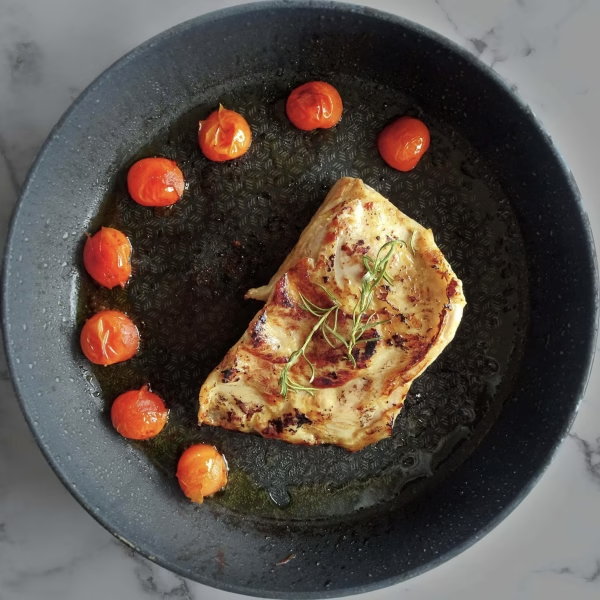
Spanish Pork Shoulder
With Apple & Pear Jus
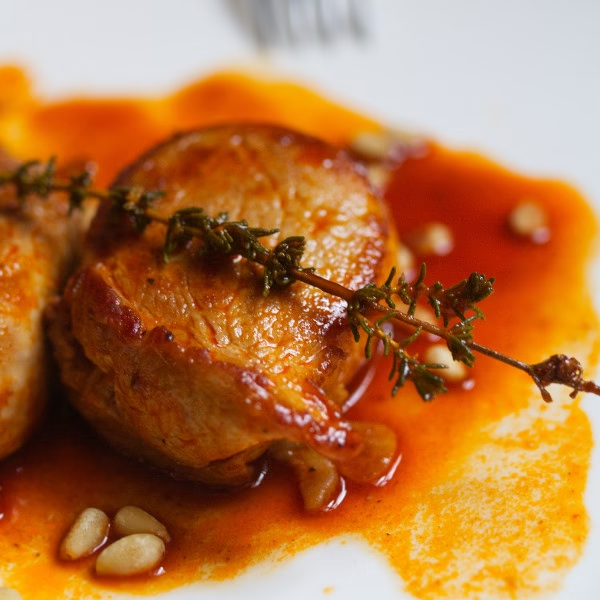
Spanish Pork Tenderloin
with Garlic & Sherry
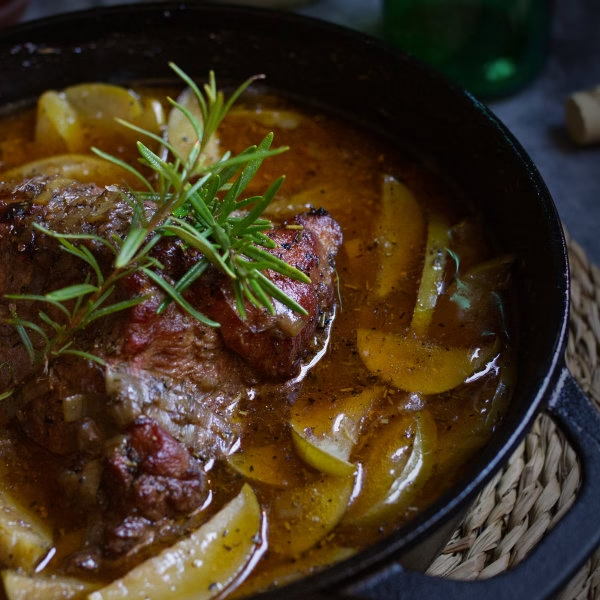
Braised Pork Shoulder
Cooked in Asturian Cider
0 Comments