
Flamenco Eggs Recipe (Huevos a la Flamenca)
Easy Spanish Baked Eggs in 30 Minutes
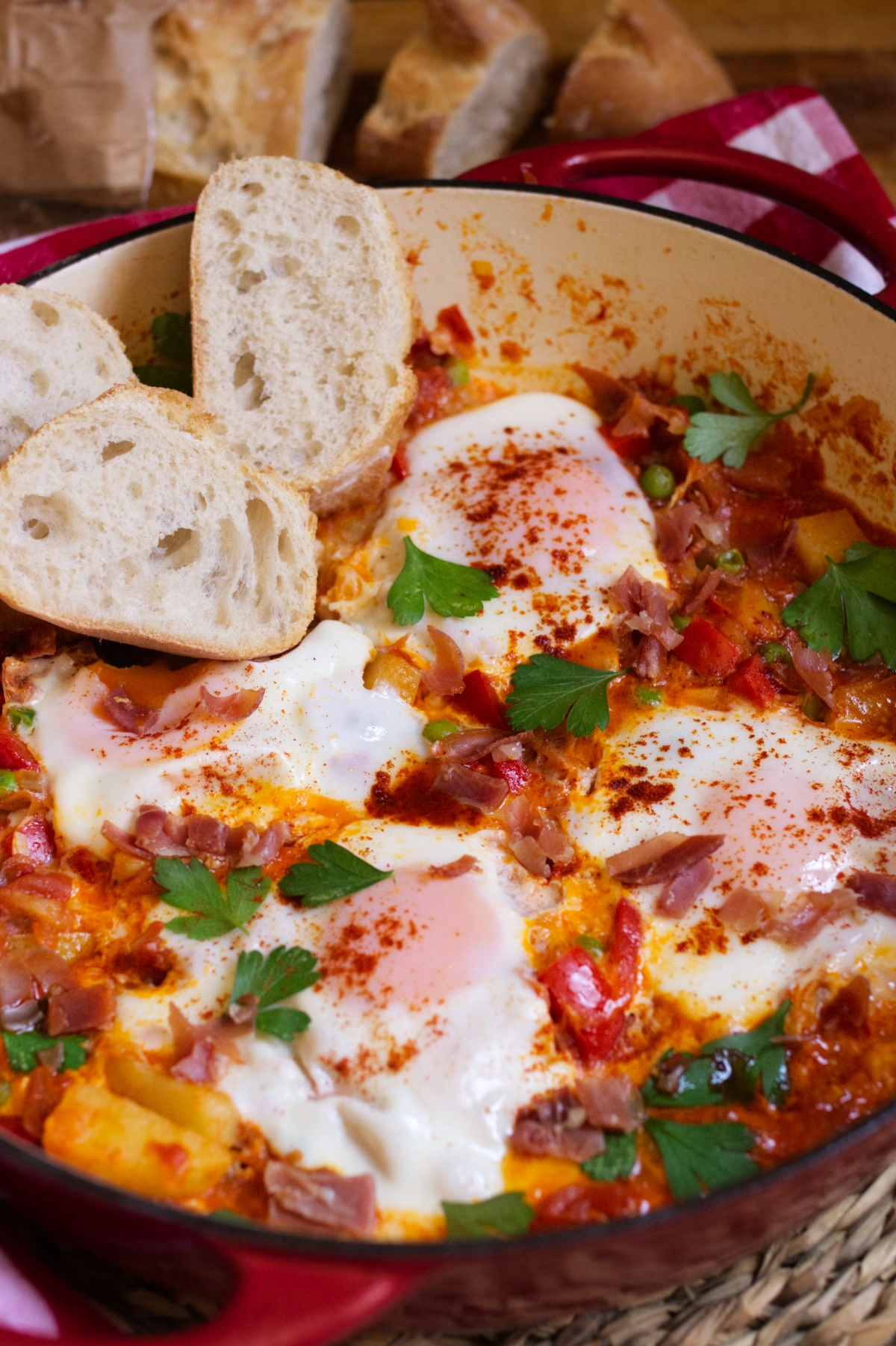
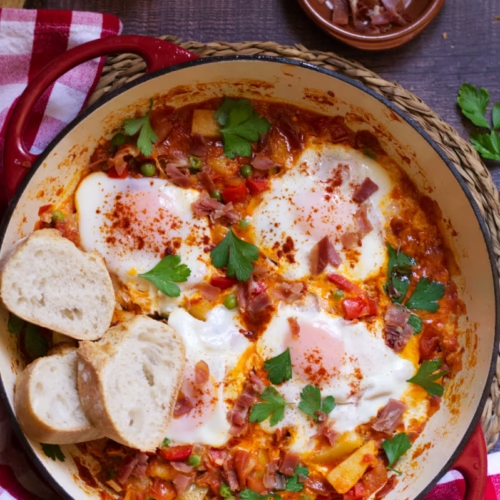
Flamenco Eggs, known in Spain as Huevos a la Flamenca, is one of the most delicious traditional Spanish baked egg dishes you can make at home. Originating in the Andalusia region, this rustic recipe combines eggs, rich tomato sauce, peppers, potatoes, and smoky chorizo for a bold one-pan meal packed with Mediterranean flavor.
Whether you serve it for brunch, lunch, or a tapas-style dinner, this authentic Flamenco Eggs recipe is simple, comforting, and ready in just 30 minutes.
If you enjoy making this tapas recipe, be sure to check out our complete tapas recipes section, now with over 50+ Authentic Spanish tapas recipes.
This post may contain affiliate links.
Serving:
Main for 2 / Tapas for 4
Ready in:
30 minutes
Skill level:
Easy
Serve with:
Crusty Bread
Watch step-by-step recipe video
🎥 Prefer to watch? Check out the Flamenco Eggs Step-by-step video recipe guide here, or click on the thumbnail below to watch the video on our YouTube Channel.

Author’s Note:
Having lived in Spain and cooked regional dishes for years, I love how Huevos a la Flamenca captures rustic Andalusian home cooking in one simple pan. Flamenco Eggs aka Huevos a la Flamenca captures the soul of Andalusia: simple ingredients, bold flavor, and plenty of flair.
💃 Why You’ll Love Flamenco Eggs
- Ready in just 30 minutes
- One pan = easy cleanup
- Authentic Spanish comfort food
- Great for brunch, lunch, or dinner
- High-protein meal
- Naturally gluten-free
- Easy to customize
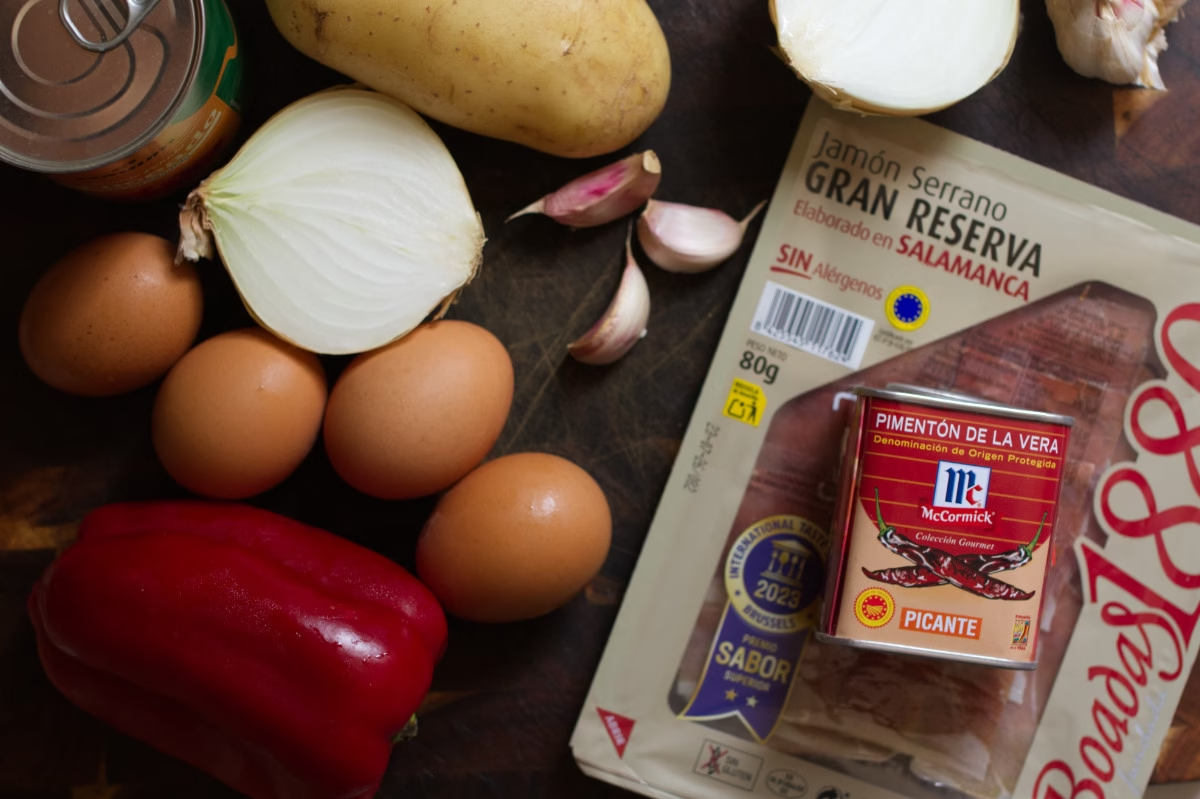
How to Make Flamenco Eggs
The vegetables and sauce are cooked first, then placed in an ovenproof dish. Eggs are cracked on top and baked until the whites are set but yolks remain runny.
🛒 Ingredients
- 4 eggs
- Extra Virgin Olive Oil
- 1 small onion, finely chopped
- 2 cloves garlic, minced
- 1 red bell pepper, diced
- 200g (7 oz) canned diced tomatoes (or 2 ripe tomatoes grated)
- 75g (2.5 oz) Chorizo, sliced (or Serrano Ham, or both)
- 50g (1.75 oz) peas (fresh or frozen)
- 1 medium potato, diced small
- 1 tsp Spanish La Vera Smoked Paprika
- Salt & black pepper
- Fresh parsley (optional)
Equipment
Use a cast iron skillet, ovenproof frying pan, or traditional Spanish cazuela dish.
Instructions
Step 1. Cook the potatoes
- Heat 1 tbsp olive oil in a pan and fry diced potatoes for 8–10 mins until golden. Remove and set aside.
Step 2. Make the sauce
- Add remaining oil. Cook onion and pepper for 5 mins until soft. Add garlic for 30 seconds.
- Stir in tomatoes, paprika, salt, pepper. Simmer 5 mins.
Step 3. Add fillings
- Mix in peas, chorizo, and potatoes. Cook for another 3 mins.
Step 4. Add eggs
- Make 4 little wells and crack eggs into them.
Step 5. Bake or cover
- Oven: Bake at 200°C / 390°F for 7–10 mins
or - Stovetop: Cover pan with lid and cook gently until whites set.
Step 6. Serve
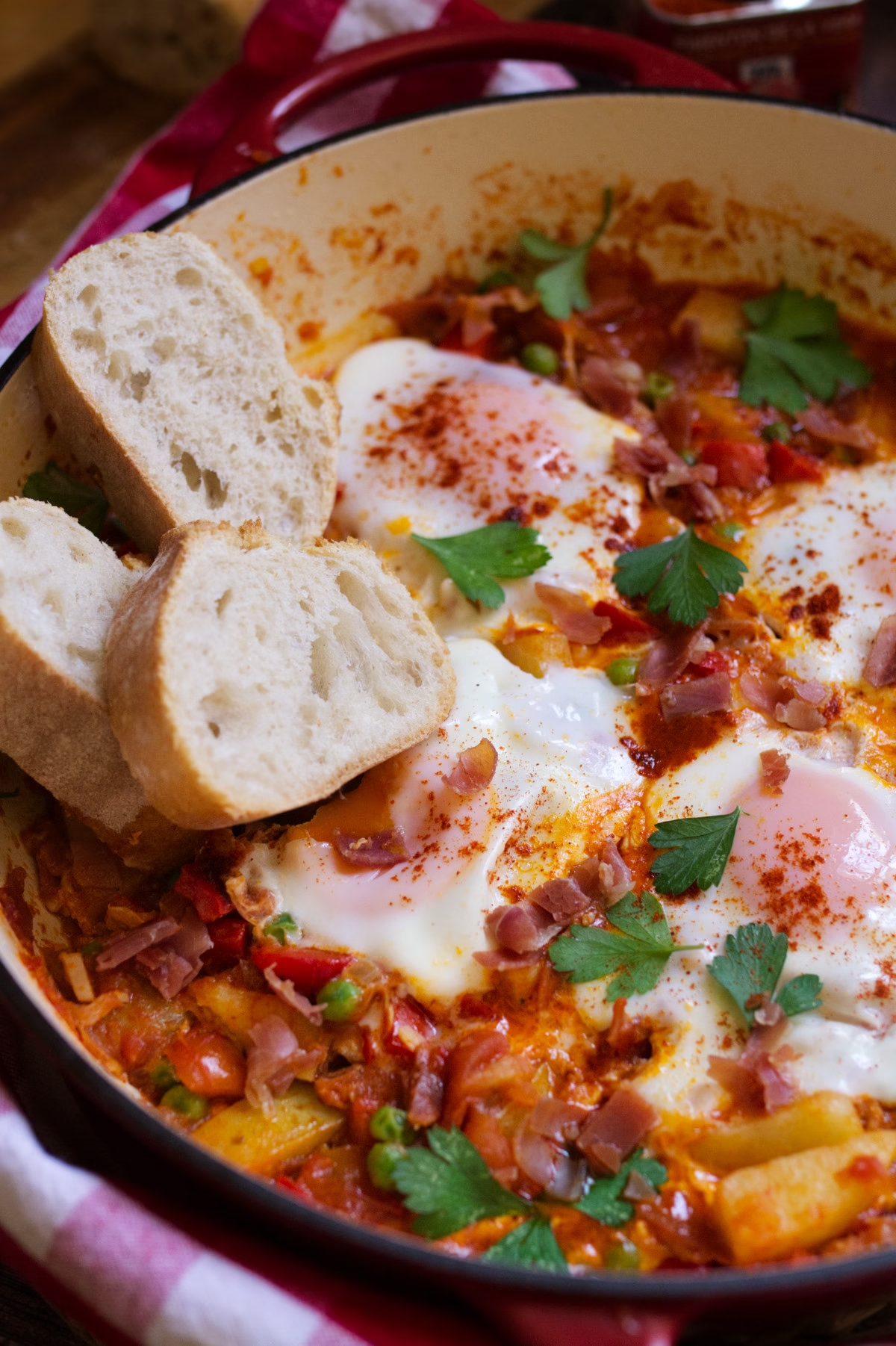
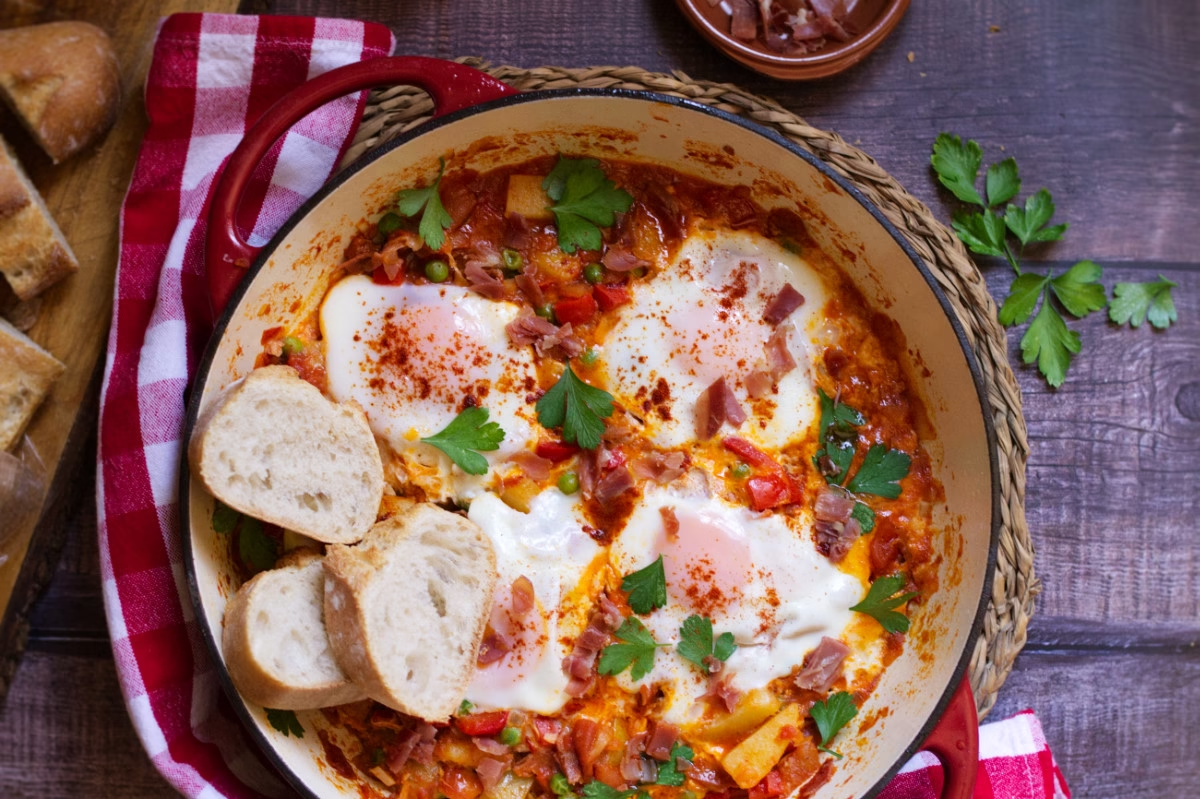
- Scatter parsley over top and serve immediately with crusty bread.
🍽️ Pro Tips
- Keep yolks runny for best texture.
- Add jamón serrano instead of chorizo for a more traditional touch.
- Use individual ramekins for restaurant-style presentation.
What to Drink With It
- Rioja red wine
- Dry sherry
- Fresh orange juice for brunch
Looking to discover more about Spanish wine, we’ve got a complete guide on the different types of Spanish wines.
Ingredient Notes
- Eggs: Use large free-range eggs for best flavor.
- Chorizo: Spanish cooking chorizo adds smoky paprika richness.
- Tomatoes: Use ripe grated tomatoes or canned chopped tomatoes.
- Potatoes: Waxy potatoes hold shape best.
- Olive Oil: Use quality extra virgin olive oil.
Variations
- Traditional Version: Use jamón serrano instead of chorizo.
- Vegetarian Version: Skip meat and add mushrooms or spinach.
- Spicy Version: Add chili flakes.
- Seafood Andalusian Version: Use prawns instead of chorizo.
What to Serve with Flamenco Eggs
- Crusty bread
- Patatas Bravas
- Spanish green salad
- Pan con tomate
- Marinated olives
- Rioja wine
- Freshly squeezed orange juice (from the Valencia Region, of course!)
How to Store Leftovers
- Store leftover sauce (without eggs) for up to 3 days refrigerated.
- Reheat and add fresh eggs before serving.
Origin of Flamenco Eggs (Huevos a la Flamenca)
Huevos a la Flamenca is widely believed to have originated in Andalusia, especially around Seville, in southern Spain. This region is famous for bold rustic cooking, olive oil, tomatoes, peppers, and cured meats—all key ingredients found in the dish.
Why the Name “Flamenca”?
The term “a la flamenca” means “in the flamenco style” or “Gypsy/Andalusian style” in an older cultural sense. It likely refers to the vibrant spirit of Andalusia, the birthplace of flamenco music and dance, rather than meaning the dish was literally cooked by flamenco performers.
Much like flamenco itself, the dish is colorful, passionate, and full of character.
Historical Background
Flamenco Eggs probably developed in the late 19th to early 20th century, when tomatoes, peppers, and paprika had become common in Spanish home kitchens. It was a practical peasant-style recipe designed to use:
- Fresh farm eggs
- Seasonal vegetables
- Leftover sausage or ham
- Potatoes
- Olive oil
Everything could be cooked in one clay dish, making it inexpensive, filling, and perfect for family meals.
Traditional Cooking Vessel
Historically, Huevos a la Flamenca was often baked in small earthenware cazuelas (Spanish clay dishes), which retain heat beautifully and were common in Andalusian homes.
Typical Ingredients
While recipes vary by region and household, common ingredients include:
- Eggs
- Tomato sauce or Sofrito (Check out our homemade sofrito sauce recipe)
- Onion
- Garlic
- Red peppers
- Peas
- Chorizo or jamón serrano
- Potatoes (fried or diced)
- A good-quality extra virgin olive oil
- Paprika
What It Tastes Like
It’s rich, savory, smoky, and comforting—with the sweetness of tomato, depth from olive oil, and saltiness from cured meats.
👉 Looking for more inspiration?
We have over 50+ Spanish tapas recipes for all tastes. Check it out!
Nutrition Facts (Per Serving – Approx. based on 3 servings)
|
Nutrient |
Amount |
Daily Value %* |
|
Calories |
385 kcal |
19% |
|
Total Fat |
24 g |
31% |
|
Saturated Fat |
7 g |
35% |
|
Cholesterol |
265 mg |
88% |
|
Sodium |
620 mg |
27% |
|
Total Carbohydrates |
19 g |
7% |
|
Dietary Fiber |
4 g |
14% |
|
Total Sugars |
6 g |
— |
|
Protein |
21 g |
42% |
|
Vitamin D |
2 mcg |
10% |
|
Calcium |
78 mg |
6% |
|
Iron |
3.2 mg |
18% |
|
Potassium |
640 mg |
14% |
|
Vitamin C |
58 mg |
64% |
*Percent Daily Values are based on a 2,000 calorie diet. Values are estimates and will vary depending on ingredients used.
The Beauty of Spanish Cooking
Spanish cooking is the perfect blend of simplicity and bold flavor, making it an ideal choice for no-fuss recipes that never compromise on taste.
Rooted in fresh, seasonal ingredients and time-honored traditions, Spanish cuisine transforms everyday staples like potatoes, peppers, and olive oil into vibrant, comforting meals. With the addition of smoky spices, aromatic herbs, and signature ingredients like chorizo, even the most straightforward dishes feel rich and indulgent.
What makes Spanish recipes especially appealing for busy home cooks is their natural balance of ease and flavor. Many classic dishes are one-pan wonders, designed to let the oven or skillet do the work while the ingredients slowly meld together into something extraordinary.
Spanish cooking is about celebrating quality ingredients, minimal preparation, and maximum payoff—a cooking style that turns weeknight dinners into hearty, satisfying experiences without the stress.
Flamenco Eggs Recipe (Huevos a la Flamenca) – Easy Spanish Baked Eggs in 30 Minutes

Equipment
- Spanish cazuela dish
Ingredients
- 4 eggs
- Extra Virgin Olive Oil
- 1 small onion finely chopped
- 2 cloves garlic minced
- 1 red bell pepper diced
- 200 g (7 oz) canned diced tomatoes or 2 ripe tomatoes grated
- 75 g (2.5 oz) chorizo sliced (or Serrano Ham, or both)
- 50 g (1.75 oz) peas fresh or frozen
- 1 medium potato diced small
- 1 tsp Spanish La Vera Smoked Paprika
- Salt & black pepper
- Fresh parsley optional
Instructions
Step 1. Cook the potatoes
- Heat 1 tbsp olive oil in a pan and fry diced potatoes for 8–10 mins until golden. Remove and set aside.Extra Virgin Olive Oil, 1 medium potato
Step 2. Make the sauce
- Add remaining oil. Cook onion and pepper for 5 mins until soft. Add garlic for 30 seconds.1 small onion, 2 cloves garlic, 1 red bell pepper
- Stir in tomatoes, paprika, salt, pepper. Simmer 5 mins.200 g (7 oz) canned diced tomatoes, Salt & black pepper, 1 tsp Spanish La Vera Smoked Paprika
Step 3. Add fillings
- Mix in peas, Serrano ham (or chorizo), and potatoes. Cook for another 3 mins.75 g (2.5 oz) chorizo, 50 g (1.75 oz) peas
Step 4. Add eggs
- Make 4 little wells and crack eggs into them.4 eggs
Step 5. Bake or cover
- Oven: Bake at 200°C / 390°F for 7–10 mins
- or
- Stovetop: Cover pan with lid and cook gently until whites set.
Step 6. Serve
- Scatter parsley over top and serve immediately with crusty bread.Fresh parsley
Video
Notes
FAQ: Flamenco Eggs (Huevos a la Flamenca)
Is Flamenco Eggs served as tapas or as a main meal?
Flamenco Eggs can be served as both. In Spain, it is often enjoyed as a hearty tapas dish when shared in small cazuelas, but it is also commonly served as a main meal for brunch, lunch, or a light dinner with crusty bread and salad.What is Flamenco Eggs?
Flamenco Eggs, or Huevos a la Flamenca, is a traditional Spanish baked egg dish made with eggs cooked in a rich tomato sauce with peppers, potatoes, and often chorizo or ham.Where does Flamenco Eggs come from?
Flamenco Eggs originated in Andalusia, southern Spain, and is especially associated with Seville, a city famous for flamenco culture and rustic regional cuisine.Can I make Flamenco Eggs ahead of time?
Yes. You can prepare the tomato and vegetable base in advance, refrigerate it, then add the eggs and bake just before serving for the best texture.Can I make Flamenco Eggs without chorizo?
Absolutely. You can use jamón serrano, cooked bacon, or leave out the meat entirely for a vegetarian version.How do I know when the eggs are cooked?
Bake until the egg whites are set but the yolks are still slightly runny. If you prefer firmer yolks, cook for an extra 1–2 minutes.What should I serve with Flamenco Eggs?
Flamenco Eggs is best served with:- Crusty bread
- Green salad
- Patatas bravas
- Fresh fruit for brunch
- Spanish red wine or orange juice
Is Flamenco Eggs healthy?
Flamenco Eggs can be a balanced meal with protein from eggs and vegetables in the sauce. For a lighter version, reduce the chorizo and use less oil.Is chorizo or jamón serrano traditional in Flamenco Eggs?
Both are used, but jamón serrano is the more traditional choice in classic Andalusian recipes, while chorizo is a popular modern variation that adds smoky flavor.FAQ: Flamenco Eggs (Huevos a la Flamenca)
Is Flamenco Eggs served as tapas or as a main meal?
Flamenco Eggs can be served as both. In Spain, it is often enjoyed as a hearty tapas dish when shared in small cazuelas, but it is also commonly served as a main meal for brunch, lunch, or a light dinner with crusty bread and salad.
What is Flamenco Eggs?
Flamenco Eggs, or Huevos a la Flamenca, is a traditional Spanish baked egg dish made with eggs cooked in a rich tomato sauce with peppers, potatoes, and often chorizo or ham.
Where does Flamenco Eggs come from?
Flamenco Eggs originated in Andalusia, southern Spain, and is especially associated with Seville, a city famous for flamenco culture and rustic regional cuisine.
Can I make Flamenco Eggs ahead of time?
Yes. You can prepare the tomato and vegetable base in advance, refrigerate it, then add the eggs and bake just before serving for the best texture.
Can I make Flamenco Eggs without chorizo?
Absolutely. You can use jamón serrano, cooked bacon, or leave out the meat entirely for a vegetarian version.
How do I know when the eggs are cooked?
Bake until the egg whites are set but the yolks are still slightly runny. If you prefer firmer yolks, cook for an extra 1–2 minutes.
What should I serve with Flamenco Eggs?
Flamenco Eggs is best served with:
- Crusty bread
- Green salad
- Patatas bravas
- Fresh fruit for brunch
- Spanish red wine or orange juice
Is Flamenco Eggs healthy?
Flamenco Eggs can be a balanced meal with protein from eggs and vegetables in the sauce. For a lighter version, reduce the chorizo and use less oil.
Is chorizo or jamón serrano traditional in Flamenco Eggs?
Both are used, but jamón serrano is the more traditional choice in classic Andalusian recipes, while chorizo is a popular modern variation that adds smoky flavor.
Love this recipe?
Leave us a comment and tell us your favorite Spanish recipe!
Love Spanish Recipes?
If you enjoyed these Flamenco Eggs, try:
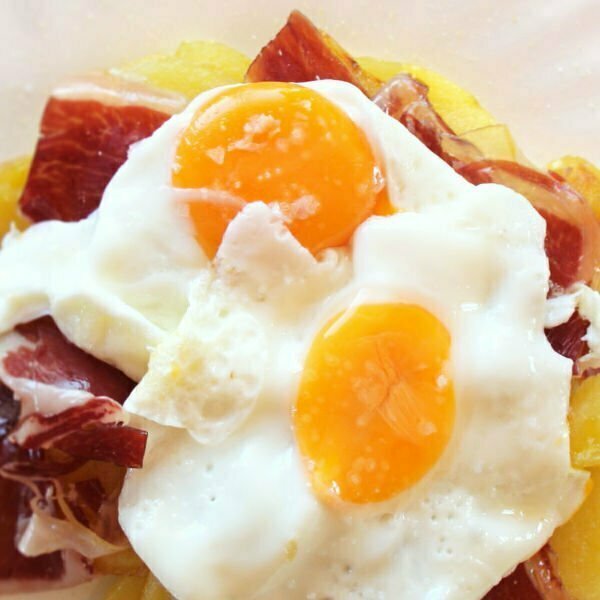
Huevos estrellados
Madrid-style eggs with potatoes
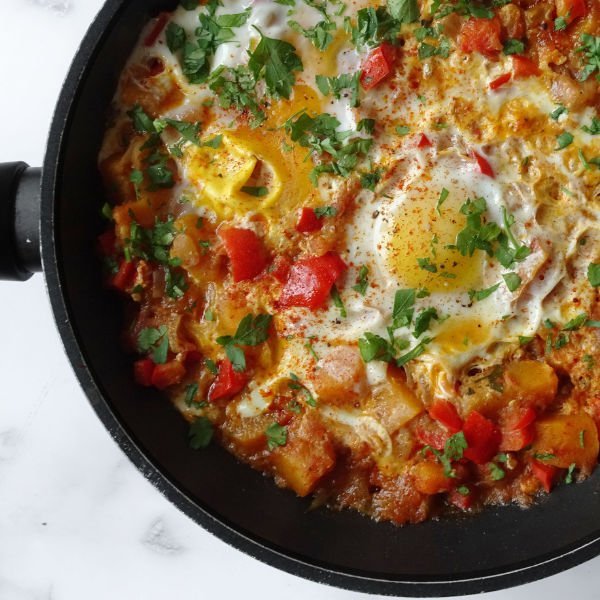
Spanish Vegetable Pisto
Easy one-pot recipe!
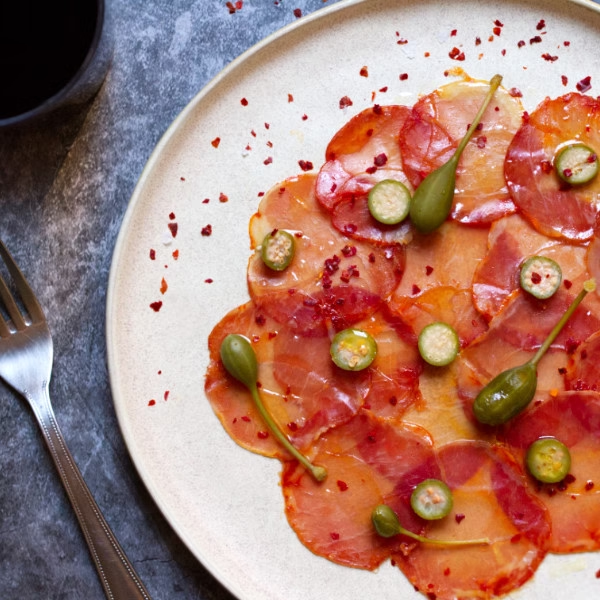
Lomo Ibérico with Alcaparras and Ñora Pepper
Easy NO-Cook 5-Minute Recipe
Andalusian Orange Salt Cod Salad
Remojón
0 Comments