
Types of Spanish Sherry:
Complete Guide to Fino, Manzanilla, PX & More
Last updated: August 18, 2026
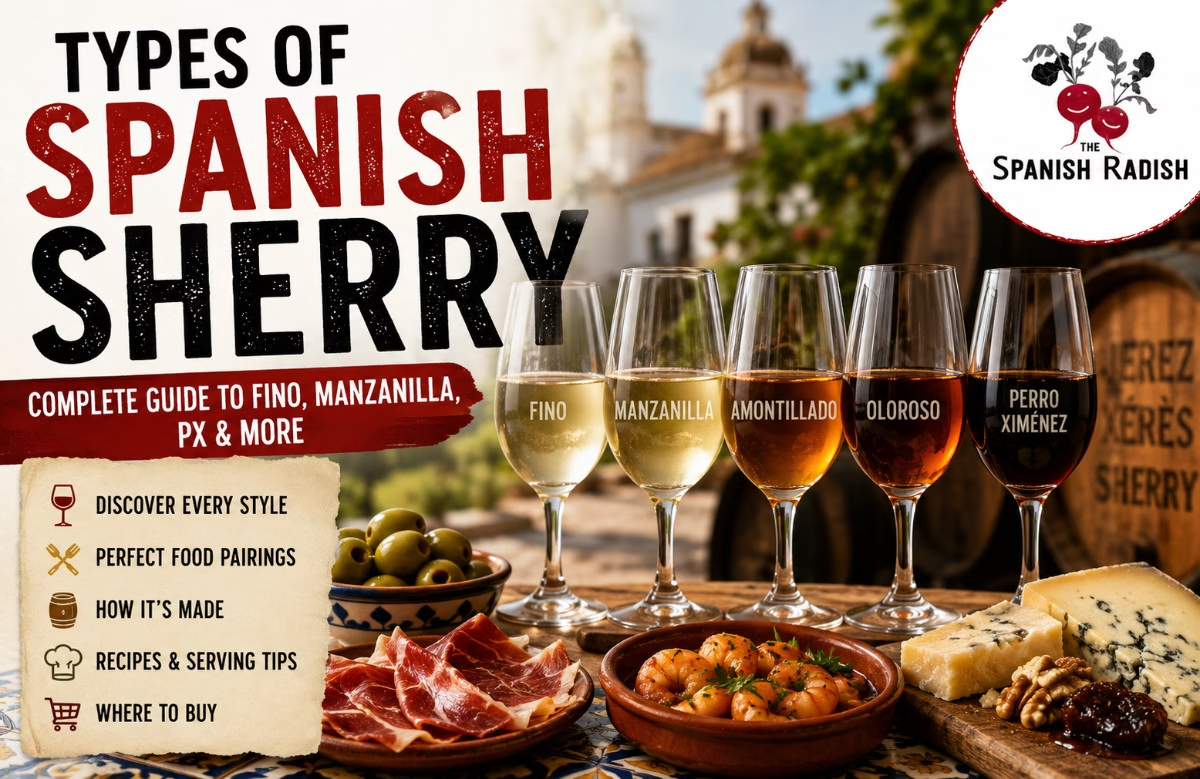
Discover the best types of Spanish Sherry with this complete guide. Explore authentic tabancos, must-try local sherry flavors, sherry and food pairings, and where to buy Andalusian sherries.
Spanish sherry is one of the world’s most distinctive fortified wines, produced exclusively in a small region of southern Spain known as the Sherry Triangle. From bone-dry, saline styles like Fino and Manzanilla to rich, syrupy Pedro Ximénez, sherry offers one of the widest flavor ranges of any wine.
In this guide, you’ll discover the different types of Spanish sherry, how they’re made, what they taste like, and the best food pairings for each style. You’ll also find traditional Spanish recipes that use sherry, plus where to buy authentic bottles internationally.
We’ve also got a complete Jerez Sherry and tapas tour guide to help you navigate the best sherry when in Spain.
Whether you’re new to sherry or looking to deepen your knowledge, this is your complete guide to Spain’s most historic and versatile wine.

What Is Spanish Sherry?
Sherry is fortified wine, and all types are white wine, despite some of them appearing dark. Most sherries are dry, although the spectrum is huge — sherries contain from around virtually 0 to 500 grams of sugar per liter! So obviously, it’s important to choose the right sherry for the right occasion.
Sherry is best enjoyed in small servings (60–90ml), slightly chilled depending on style, and paired with food rather than consumed like a standard wine.
Official sherry can only come from a specific area in Andalusia, between Jerez de la Frontera, Sanlúcar de Barrameda, and El Puerto de Santa María. It has Protected Designation of Origin (DOP) status in Spain — Denominación de Origen Protegida (DOP) — and is officially named Jerez-Xérès-Sherry. It was the first accredited DOP in Spain, being established in 1933, so was recognized before other famous Spanish wines like Rioja.

How Sherry Is Made
Sherry production is unlike almost any other wine in the world, which is what gives it such a distinctive character.
It begins with Palomino grapes, which grow in the famous albariza soils of Andalusia — a bright white, chalky earth that stores winter rainwater and releases it slowly during the hot summers.
After fermentation, the base wine is fortified with grape spirit. From here, the alcohol level determines how the wine will age:
- Around 15% ABV → encourages the formation of flor (a layer of yeast)
- Higher ABV → prevents flor and leads to oxidative aging
🍷Darker styles such as Pedro Ximénez are fortified to a higher alcohol level, preventing flor from forming and allowing the wine to be exposed to oxygen. This creates deeper, richer flavors like caramel, walnut, toffee, tobacco, and dried fruit.
🌿 What is Flor?
Flor is a natural yeast layer that floats on top of the wine in the barrel. It protects the wine from oxygen and creates the signature salty, nutty character found in Fino and Manzanilla.
🪵 The Solera System
Sherry is aged using the famous solera system, where younger wines are blended with older ones over time. This creates remarkable consistency and complexity — and means a single glass may contain wine that is decades old.

History of Spanish Sherry Wine
Few wines can claim as much history as sherry. The story of sherry begins in southern Jerez de la Frontera, a sun-soaked town in Spain’s Andalusia region. Wine has been made there for more than 3,000 years, dating back to the Phoenicians who arrived around 1100 BC and planted the region’s first vineyards. Thanks to the area’s chalky white soil, blazing sunshine, and Atlantic breezes, the grapes thrived.
Over the centuries, the region survived Roman rule, Moorish influence, and countless wars, but winemaking never disappeared. During the Islamic period, vineyards were sometimes uprooted, yet locals cleverly argued that grapes were needed for raisins and medicinal purposes. Fortunately for wine lovers everywhere, the vines stayed.
Explosion of Sherry Beyond Spain
Sherry truly exploded onto the world stage in the 16th century, during the age of exploration. Spanish ships loaded barrels of the wine onto voyages because it traveled well and stayed stable at sea. English sailors quickly fell in love with it too. Legend says that Sir Francis Drake captured thousands of barrels of sherry during a raid on Cádiz in 1587 and brought them back to England, instantly turning the drink into a sensation among British aristocrats.
By the 18th and 19th centuries, sherry had become one of Europe’s most fashionable wines. Writers like Shakespeare and Lord Byron even mentioned it in their works. Today, sherry seems to be in vogue and a hot topic for food lovers and sommeliers everywhere.
Why Spanish Sherry is So Good
Perhaps it’s due to their versatility. Dry sherry styles like fino and manzanilla pair beautifully with fried chicken, meats, seafood, and salty snacks, while sweeter styles complement blue cheese and desserts. So, you could have a different sherry accompany an afternoon or evening from an aperitif to cake.
And honestly, once you taste a chilled glass alongside good food, it’s easy to understand why this ancient Spanish treasure has lasted for millennia. If you’ve tried a sherry before and didn’t like it, don’t worry, there’s nearly always a sherry for everyone. With such a huge variety and ranging from the driest of dry wines to the absolute sweetest, there has to be one in there that takes your fancy.
It’s all about pairing them well with their perfect food partners or using the right one in any given recipe. Let’s take a look at the different types of sherry and what foods they best go with, and then recipes to use them in.

What Are the Different Types of Spanish Sherry?
Sherry can be divided into 3 categories:
- Dry wines (vinos generosos)
- Naturally sweet sherry wines (vinos dulces naturales)
- A blend of dry and sweet (generosos de licor)
The dry wines are fino, manzanilla, amontillado, oloroso, palo cortado; the sweet wines are moscatel and pedro ximénez; and the blends are pale cream, medium, and cream.
Let’s check each of them out and find out what foods they pair well with.
| Style | Sweetness | Flavor Notes | Best Food Pairing |
| Fino | Dry | Almond, saline, bread dough | Seafood, olives, ham |
| Manzanilla | Dry | Briny, floral, chamomile | Anchovies, gazpacho |
| Amontillado | Dry | Nutty, caramel, dried fruit | Chicken, mushrooms |
| Oloroso | Dry | Walnut, leather, spice | Beef, stews |
| PX | Very sweet | Fig, molasses, coffee | Desserts, blue cheese |
Fino
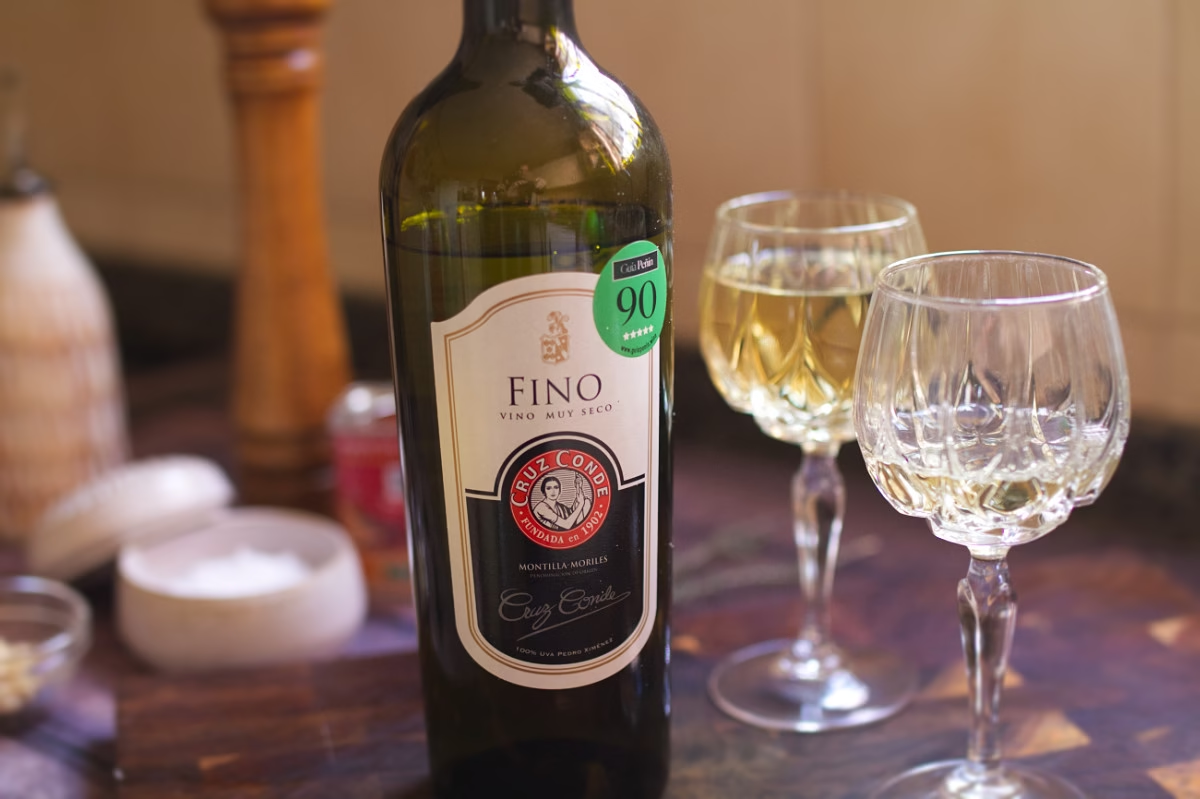
Fino is the classic sherry of Jerez, and is biologically aged with “flor” yeast. It’s a pale dry wine that’s often served as an aperitif, and always chilled. Its flavor notes include almonds, bread dough, and sea salt.
It pairs well with many appetizers and tapas dishes, especially those that are salty or with high acidity — think seafood like oysters, cured ham, cold soups, vinaigrettes, and olives.
Some tapas dishes that pair well with fino are:
- Lacón a la Gallega (Galician cured ham) – This dried ham tapas is very simple but tasty from the salty ham, paprika, and olive oil. A perfect pairing with Fino.
- Salmorejo – This traditional cold soup from Andalusia is a natural food partner, with Serrano ham and sherry vinegar on top. You can also make a vegan salmorejo, which also benefits from the acidity from the sherry vinegar.
- Marinated olives – Marinate olives in red wine vinegar, herbs, chili, capers, olive oil, and citrus, to really bring them alive.
Manzanilla
Manzanilla is similar to fino, in that it’s biologically aged with flor, and is pale and dry. However, it’s produced specifically in Sanlúcar de Barrameda, where the coastal climate gives it a lighter and even saltier character.
Its flavor notes include chamomile and dough, and it has a fresh but slightly bitter finish. It also pairs well with salty and high acidity dishes, and should be served chilled.
Some tapas dishes that pair well with manzanilla are:
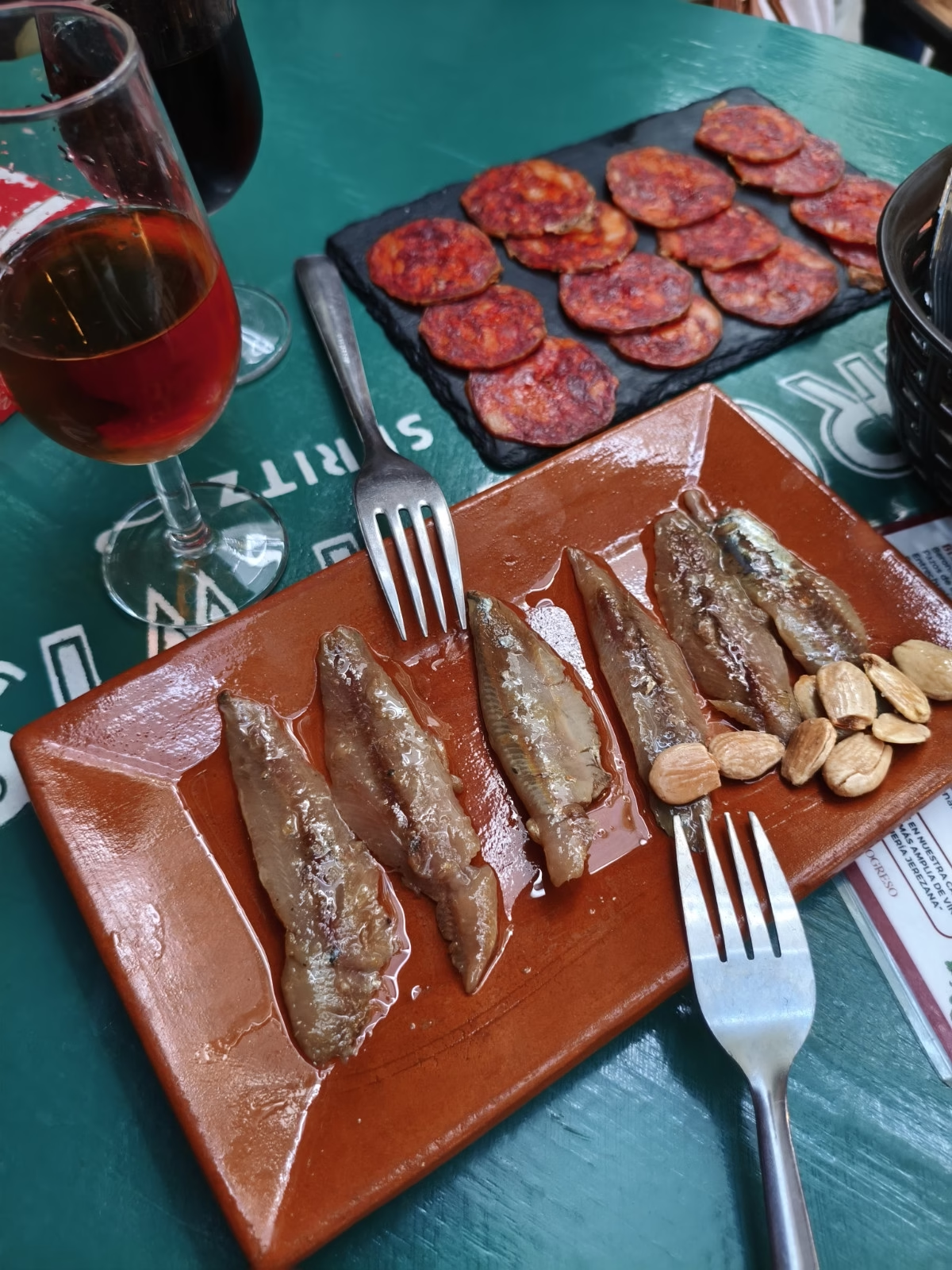
- Boquerones (Spanish anchovies) – These salty, marinated anchovies are a match made in heaven for manzanilla. In tapas bars, anchovies are also often served fried in a crispy batter, which works really well too.
- Gazpacho chilled soup – A savory tomato soup with green pepper, cucumber, garlic, bread crumbs, olive oil, and sherry vinegar. Serving a chilled manzanilla with this soup is a great pairing.
- Olive tapenade – The naturally salty olives along with capers and some lemon make this a great food companion for your manzanilla.
Amontillado
Amontillado begins life as a fino or manzanilla and is aged with flor, but it’s then aged longer while being exposed to oxygen. This double aging process makes it a more complex wine with deeper nutty and caramel notes while still remaining dry.
It’s arguably one of the most versatile sherries for food pairing, but goes particularly well with chicken dishes, mushrooms, green asparagus, aged cheeses like Manchego, and tuna. It should be served slightly chilled.
Some food pairing ideas for Amontillado are:
- Baked Mediterranean chicken thighs – This delicious recipe is loaded with Spanish herbs and spices, making it a perfect partner for amontillado.
- Spanish garlic mushrooms – This is a vegan-friendly tapa that’s great served over some baguette, so can also be a light meal.
- Roasted asparagus in serrano ham – This is a warm tapa that’s flavorful without being overpowering, and the asparagus works a treat with amontillado.
Oloroso
Even though Oloroso has a much darker appearance than the previous sherries, it still has a dry finish. Unlike the previous types, it doesn’t get aged with flor, but is oxidized. The result is a more powerful style of sherry with notes of walnut and leather.
It pairs well with hearty, rich dishes like stews and slow-cooked meats, and strong cheeses. It should be served slightly chilled.
Some dishes to try with your oloroso are:
- Fabada Asturiana (bean & meat stew) – With pancetta, chorizo, and morcilla, this stew is a natural choice to serve with oloroso.
- Almogrote cheese pâté – This spiced cured cheese pâté is a great tapa option that pairs well, and is vegetarian.
- Catalan beef stew – Estofado a la Catalana is a rich beef and pancetta stew that’s simmered away for around three hours, which makes it the perfect accompaniment for oloroso.
Palo Cortado
Palo Cortado is a very dark wine, but begins its aging under flor. However, it goes on to lose its flor layer and moves on to oxidative aging.
It’s a dry wine and has a nutty, dried fruit aroma. Foodwise, it pairs well with nuts, and strong flavored soups, stews, and meats. It should be served slightly chilled.
Some dishes to try with your Palo Cortado are:
- Garlic soup (sopa de ajo) – This punchy little soup is made with fried garlic, smoky paprika and Spanish sherry vinegar.
- Chorizo stew with lentils – Using Spanish Pardina lentils, this smoky chorizo stew is as delicious as it is hearty.
- Spanish-style pork stew – With several cuts of pork and sausage used, this is a rich and deeply satisfying dinner.
Pale Cream
This is the first in the generosos de licor (blend of dry and sweet) category. This is a light-colored medium dry/sweet wine, so it should be served chilled. It works great with sweet fruits and sweeter types of seafood dishes.
Some food ideas to go with your pale cream are:
- Spicy baked salmon with orange – Chunky salmon fillets are baked with a spice rub, including brown sugar, and infused gently with the flavor of the sweet oranges.
- Tuna tartare – This is an excellent sweet/savory appetizer or tapas to serve with your pale cream.
- Melon salad with mozzarella and serrano ham – The sweetness of the melon and slight saltiness from the serrano ham and mozzarella work a treat with Pale Cream.
Medium Cream
This blend is darker than pale cream and often slightly less sweet as the sugar content can either be low (like a dry wine) or the same as pale cream. Depending on the sweetness, it pairs well with meat patés, curries, or other spiced dishes. Serve it slightly chilled.
Some dishes to try with your medium cream are:
- Spicy Mediterranean chicken thighs – These baked chicken thighs are loaded with herbs and spices, making it a fabulous pairing with this type of sherry.
- Paprika-infused pork bites – This tapa works well with fried pork belly or pancetta with smoked paprika, cumin, and herbs.
- Mediterranean yellow rice – This vegan fluffy yellow rice is a great alternative to plain rice to serve with a main dish. With cumin, turmeric, saffron, and other flavorful ingredients, this works really well with a medium cream.
Cream
Cream is also often called “sweet oloroso” since it’s made from a combination of oloroso and Pedro Ximénez. It’s a fairly dark wine in color and syrupy, with nutty caramel notes. It pairs well with fruit, strong cheeses, and fruity desserts. Serve it chilled.
Some recipes to try your cream with are:
- Baked cheesecake with honey and orange – Made with orange, cream cheese, and natural yogurt, this isn’t as sweet as some cheesecakes, and is beautiful with a cream on the side.
- Orange and pink grapefruit cake – This is a grapefruit and orange sponge cake, and light and fluffy and delicious, but not overly rich like some desserts.
- White mulberry bizcocho – This white mulberry cake with a caramelized cherry drizzle also has some sweet sherry, so cut yourself a slice and serve it with a cream sherry.
Moscatel
The first of the naturally sweet sherries, this is less sweet than Pedro Ximénez, but still very dark in flavor and syrupy. It has orange notes but can have a slightly dry aftertaste, so can complement sweet desserts nicely. It’s best to serve it slightly chilled.
Some desserts to serve with your Moscatel are:
- Baked orange chocolate cheesecake – This is a very rich dessert with sherry-infused candied orange, so a natural pairing with moscatel.
- Walnut tart with orange salted caramel – The natural orange character in the moscatel draws out the hint of orange in the orange-infused salted caramel filling.
- Indulgent chocolate hazelnut tart – Another dessert with hints of sweet sherry, orange zest, and plenty of dark chocolate, sending you to sweet-tooth heaven with a moscatel.
Pedro Ximénez
The darkest, sweetest, and most syrupy of them all. It’s made from sun-dried Pedro Ximénez grapes, and is very (very) high in sugar. Often simply called PX, it’s famous for flavors of raisins, figs, coffee, molasses, and dark chocolate.
While it could be a dessert in itself, it pairs well with ice cream, desserts, and rich creamy types of cheese. Locals down south often just pour it over ice cream, and you should definitely try this. When serving the drink, make sure it’s slightly chilled.
What to serve your Pedro Ximénez with:
- Spanish rice pudding – Not as sweet as most desserts, it has cinnamon, lemon rind, cloves, and peppercorns, so very distinctive flavors coming through that contrast nicely with the sweet sherry. It also has a splash of sherry in the pudding, but this is optional.
- Grilled figs with goat cheese – This dessert only has five ingredients, and only two are sweet, so the others balance this nicely. Combined with a sip of sweet Pedro Ximénez every few bites, this is a winning combo.
- No-bake avocado and lime cheesecake – A refreshing chilled avocado and lime cheesecake that is creamy and subtly sweet.

Cooking with Sherry Recipes
Sherry is great to use in cooking because it lasts longer than other types of Spanish wines once opened, so you can keep a bottle or two and use them across multiple recipes. It’s used in recipes to add richness and an umami or sweet flavor, depending on the type of sherry.
Here are some recipe ideas using sherry:
- Pork tenderloin with garlic and sherry – Ready in just 15 minutes, you get big flavors in very little time. Uses a dry fino or amontillado.
- Chicken and chorizo stew – The rich smoky flavors of the chorizo and touch of fino or amontillado in the stew, make this dish sing.
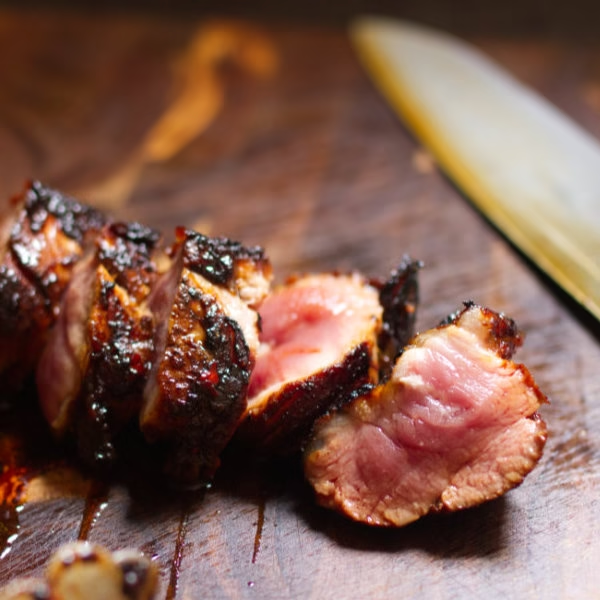
- Marinated pork (Presa Ibérica) – This tender pork cut is marinated in a smoky-sweet blend of soy sauce, Pedro Ximénez sherry, honey, olive oil, and spices.
- Vinegar braised chicken with Pedro Ximénez – This delicious sweet and umami tasting dish is great served on a bed of creamy mash potato, or you can just serve it with bread to mop up the sauce.
- Blue cheese and sherry spread – With just two ingredients and ready in around two hours, this is a great option for your next tapas spread or as party food. Obviously, the cheese contrasted against the sweet sherry is delicious.
- Apple tart with apricot and sweet sherry glaze – A very simple dessert made using store-bought puff pastry, and adding a delicious apricot and sweet sherry glaze to top it off.
- Apricot Chicken with Jerez Sherry – Juicy chicken thighs, fresh apricots, Spanish sweet sherry from Jerez de la Frontera, smoked paprika, warming spices, and optional loquats for a rich rustic sauce.
- Chicken thighs with peaches and sherry – Ready in 30 minutes, this marries sweet peaches with sweet sherry to contrast the savory curry powder and other spices.
- Oven-baked chicken with sherry – This is a great way to cook bone-in chicken pieces (quarters, thighs, or drumsticks). The sherry caramelizes the onion and adds a subtle sweetness to the chicken.
- Chocolate and pear tart with sherry – This gooey chocolate tart with pears and Pedro Ximénez sherry is divine. It’s one for every chocolate lover to try.
Marinated Presa Ibérica with Walnuts
Gourmet Pork Made Simple
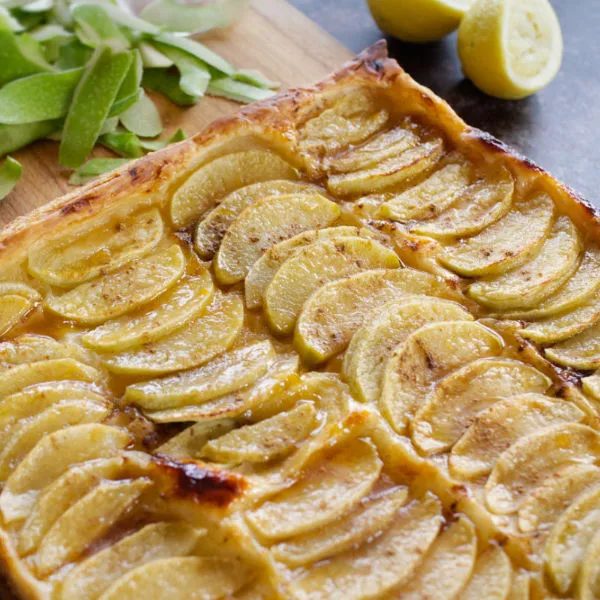
Apple Flan with Sherry Glaze
Easy baked dessert | Ready in 45 mins
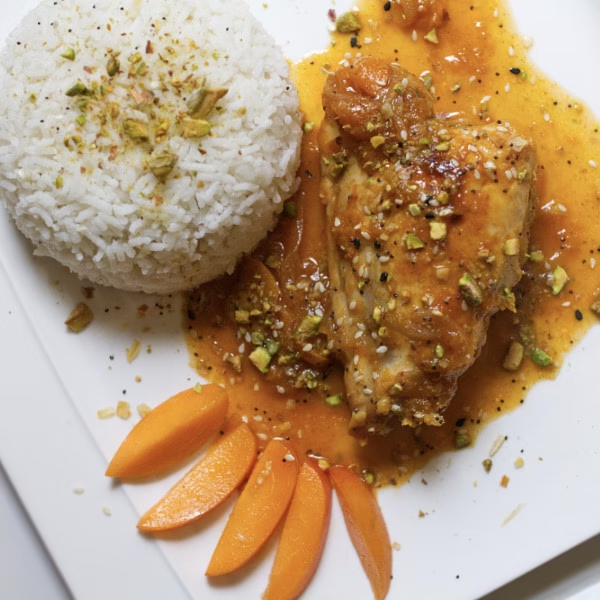
Apricot Chicken Spanish-Style
cooked in Jerez sherry
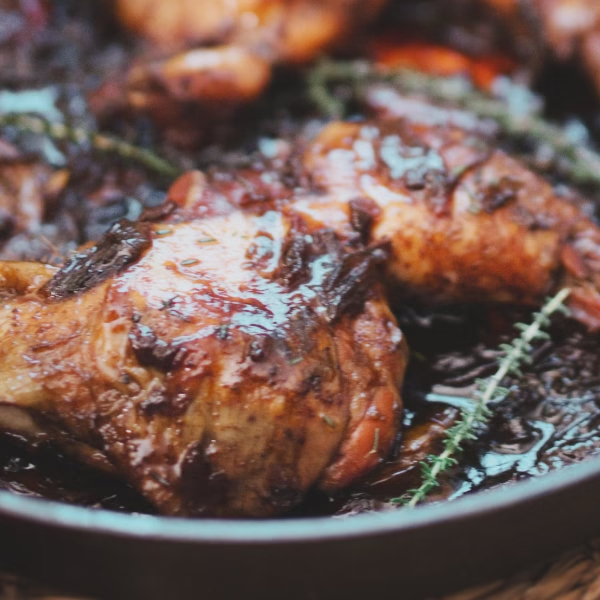
Vinegar Braised Chicken
with Pedro Ximénez Sherry Sauce
Spanish Sherry Festivals and Events
If you’re planning a trip to Spain and want to include a special sherry event, why not check the following out? Most include music and bodega visits, and all feature Spanish sherry, of course.
International Sherry Week
Dates: 2–8 November 2026
The world’s largest celebration of sherry wine takes place across more than 30 countries. You’ll find loads going on around Jerez de la Frontera, with tastings, pairing dinners, masterclasses, tapas events, and bodega tours. It’s organized under the auspices of the Consejo Regulador of Jerez and is ideal for both newcomers and serious wine lovers.
Tío Pepe Festival
Dates: 4 July – 14 August 2026
Hosted at the González Byass winery, the Tío Pepe Festival combines music, gastronomy, and sherry in atmospheric bodega courtyards. The lineup usually includes flamenco, jazz, pop, and classical performances paired with fine dining and wine experiences.
Viernes Flamenco
Dates: July–August 2026 (exact dates TBC)
These “Flamenco Fridays” are intimate summer evenings featuring flamenco performances, Andalusian food, and local wines. They offer a traditional and local atmosphere.
Festival de Jerez
Dates: 19 February – 6 March 2027
Known internationally for flamenco and Spanish dance, the Festival de Jerez also attracts many sherry enthusiasts thanks to its close links with local gastronomy and wine culture. You can combine performances with bodega tours and tastings around the city.

Self-Guided Tapas Walking Tour Map
Explore the best tapas bars in Jerez de la Frontera with this free self-guided walking tour map.
The route connects traditional tabancos, classic tapas bars, and local sherry spots through the historic center of Jerez, making it easy to experience authentic Andalusian food culture at your own pace.
Jerez Tapas Tour at a Glance
- 📍 Location: Jerez de la Frontera, Andalusia
- 🍷 Best for: Sherry, tabancos, authentic Andalusian tapas
- 🚶 Walking Distance: 2–3 km
- ⏱ Time Needed: 3–5 hours
- 💰 Budget: €20–50 depending on stops
- ⭐ Ideal For: Food lovers, wine lovers, couples, small groups
How the Self-Guided Tour Works
- Follow the interactive Google Map on your phone
- Stop for tapas and sherry at your own pace
- Most bars are within a short walk of each other
- Ideal for afternoon or evening exploring
- No booking required
Where to Buy Spanish Sherry Overseas
Many online retailers and liquor or wine stores stock sherry. Some will have a better variety than others, and offer different types and producers, so shop around if you have something specific you’d love to try.
United States
- Astor Wines & Spirits: Their website offers different types of sherry, ready for shipping. Visit astorwines.com.
- Total Wine & More: A variety of sherries, including from major producers like Tio Pepe. Visit totalwine.com.
- Pound Ridge Wine & Spirits: A small selection of cream, fino, amontillado, and manzanilla sherries. Visit poundridgewine.com.
- Wine.com: Convenient nationwide retailer with ratings and reviews of the sherries to help you pick. Visit wine.com.
Canada
- LCBO: A selection of sherries, including cream, amontillado, oloroso, and palo cortado. Visit lcbo.com.
- BC Liquor Stores: A small selection of sherries available in stores, but delivery isn’t available. Check out the BC Liquor store locator.
United Kingdom
- Waitrose Cellar: One of the UK’s best selections for sherry, covering everything from fino to PX. Visit waitrosecellar.com.
- Berry Bros. & Rudd: A good selection of mid to high-end and collector-focused Spanish sherries (20 at the time of writing). Visit bbr.com.
- Tanners Wine Merchants: A collection of 12 different Spanish sherries at the time of writing, including creams, fino, and PX. Visit tanners-wines.co.uk.
Australia
- Dan Murphy’s: Offers a reliable selection of Spanish sherries including fino, cream, and PX by different producers. Visit danmurphys.com.au.
- Nick’s Wine Merchants: A good sherry collection, including high-end options and harder to find bottles. Visit nicks.com.au.
Tip for First-Time Sherry Drinkers
If you’re new to sherry tasting, start with a chilled Fino or Manzanilla before moving toward richer styles like Amontillado and Oloroso. Finish with PX as a dessert wine for the full Jerez experience.
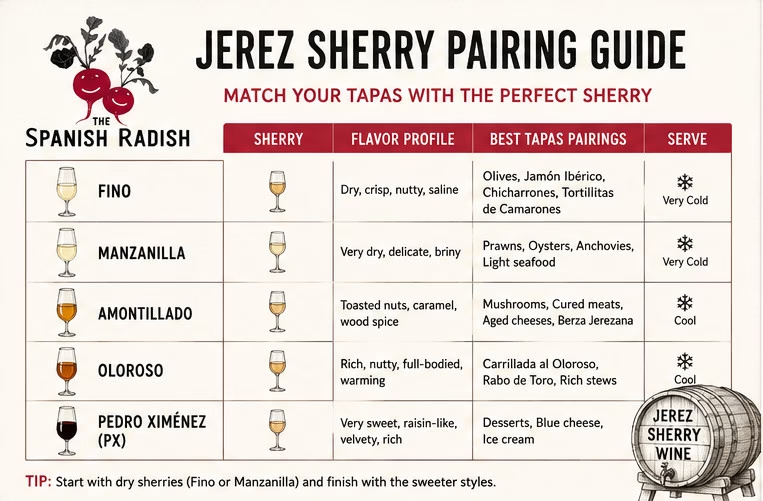
Suggested Sherry Pairing Cheat Sheet
| Tapas Dish | Best Sherry Pairing |
| Tortillitas de Camarones | Fino / Manzanilla |
| Carrillada al Oloroso | Oloroso |
| Berza Jerezana | Amontillado |
| Chicharrones | Fino |
| Rabo de Toro | Oloroso |
| Jamón Ibérico | Fino / Amontillado |
| Local Cheeses | Amontillado / PX |
FAQs
What is very dry pale sherry from Spain?
Fino and Manzanilla are generally considered the driest styles of sherry. They are crisp, refreshing, and often have notes of almonds, bread dough, and sea salt.
What is sweet sherry called in Spain?
Pedro Ximénez is the name of the sweetest sherry. It’s also sometimes just called PX.
Is sherry vegan or vegetarian friendly?
Some are, but not all sherries are suitable for vegans or vegetarians. Some producers use clarifying agents like egg whites, gelatin, or fish bladder to filter the wine before bottling. Check the bottle or producer’s website for details.
What is the difference between fino and manzanilla sherry?
Fino and manzanilla are both pale, dry sherries aged under a layer of yeast called flor, but manzanilla can only be made in Sanlúcar de Barrameda near the coast. This gives it a lighter body and a saltier character compared to fino.
What foods pair well with sherry?
Dry sherries pair well with olives, nuts, seafood, cured meats, and savory tapas dishes, while sweeter styles complement desserts, blue cheese, and chocolate. Different sherry styles can match a wide range of foods.
Why is sherry fortified?
Sherry is fortified with grape spirit to increase alcohol levels and influence the aging process. Fortification helps determine whether the wine develops under flor yeast or through oxidative aging.
What is flor in sherry production?
Flor is a natural layer of yeast that forms on the surface of certain sherries during aging. It protects the wine from oxygen and creates the fresh, salty, and nutty flavors found in fino and manzanilla.