Spanish Food Festivals: From the Most Famous to the Quirkiest
Spain loves a good fiesta. Give us a reason to gather, eat, drink, make a little noise, and stay out later than planned, and we’re pretty much there. But while many festivals celebrate music, history, or local traditions, some of Spain’s best fiestas put food firmly in the spotlight. And things can get wonderfully weird.
We’re talking about mountains of freshly grilled seafood, prized Iberian ham carved with competition-winning precision, and local cheeses worthy of their own celebrations. Then there are the festivals that take things a little further, with thousands of tomatoes flying through the air, bread and cheese raining down on a crowd, and goose barnacles that can leave first-time eaters wondering what on earth they’ve got themselves into!
Across Spain, these food festivals offer a delicious excuse to discover regional specialities, meet the people behind them, and experience traditions that have been passed down for generations. Some are grand, internationally famous affairs, while others are small-town celebrations that deserve a much bigger spot on the foodie map.
So, whether you’re planning a trip around something delicious, curious about Spain’s more unusual traditions, or simply wondering why anyone would willingly join a giant tomato fight, you’re in the right place.
We’ve rounded up 13 of the most interesting Spanish food festivals, from the famous to the downright quirky. And this is very much a work in progress! We’ll keep adding new discoveries as we uncover more of Spain’s wonderfully food-obsessed fiestas. ¡Buen provecho!
NOTE: We’ve added an estimated budget for entry, food and drinks to the festivals. These prices are a guide and indicative only. They’re likely to change year on year so it’s best to check with official websites for full prices and schedules.

1. Feria del Cabrales
🤩 What: Cabrales cheese fair 🧀
📍 Where: Arenas de Cabrales, Asturias
📅 When: The last Sunday of August
The Asturias region is famous for its exceptional dairy products, and Cabrales cheese is one of its most celebrated exports. This punchy blue cheese is made from cow’s milk, blended with goat’s or sheep’s milk, and matured in natural mountain caves. The result is a creamy, salty, intensely flavored cheese that blue-cheese lovers would happily fight over. (Well, perhaps not literally — there are other festivals for that!)
The Feria del Cabrales is much more than a cheese market. Expect traditional Asturian music, a parade featuring bagpipe bands, local produce stalls, cheese-making demonstrations, and the annual competition to find the best Cabrales cheese. The winning cheese is then auctioned, sometimes for astonishing sums. In 2025, the winning cheese fetched a record €37,000 — but don’t worry, you don’t need that sort of budget to enjoy a taste!
What to expect and budget
- Food to try: Cabrales cheese, local cider (Sidra Asturiana), Asturian breads and other regional cheeses.
- Budget: Allow around €5–€15 for a few tastings and a drink, or €15–€30 if you want a more substantial lunch. Packaged cheese to take home will cost extra.
- Good to know: Arrive early if you want to see the cheese competition and auction. The winning auction price is a publicity spectacle, not the normal retail price of Cabrales cheese.
✅ Top Tip: If you’re exploring Asturias, it’s worth combining the fair with a trip into the stunning Picos de Europa mountain range. Just remember to leave some room in your bag for cheese.

2. El Desarme
🤩 What: Traditional desarme “peace” menu
📍 Where: Oviedo, Asturias
📅 When: 19 October and surrounding days
El Desarme (The Disarmament) is one of Spain’s oldest gastronomic festivals. It centers around the “peace menu,” which became a celebration of peace after three civil wars ended in 1876. The menu includes chickpeas with cod and spinach, local-style tripe, and rice pudding. You can enjoy this menu in restaurants around the city, or smaller pinchos versions made with the ingredients.
During the festival, participating restaurants across Oviedo serve the set menu, while some offer smaller pinchos inspired by its classic dishes. You can also find cultural activities, exhibitions, traditional dress, and musical performances around the city.
What to expect and budget
- Food to try: The complete Desarme menu, includes the chickpeas with cod and spinach, tripe, followed by creamy rice pudding.
- Budget: Approximately €25–€40 per person for a full festival menu, depending on the restaurant and drinks. Smaller pinchos cost considerably less.
- Good to know: Check participating restaurants and book ahead if you want the complete menu on a popular date. This is a sit-down dining experience rather than a single central food market.
✅ Our tip: Come hungry. Chickpeas, tripe, and rice pudding make for a proper Asturian feast, not a light lunch between sightseeing stops.

3. O Grove Festa do Marisco
🤩 What: Seafood 🦞
📍 Where: O Grove, Galicia
📅 When: First half of October (runs for nearly 2 weeks)
If your idea of a perfect holiday involves eating your way through a mountain of seafood, put O Grove on your list. The O Grove Festa do Marisco has been running since 1963 and has grown into a multi-day event with international visitors celebrating Galicia’s exceptional seafood. While the focus is on fishing and shellfish harvesting (and sampling the delicacies), there are many events like musical concerts, regattas, and games to also keep you entertained.
The main attraction is the seafood, served at stalls in the festival grounds near the port. Depending on the year’s menu, you can sample steamed mussels, razor clams, scallops, oysters, spider crab, prawns, octopus, seafood rice, and traditional Galician empanadas (check out our Empanada Gallega recipe).
What to expect and budget
- Food to try: Razor clams (navajas), mussels (mejillones), scallops, seafood rice, and — if available — goose barnacles (percebes).
- Budget: For reference, the published 2026 festival menu listed mussels at €5.50, razor clams at €9, seafood rice at €8.50, and goose barnacles at €21 per 200 g. Budget around €15–€30 per person for a modest tasting meal, or €30–€50 or more if you’re sampling premium seafood and drinks.
- Good to know: Entry to the festival grounds and many of the accompanying events is free, but food and drinks are paid for separately. Expect queues at peak lunchtime and on busy weekends.
😀 Our tip: Go with friends and order several different dishes to share. It’s the best way to sample the variety of Galician seafood without committing to one enormous plate of the same thing.

4. El Dia del Jamon
🤩 What: Pata Negra ham day
📍 Where: Monesterio, Extremadura
📅 When: Mid-September (1-day event)
Spain takes its ham seriously, and Extremadura is one of the few regions home to 100% pure-bred Iberian acorn-fed ham (pata negra). El Dia del Jamon is a celebration of this most-prized type of Spanish ham, as well as other pork products.
The surrounding dehesa landscape — open woodland dotted with holm and cork oaks — provides the traditional setting for free-ranging Iberian pigs, including those raised for prized acorn-fed ham.
El Día del Jamón celebrates this regional speciality with tastings, food stalls, ham-carving demonstrations, and competitions. One of the highlights is the ham-carving championship, where skilled professionals show just how much precision goes into producing those delicate, almost translucent slices.
You’ll find other pork products and regional dishes too, alongside sporting events and entertainment that turn the occasion into a lively town celebration.
What to expect and budget
- Food to try: Jamón ibérico, especially jamón ibérico de bellota, plus cured sausages such as chorizo and salchichón.
- Budget: Allow around €5–€15 for a small tasting of ham and a drink, or €15–€30 for a more substantial food stop. Premium ham bought by weight can cost much more, depending on its classification and curing.
- Good to know: If you’re buying ham to take home, look for the official labelling that identifies the product’s Iberian breed percentage and feeding category. Not all Iberian ham is 100% Iberian or acorn-fed.
👍 Our tip: This is a great festival for anyone who wants to learn why Spanish ham is so prized — and why a good ham carver (called a cortador/cortadora in Spanish) can be just as captivating to watch as a chef at work.

5. Feira de Bonito
🤩 What: Albacore tuna (and parallel mural painting comp)
📍 Where: Burela, Galicia
📅 When: 1st weekend of August
Burela is the most important albacore tuna port in Galicia, and has dedicated the Feira de Bonito to celebrate one of the area’s best-known catches: bonito del norte, or northern albacore tuna.
The festival is a chance to sample prized tuna and see how it is prepared in different ways, from simple grilled portions to traditional recipes that showcase its firm texture and rich flavor. Local fishing traditions take center stage, while music and other cultural activities bring a festive atmosphere to the harbor.
One particularly unique feature is the fair’s association with the International Mural Painting Competition, known as Amarte. While visitors are enjoying the seafood, artists create large-scale murals along the port’s walls, giving the event a creative dimension beyond the food.
What to expect and budget
- Food to try: Freshly grilled bonito, tuna empanada, and other Galician seafood.
- Budget: Around €10–€25 per person for a casual bite and drink, depending on the dishes and portions.
- Good to know: Check the local programme before travelling, as food service, concerts, and mural-painting activities may have different schedules.
😀 Our Tip: If you’re planning a summer road trip through Galicia, Burela is a lovely excuse to combine a seafood stop with a wander around the harbor and a look at the town’s giant murals. Then, check out the nearby beach Praia da Marosa, which also has a chiringuito (beach bar).

6. Fiesta del Cordero
🤩 What: Lamb
📍 Where: Prau Llagüezos, Asturias
📅 When: 1st Sunday of July (and surrounding days)
This is one for meat lovers. The Fiesta del Cordero celebrates cordero a la estaca — lamb slow-roasted on wooden stakes beside an open fire. The technique produces beautifully browned, smoky meat with a tender interior, and the cooking itself is part of the spectacle.
The festival takes place in a mountain meadow more than 1,200 metres above sea level, giving it a very different feel from the crowded streets of Spain’s better-known fiestas. Expect outdoor dining, traditional Asturian music, gatherings of local associations, and a lively atmosphere surrounded by mountain scenery. The event has a long history and celebrated its 61st edition in 2026.
What to expect and budget
- Food to try: Slow-roasted lamb, accompanied by bread, salads, and local drinks.
- Budget: Set aside around €20–€40 per person for a substantial festival meal and drink, although official menus and prices vary by year.
- Good to know: This is a mountain event, so wear comfortable shoes and bring layers even in summer.
⛰️ Our Tip: Unlike a town-center food fair, this is as much about the setting and communal meal as the food itself. It’s a wonderful way to experience a different side of Asturian culture. Check access and transport arrangements in advance, particularly if you plan to drink alcohol.

7. Fiesta del Pan y Queso
🤩 What: Historic bread and cheese festival
📍 Where: Quel, La Rioja
📅 When: August 6 and surrounding days
Some food festivals invite you to queue for a tasting. In Quel, there is a centuries old tradition that involves bread and cheese being thrown to the crowd from a balcony — which is certainly one way to distribute the snacks! This is one of the most charming festivals on the list because the food is inseparable from the town’s history and community spirit.
The Fiesta del Pan y Queso dates back to 1479 and commemorates a local tradition of gratitude. The main event takes place during a procession to the Hermitage of the Holy Cross, where thousands of bread rolls and around 50 kg of cheese are distributed to the waiting crowd.
The celebration forms part of several days of festivities, with religious traditions, music, community gatherings, and activities for different ages. This La Rioja municipality’s 2026 programme ran from 5 to 9 August.
What to expect and budget
- Food to try: The festival’s bread and cheese, plus other local produce and regional Rioja specialities. And wine of course!
- Budget: Around €10–€15 for casual snacks and a drink, with additional costs if you eat in local restaurants.
- Good to know: The bread-throwing event is the main attraction, so arrive early enough to find a good viewing spot. Keep your eyes open — this is not the moment to be checking your phone!
🧀 Our Tip: Book a hotel nearby so you can enjoy all the events, including late-night fireworks and concerts starting at around 11.30pm.

8. Feria del Queso
🤩 What: Cheese fair 🧀
📍 Where: Trujillo, Extremadura
📅 When: First week of May
If you love cheese, this is the one to bookmark. The Trujillo National Cheese Fair transforms its magnificent Plaza Mayor into a showcase for Spanish cheesemaking, with producers presenting regional varieties from across the country. Attended by more than 100,000 people, you’ll find plenty of different Spanish cheeses.
Expect stalls piled with cheeses ranging from mild, creamy varieties to robust sheep’s-milk cheeses and powerful blue cheeses. Extremadura’s own Torta del Casar is a highlight: a rich, soft cheese traditionally eaten by cutting off the top and scooping out the creamy centre. You can also find other regional specialities, along with wine and beer stalls.
The fair attracts large crowds, so it feels more like a major gastronomic event than a small village market. It’s also a good opportunity to speak directly with producers and discover cheeses you may never see in your local supermarket.
What to expect and budget
- Food to try: Torta del Casar, sheep’s-milk cheeses, blue cheeses, and regional cheeses paired with wine.
- Budget: Allow €10–€20 for a few tastings and a drink, or €20+ if you want to buy cheese to take home as well.
- Good to know: Bring a small cooler bag if you’re planning to buy several cheeses, particularly if the weather is warm (likely in May). Check the organiser’s current arrangements for tasting tokens or entry requirements.
👀 Our Tip: Trujillo is also a beautiful historic town, so make a day of it: explore the old streets, visit the Trujillo Alcazaba (Trujillo Castle), and reward yourself with a little cheese shopping.

9. La Tomatina (Buñol)
🤩 What: Tomato fight and food 🍅
📍 Where: Buñol, Valencia
📅 When: Last Wednesday of August
Now famous worldwide and for good reason. Once a year, the streets of Buñol turn into a sea of red as thousands of people gather for an enormous, gloriously messy tomato fight.
You’ll need to jump on a ticket to La Tomatina early as this festival attracts huge crowds, and is capped at 22,000 tickets. Participants throw 120,000 kg (264,554 lb) of tomatoes at each other for one hour. The tomatoes used are not considered quality enough to eat, so they aren’t wasted.
The main tomato fight is only part of the fun. Buñol also hosts surrounding celebrations, while local bars, restaurants, and street stalls offer food and drinks. And since you’re in Valencia, it’s an excellent excuse to seek out a proper paella after you’ve washed the tomato pulp out of your hair.
What to expect and budget
- Food to try: Valencian paella, local tapas, bocadillos, and refreshments.
- Budget: Official general admission for 2026 La Tomatina was €15, with additional packages from €40. Allow another €15–€30 for food and drinks, depending on your choices.
- Good to know: Tickets are required for the main fight, and you should buy them in advance. Wear old clothes, closed shoes, and eye protection if you prefer to avoid tomato juice in your eyes. Protect your phone, and don’t bring anything you can’t afford to get soaked.
🍅 Our tip: Don’t plan a fancy lunch immediately after the fight. You’ll want time to rinse off first! Accommodation options are very limited in and around Buñol during the festival, however, Buñol is a 40 minutes drive west from Valencia.

10. Gran Festa de la Calçotada
🤩 What: Calçots (green onion) festival
📍 Where: Valls, Catalonia
📅 When: Last Sunday of January
If you’ve never tried calçots, this festival is an excellent introduction to one of Catalonia‘s favorite winter food traditions. The Gran Festa de la Calçotada celebrates the official start of the calçots season.
Calçots are long, sweet green onions that are grilled over fierce flames until the outer layers are charred and the insides are soft and smoky.
The blackened outer layer is peeled away, and the tender onion is dipped into romesco sauce or the closely related salsa de calçots, made with ingredients such as tomatoes, peppers, nuts, garlic, and olive oil. Eating them is wonderfully messy: traditionally, you lift the onion above your head and lower it into your mouth. Bibs are highly recommended!
Valls is widely associated with the calçotada tradition, and the annual festival celebrates the start of the season with street parades, grilling demonstrations, sauce-making competitions, calçot-growing contests, and even a competitive calçot-eating event.
What to expect and budget
- Food to try: Grilled calçots with romesco-style sauce are the star of the show. You’ll also find grilled meats, local sausages, bread, and wine.
- Budget: The official Gran Festa de la Calçotada de Valls 2026 tasting package cost €14 in advance or €15 on the day. It included 12 cooked calçots, sauce, bread, wine, water, fruit, and a sweet treat. Allow around €20–€35 if you want extra food or drinks.
- Good to know: This is a winter festival, so bring a jacket. If you want to experience a full traditional calçotada, consider booking a restaurant in the area as well.
🥬 Our tip: If you can’t make it to this festival, look for a restaurant that specializes in the calçotada experience, which you can even find in Barcelona.

11. Festa do Percebe do Roncudo
🤩 What: Goose Barnacle festival 🌊
📍 Where: Corme, Galicia
📅 When: 1st fortnight of July (one weekend)
Goose barnacles might not be the prettiest seafood on the menu, but in Galicia they’re considered a genuine delicacy. Known locally and around Spain as percebes, these unusual crustaceans cling to wave-battered rocks along the Atlantic coast. Harvesting them is dangerous work, which helps explain why good-quality goose barnacles can command such high prices.
The Festa do Percebe do Roncudo dates back more than three decades and is one of Galicia’s best-known celebrations of this prized seafood and the importance of this product to the town of Corme’s economy. As well as tucking into some barnacles or taking some home, there are other events like children’s workshops and photographic exhibitions.
What to expect and budget
- Food to try: Freshly boiled percebes, traditionally served simply as is, so their naturally salty, ocean-like flavor takes center stage.
- Budget: In 2026, a 300 g portion cost €30. Add drinks or other food if you’re planning to make a meal of it.
- Good to know: Portions often sell out, so arrive early (tickets typically go on sale around midday).
💦 Our Tip: If you’ve never tried goose barnacles, take a look at a video beforehand. We recommend eating them outdoors the first time — we learnt that lesson the messy way! 🤣To eat them, hold the tough outer part, twist the shell-like covering, and pull out the tender meat. Be careful when opening them, as hot, salty liquid can squirt out.

12. Fiesta de la Naranja
🤩 What: Orange festival 🍊
📍 Where: Coín, Andalusia
📅 When: Typically a Sunday in early May
This Fiesta de la Naranja is celebrated in Coín, in the Málaga province in Andalusia. Expect freshly squeezed orange juice, market stalls, local food, traditional dishes, and activities celebrating the people who grow and produce oranges. The event also promotes local crafts and agricultural products, so it’s a good opportunity to discover more than just citrus fruit.
One of the highlights is sopa hervía, a traditional local dish that gives visitors a taste of Coín’s culinary heritage alongside the star ingredient. There are also cultural activities and recognition of people who have helped promote the town and its traditions.
What to expect and budget
- Food to try: Fresh orange juice, locally grown oranges, sopa hervía, and regional produce.
- Budget: You can enjoy some of the headline tastings for free. Allow around €5–€20 for additional food, drinks, or purchases from market stalls.
- Good to know: This is a particularly good festival for families and visitors interested in local agriculture. Bring a reusable shopping bag as you may want to pick up produce or artisan goods.
🍊 Our Tip: It’s a lovely reminder that some of Spain’s best food experiences aren’t necessarily expensive — sometimes all you need is a good orange, a glass of fresh juice, and a sunny square. There are a couple of beautiful lookouts around the area you can stop off on the way, just look for a “mirador” on the map.

13. Fiesta del Azafrán
🤩 What: Saffron Rose festival
📍 Where: Consuegra, Castilla La-Mancha
📅 When: Last full weekend of October
With 90% of this Spanish saffron production coming from Castilla La-Mancha, it’s no surprise there’s a Fiesta del Azafrán to celebrate this luxurious spice, which is one of the top 7 spices used in Spanish cooking.
Saffron is often called oro rojo — red gold — and once you see how much work goes into producing it, the nickname makes perfect sense. The spice comes from the delicate red stigmas of the purple saffron crocus, which must be harvested and processed carefully by hand.
Consuegra’s Fiesta de la Rosa del Azafrán celebrates this precious ingredient and the agricultural traditions that surround it. Visitors can discover the saffron harvest, watch demonstrations of monda — the careful removal of the stigmas from the flowers — and enjoy traditional music, regional dance, cultural competitions, and food-related events.
The town’s iconic windmills and castle on Cerro Calderico provide a spectacular backdrop, making this a particularly appealing autumn excursion. The festival has been celebrated since 1963, and the official programme for 2026 includes agricultural, cultural, and gastronomic activities.
What to expect and budget
- Food to try: Manchego cheese, local stews, rice dishes flavoured with saffron, and other traditional Castilian specialities.
- Budget: Allow around €15–€25 for a casual meal and drinks, with additional money for saffron purchases. Authentic saffron is a premium product, so even a small packet can be relatively expensive.
- Good to know: A little goes a long way in the kitchen, so you don’t need to buy a large quantity.
🌸 Our tip: Combine the festival with a visit to Consuegra’s windmills and castle. It’s a wonderful way to experience the landscapes, food, and traditions that make Castilla-La Mancha so distinctive.
How much should you budget for a Spanish food festival?
Most local food festivals are affordable, especially if you’re happy to graze on a few small portions rather than sit down for a full meal. Here is a general guide for budgeting:
|
Type of visit |
Indicative budget per person |
|
A few tastings and a drink |
€10–€15 |
|
A casual festival lunch |
€15–€30 |
|
A larger meal with drinks |
€30–€50+ |
|
Premium seafood or speciality purchases |
Varies considerably |
Note: These are planning estimates, not fixed prices. Some festivals offer free tastings, while others require tickets or charge separately for every dish.
Tips for Visiting Food Festivals in Spain
- Check the dates before traveling. Many festivals follow a traditional calendar, but the exact programme and dates can change each year.
- Arrive early. Popular events can become crowded around lunchtime, and sought-after dishes may sell out.
- Carry some cash and a card. Payment arrangements vary between festivals and individual stalls.
- Share your food. Ordering several dishes between friends is one of the best ways to sample different regional specialities.
- Book accommodation ahead. Smaller towns fill up quickly during major festivals.
- Try something unfamiliar. From goose barnacles to Cabrales blue cheese, these events are a chance to discover foods you might not normally order.
FAQs
What is the most famous food festival in Spain?
La Tomatina in Buñol is arguably Spain’s most internationally famous food-related festival, thanks to its enormous tomato fight. For a more traditional gastronomic experience, the O Grove seafood festival and the Valls calçotada celebration are excellent.
Are Spanish food festivals free to attend?
Most have free entry, although food, drinks, and some activities cost extra. Some require an entry ticket, like La Tomatina, to participate in the tomato fight.
What is the best time of year to visit a Spanish food festival?
There are food festivals throughout the year. Winter is ideal for calçots in Catalonia, spring brings cheese fairs and citrus celebrations, summer offers seafood and outdoor barbecues, and autumn is a wonderful time for ham, saffron, and regional harvest festivals.
Can you buy local produce at Spanish food festivals?
Yes. Many festivals include markets where you can buy cheese, cured meats, saffron, olive oil, seasonal produce, and other regional specialities directly from producers.

Want to check out different regions of Spain?
Check out our regional foodie guides.
Our foodie guides are jam-packed with recipe ideas, travel tips, and where to find the best dishes in Spain.
Made for foodies by foodies.
Blog
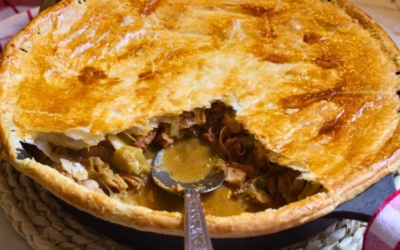
Spanish Chicken and Leek Pie With Serrano Ham
Spanish Chicken and Leek Pie With Serrano Ham A comforting chicken pie with a Spanish twist, this Spanish Chicken and Leek Pie With Serrano Ham is about to become a firm favorite this Fall. With golden, flaky puff pastry...

Top 10 Tapas Dishes – Winter
Top 10 Tapas Dishes to Cozy Up With This Winter There’s nothing better than a few warming tapas dishes to cozy up with this winter. Here are our favorite tasty Spanish tapas dishes to choose from, some of them regional specialties, others found across the country....
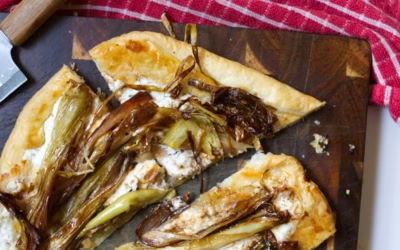
Caramelized Leek and Goat Cheese Tart
Caramelized Leek and Goat Cheese Tart If you love the combination of sweet caramelized vegetables, creamy cheese and crisp, buttery pastry, this Caramelized Leek and Goat Cheese Tart is one to add to your recipe collection. It...
0 Comments